About this landmark
Scenic Beauty of Mount Charleston in Nevada
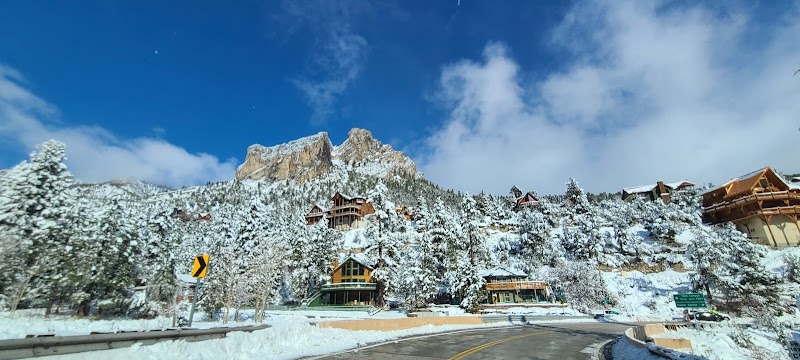
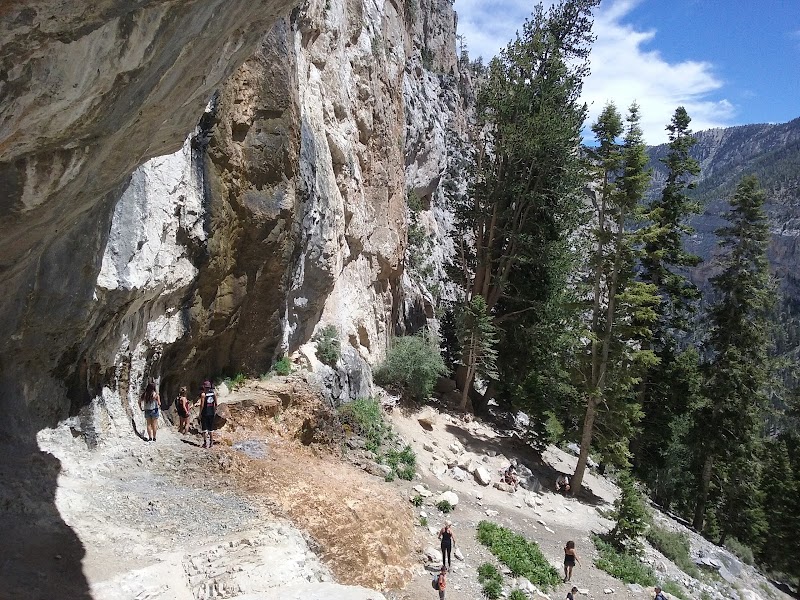
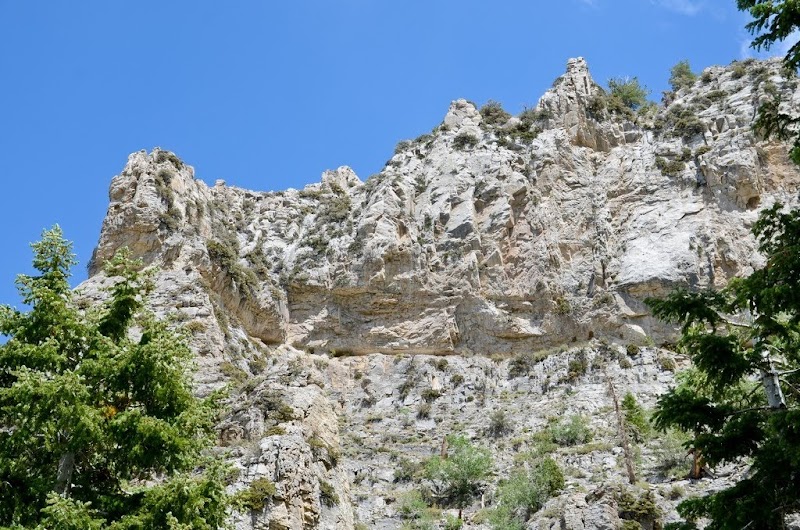
Mount Charleston rises prominently within the Spring Mountains, just a short drive from Las Vegas, Nevada. This cool, alpine refuge stands apart from the surrounding desert landscape, offering an impressive contrast to the Mojave's arid heat. At over 11,900 feet, it is the highest point in the region, boasting crisp air, pine forests, and rugged limestone cliffs that define its skyline. Visitors often remark on the refreshing change in climate and scenery, making it an ideal spot for a daytime escape or weekend retreat.
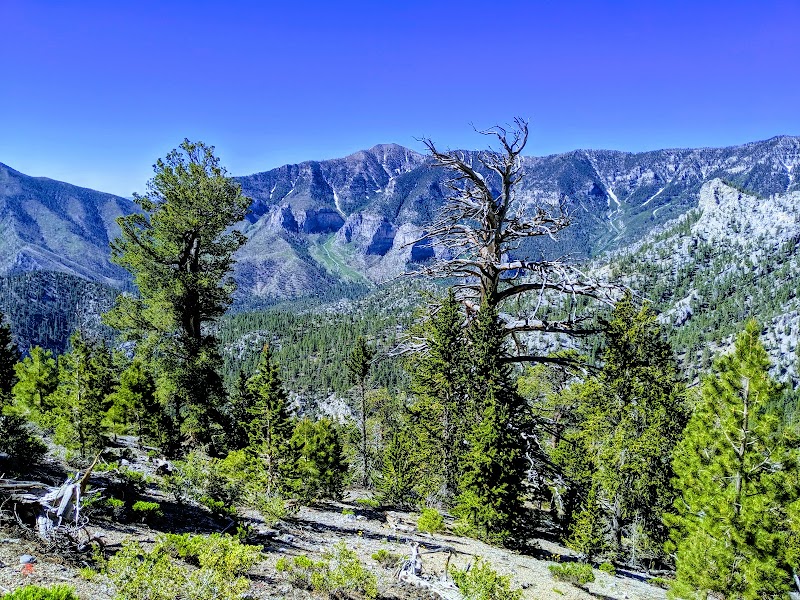
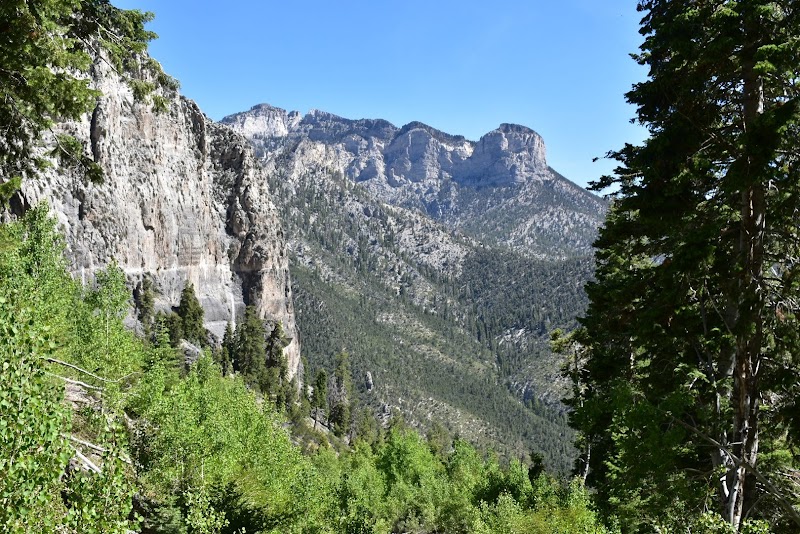
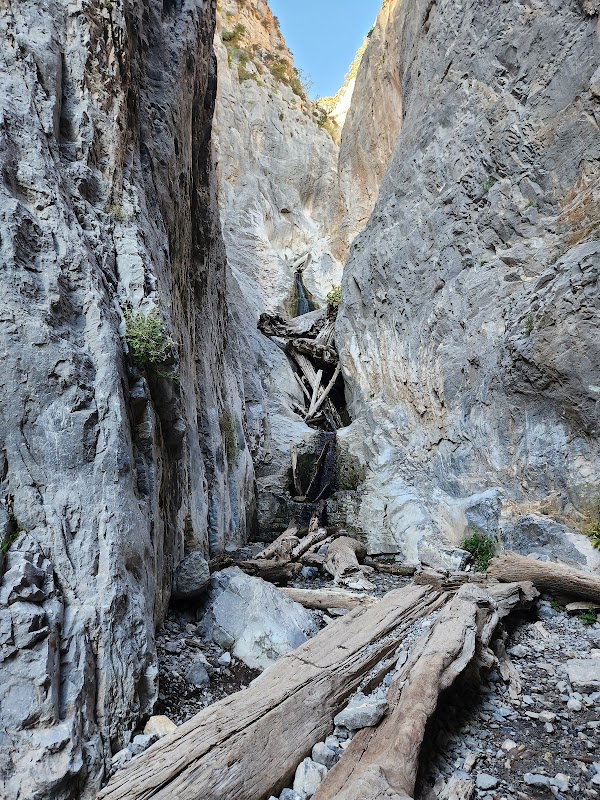
The area spans more than 50 miles of hiking trails that wind through varied terrain—from dense evergreen groves to open rocky ridges. Among the mountain’s outstanding features is Cathedral Rock, a collection of impressive limestone spires that overlook expansive views of the Las Vegas Valley. Another highlight is Mary Jane Falls, a seasonal waterfall attracting hikers eager to witness its cool cascade amid the dry surroundings. The bristlecone pines here are particularly fascinating; some individuals reaching over three millennia old add a striking natural history element.
Wildlife is abundant with sightings of mule deer, mountain bluebirds, and the rare Mount Charleston blue butterfly, which is native to this ecosystem. Historically, the area holds significance for local Native American communities and has long been cherished for its natural resources and spiritual value.
For those tired of desert heat or seeking a peaceful walk among towering pines, Mount Charleston delivers an unforgettable mountain atmosphere remarkably close to the bustling city. This outdoor landmark is celebrated for its scenic variety and accessible wilderness, making it one of Nevada’s premier natural destinations.
Adventure Guide to Mount Charleston
Hiking to Cathedral Rock
- Why It’s Special: Offers spectacular views of the Echo Cliffs and the Las Vegas Valley below.
- Features: Moderate difficulty; well-marked trail suitable for families; picnic spots available.
- Local Insights: The rock formations resemble a towering cathedral, inspiring the trail’s name.
- Visitor Tips: Best visited from late spring to early fall; bring plenty of water, sunscreen, and sturdy shoes.
Trekking to Mary Jane Falls
- Why It’s Special: Leads to a scenic waterfall, refreshing especially in warmer months.
- Features: Short, invigorating hike with opportunities for wildlife viewing; popular with photographers.
- Local Insights: Falls peak in late spring when snowmelt feeds the stream.
- Visitor Tips: Start early to avoid crowds; wear hiking boots due to moist, slippery rocks near the falls.
Bristlecone Pine Trail Experience
- Why It’s Special: A loop showcasing ancient bristlecone pines, some over 3,000 years old.
- Features: Higher elevation trail with panoramic views; well maintained with interpretive signs.
- Local Insights: The bristlecone pine is among the world’s oldest living organisms, adding a unique natural element.
- Visitor Tips: Best in summer and early fall; prepare for cooler temperatures and layered clothing.
Getting There
- About a 45-minute drive from downtown Las Vegas via NV-156 west.
- Roads are well maintained but may be snow-covered in winter; check conditions before traveling.
Additional Tips
- Bring insect repellent, sunscreen, and plenty of water year-round.
- Winter visitors should pack warm clothing and be cautious of icy trails.
- Carry a camera to capture extraordinary landscapes and wildlife encounters.
Mount Charleston is an outstanding outdoor option for hiking, wildlife viewing, and breathing fresh mountain air just outside Nevada’s entertainment capital.
Visitor Tips
- Best Times:Spring and Fall for favorable conditions and optimal lighting.
- What to Bring:Plenty of water, sun protection, a camera, and respectful Leave-No-Trace mindset.