
Explore Alaska’s untouched wilderness from the gentle currents of its quiet rivers. This guide offers practical advice for capturing stunning photos while floating through forest-lined banks and spotting elusive wildlife near Wrangell.
Pack Waterproof Camera Gear
Protect your equipment against river spray and unexpected splashes with waterproof cases or rain covers to ensure your gear stays dry throughout the float.
Wear Layered Clothing
Alaska’s weather can shift quickly; layers help manage temperature swings from cool mornings to warmer afternoons while keeping you dry in light rain.
Bring Bug Repellent
Mosquitoes and black flies are most active near dusk and dawn. Use effective repellents to stay comfortable and focused on your photography during these times.
Respect Wildlife Distance
Maintain a safe and legal distance from animals, especially bears and eagles, to avoid stress on wildlife and to keep yourself safe during your float.
Capturing Alaska’s Raw Beauty: Photographing Wilderness from Gentle River Floats

Scenic Wilderness Float
Enjoy a gorgeous tour along the natural boundary of Denali National Park
Discover the stunning beauty of Denali National Park on a private Scenic Wilderness Float. Gentle waters, breathtaking scenery, and wildlife encounters make this experience a must-do for outdoor enthusiasts visiting Alaska.
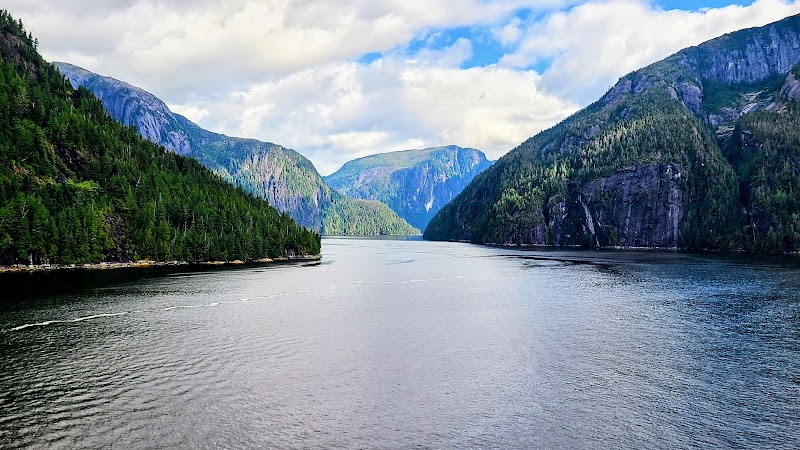
Drifting slowly down Alaska’s quiet rivers offers a unique vantage point to photograph vast wilderness without the strain of a long hike. These gentle river floats invite you to glide alongside towering spruce forests, watch eagles hover above, and capture reflections on the glassy water—all while letting the river gently guide your journey. The current pushes steadily, daring you to observe the wild on its terms, not yours.
Start your float near Wrangell, Alaska, where the Stikine and adjacent smaller rivers cut channels through dense woods and steep gravel banks. A typical float trip covers 8 to 15 miles, requiring no technical river skills but basic safety preparation. Expect calm water punctuated by occasional ripples where the river navigates around fallen logs or narrow bends, each shift a new photo angle waiting to be framed.
Your gear choice impacts the quality of shots: fast prime lenses for swift wildlife action, polarizing filters to tame surface glare, and waterproof cases to protect your equipment from mist and splash. Morning light offers soft contrast and mist rising from the water, while late afternoon casts long shadows, emphasizing the texture of ancient bark and rippling water.
Terrain along the shore is generally level, with occasional gravel bars and moss-covered logs perfect for quick stops and scenic breaks. Watch for bears fishing in pools—move quietly and keep a respectful distance. These moments demand patience and readiness but reward with some of the richest wildlife photography in Alaska.
Plan floats in mid-June through August for the best weather and longest daylight. Temperatures hover between 55°F and 70°F, but sudden rain and wind shifts remind you Alaska’s wilderness remains fiercely alive. Hydration and layered clothing are essential; expect bugs near dusk, so bring repellant.
Photography during these floats is about balancing immersion and preparedness. The river doesn’t rush you—it invites you to read its moods and adapt. Move with it, shoot with intention, and carry the experience beyond the frame. This adventure captures Alaska’s wilderness not as a backdrop but as an active companion, relentless in its wildness and beauty.
Nearby Trips
All Adventures
Boat Charters
Water Activities
Adventures near Wrangell
Discover the unique and memorable adventures that make Wrangell special.
Frequently Asked Questions
What river routes near Wrangell offer the best floats for photography?
The Stikine River and smaller tributaries like the Zimovia Strait provide calm waters and diverse landscapes. These routes combine accessible currents with excellent wildlife viewing and varied scenery perfect for both close-up shots and wide vistas.
Are river floats safe for solo adventurers?
Yes, as long as you have basic paddling skills, a reliable flotation device, and a communication plan. The rivers near Wrangell are generally calm but always prepare for sudden weather changes and wildlife encounters.
What wildlife is commonly visible during these river floats?
Expect to see bald eagles, otters, salmon (in season), and occasionally brown bears along the shorelines. Early morning and dusk increase your chances of wildlife activity.
How do I protect my camera gear from moisture and accidental drops?
Use waterproof housings or dry bags, apply lens hoods to minimize rain impact, and consider wrist or chest straps to secure your camera. Avoid handling equipment in turbulent areas where balance is uncertain.
When is the best time of day to photograph on these river floats?
Early mornings feature mist rising from the water, soft light, and quieter wildlife. Late afternoons bring angled sunlight that highlights textures and colors in the forest and river banks.
Are permits required for floating and photography in this region?
Most rivers near Wrangell do not require permits for non-motorized floats, but it's best to check with local land management agencies regarding protected areas or restrictions, especially near wildlife sensitive zones.
Recommended Gear
Waterproof Camera Bag
Keeps camera gear safe from splashes and unpredictable river mist during warm-weather floats.
Quick-Dry Layers
Provides warmth and moisture management for cool, damp early-season river trips.
Polarizing Filter
Reduces glare on water surface, enhancing color and contrast in landscape photographs.
Insect Repellent
Protects against mosquitoes and black flies common near riverbanks during warmer months.
Local Insights
Hidden Gems
- "Hidden gravel bars where river otters play"
- "Small marbled coves with calm waters reflecting old-growth spruce"
Wildlife
- "Brown bears fishing spawning salmon"
- "Bald eagles perched on high branches scanning the river"
- "River otters twisting in the current"
History
"Wrangell’s area has long been inhabited by the Tlingit people who relied on these rivers for salmon fishing and transportation. Understanding local cultural connections adds depth to your visit."