Navigating Seasons: Practical Tips for Off-Road Adventures in Pike National Forest
Pike National Forest offers a dynamic off-road experience shaped by Colorado’s shifting seasons. From slippery spring trails to snow-packed winter paths, understand how timing and preparation can unlock each adventure’s potential.
Monitor Trail Conditions Regularly
Check local ranger reports or online forums for current trail status before heading out, especially in spring and winter when weather impacts accessibility.
Pack Layered Clothing
Prepare for wide temperature ranges by dressing in layers that keep you warm at high elevations and cool during midday heats.
Hydrate Strategically
Carry ample water in summer and spring; sources may be scarce or contaminated from runoff. Use filtration systems if planning long expeditions.
Respect Wildlife and Habitat
Maintain distance from animals, especially during fall rutting season, and stick to designated trails to protect delicate ecosystems.
Navigating Seasons: Practical Tips for Off-Road Adventures in Pike National Forest

DEFENDER MAX XT (6 Seat)
Starting at $385 • 1-10 Day Rentals
Ready for an exciting off-road adventure in Moab? The Defender Max XT Jeep tour offers an adrenaline-filled day navigating Utah's rugged landscapes with your own private group. Discover stunning scenery and hidden gems while riding in comfort and style.
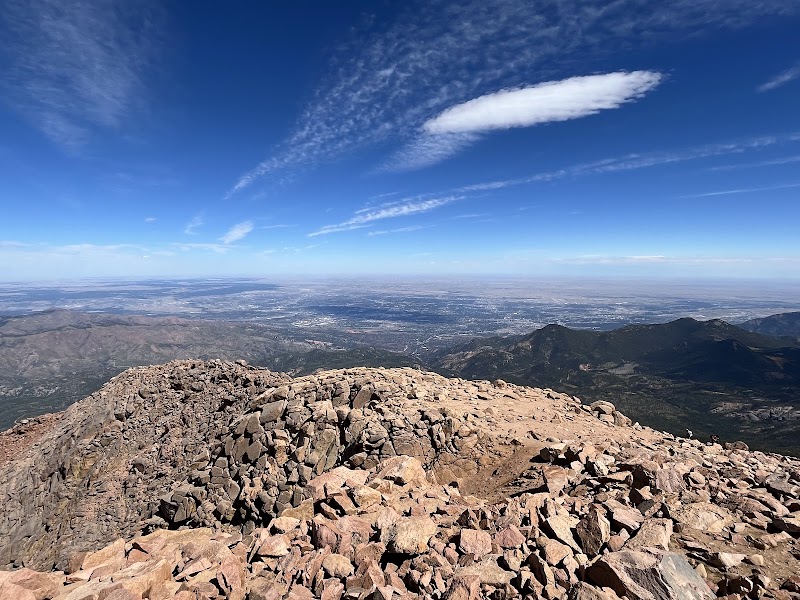
Pike National Forest in Colorado offers a playground for off-road enthusiasts throughout the year, but its character shifts dramatically with each season. Whether you pilot a rugged 4x4 or guide your dirt bike around sharp bends and forest tracks, understanding seasonal changes can shape your experience.
Spring stirs the forest awake. Meltwater streams swell, daring wheelers to test crossings they might avoid later in the year. Trails soften under the weight of rain, transforming dirt to slippery mud that demands respect and cautious throttle control. Elevations around 7,000 to 10,000 feet bring unpredictable weather—sunny mornings can flip to afternoon showers, so pack waterproof layers.
Summer delivers long, sunlit days and dry trails that beckon with steady grip and panoramic views. Vegetation thickens on the slopes, framing the paths with fir and ponderosa pines standing alert. Temperatures climb but cool effectively as you ascend, where the breeze converses through the branches. Nights drop notably, so prepare for swift temperature shifts. Hydration is critical; water sources run lower, making it essential to carry ample supplies.
Fall cloaks the forest in amber and crimson shades. Crisp mornings chill the air, while afternoons linger mild. The trails resist mud, typically offering firm ground perfect for high-clearance vehicles or bikes. However, fallen leaves can conceal rocks or dips—stay vigilant. Wildlife activity increases, with elk and deer moving toward mating grounds, inviting opportunities for safe wildlife watching.
Winter transforms Pike National Forest into a snowy challenge. Snowpack accumulates, often closing many off-road routes but opening paths for snowmobiles or fat-tire bikes. Subzero temperatures and icy patches test not only your vehicle but your layered gear and planning. Roads become bottlenecks for those unprepared; early season planning and checking trail status is crucial.
Elevation gains on these trails range from 500 to 2,000 feet over loops or linear routes spanning 5 to 25 miles. Terrain switches from forest floors cushioned in pine needles to rocky outcrops and creek beds that push gears and focus. Off-road adventurers should embrace the forest’s fierce independence, listening to trail warnings and environmental cues.
Preparation includes durable, broken-in boots for walking around obstacles, hydration packs to withstand dry spells, and layered clothing for swift weather shifts. Timing your adventure for mid-morning starts grants a full day of light and warmer temps, with afternoons reserved for caution against unexpected weather changes.
Pike National Forest doesn’t yield easily—it challenges with terrain and weather that refuse predictability. Yet it rewards those who approach prepared, ready to engage with the land's raw and restless pulse. Each season offers a distinct chapter in the story of your ride, inviting not just passage, but partnership with the wild.
Nearby Trips
All Adventures
Boat Charters
Water Activities
Adventures near Woodland Park
Discover the unique and memorable adventures that make Woodland Park special.
Frequently Asked Questions
When is the best time to attempt creek crossings?
Late summer, when snowmelt subsides and creeks drop to safer levels, is ideal. Spring crossings can be hazardous due to swollen streams and muddy banks.
Are permits required for off-road vehicles in Pike National Forest?
Yes, motorized vehicles generally require a Recreation Pass for parking and trail use. Check with the Pike National Forest office for current permit regulations.
What wildlife might I encounter on off-road trails?
Expect to see mule deer, elk, and occasionally black bears. Smaller mammals like marmots and a variety of birds are common. Maintain distance and avoid feeding wildlife.
Which off-road routes offer less traffic and solitude?
Trails away from the main highway corridors, such as those branching near Buffalo Creek or higher elevation loops, tend to be quieter and offer more solitude.
How are trail conditions communicated to the public?
The US Forest Service and local ranger stations provide updated trail conditions via their websites and phone lines. Social media groups and local off-road forums also share recent trip reports.
Are there any cultural or historical sites along these trails?
Yes, remnants of old mining operations and historic cabin sites scatter the forest, especially near Cripple Creek and adjacent areas. Visitors should respect these sites and avoid disturbance.
Recommended Gear
All-Terrain Footwear
Sturdy boots with good traction are essential for navigating rocky or muddy trail sections and protecting feet during spot checks off the vehicle.
Hydration Pack
In summer, temperature highs and dry trails require carrying at least 2 liters of water per person to stay properly hydrated.
Waterproof Jacket
Spring weather in Pike National Forest can flip quickly; a waterproof layer keeps you dry and warm during sudden rain or snow showers.
Portable Tire Repair Kit
Rugged trails increase the odds of flats or tire damage. A repair kit allows quick fixes to keep your ride moving without lengthy delays.
Local Insights
Hidden Gems
- "Black Mountain Fire Lookout - offers panoramic, less-visited views above treeline."
- "Devil's Head Trail - combination off-road and hiking area with scenic lookout."
Wildlife
- "Elk - especially active during fall rut season."
- "Mule deer - often spotted near dawn and dusk."
- "Various raptors - hawks and eagles ride thermal currents overhead."
History
"Pike National Forest bears traces of early 20th-century gold mining, with historic cabins and ghost towns hidden among its valleys. These relics tell of a time when fortune seekers battled wilderness."