
Seasonal Currents: Tracking Fish Behavior at William’s Fork Reservoir
William’s Fork Reservoir shifts through the seasons, scripting a dynamic story of fish behavior that challenges anglers and hikers alike. Understand how the changing water temperature and conditions affect trout activity to plan your visit for optimal fishing and exploration.
Time Your Visit Around Feeding Windows
Fish are most active during early mornings and late afternoons, especially in spring and fall when insect activity peaks.
Pack Layered Clothing
Temperatures can swing dramatically from warm midday sun to chilly winds; layers help regulate comfort throughout the day.
Use Weighted Flies or Lures in Summer
When fish move to deeper, cooler waters, weighted tactics help reach them effectively near underwater structure.
Check Ice Conditions Before Winter Trips
If ice fishing, verify ice thickness locally and bring safety gear to navigate or avoid unstable sections safely.
Seasonal Currents: Tracking Fish Behavior at William’s Fork Reservoir

Nick Hass - Grand Lake Open Water
Rate $500/up to 3 people-$600/4 people -All ages • Max 4 people • 4 hours • Private Charter
Discover the thrill of open water fishing at Grand Lake with a private guide from Fishing with Bernie. Perfect for all skill levels, this experience combines stunning mountain scenery with expert instruction and the chance to catch Colorado’s native fish. Read on to learn more about this incredible adventure.
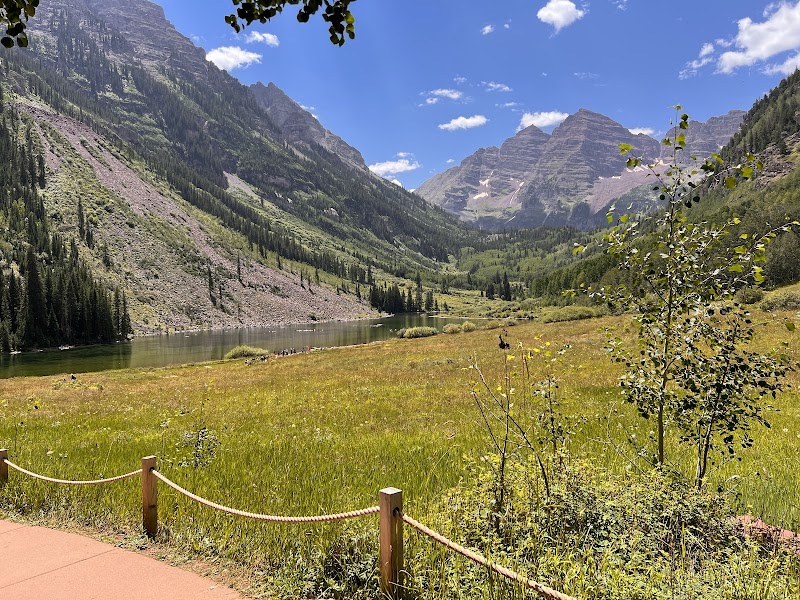
William’s Fork Reservoir shifts through the seasons like a living entity, its waters pulsing with changing rhythms that challenge and beckon anglers year-round. Located northwest of Winter Park, Colorado, this alpine reservoir sits at about 7,680 feet elevation, framed by pine- and fir-laced hillsides that sway with every breeze. The water’s mood changes from the sparkling clarity of summer to the icy stillness beneath snow-laden pines in winter. Each season crafts a new stage for fish—primarily rainbow, brown, and cutthroat trout—to adjust their movements and feeding patterns.
Come spring, as snowmelt feeds the reservoir, fish become more active, stirred by the fresh oxygen and cooling currents. Anglers find success near inflows and shallow bays, where trout chase emerging aquatic insects stirred by warming temperatures. Early morning or late afternoon are prime for topwater fishing, with hatches inviting dry fly tactics. However, brisk winds can whip the open water, demanding careful casting and preparation.
Summer’s heat presses fish into deeper pools and cooler, shaded sections. The reservoir’s depth provides refuge as trout seek stable temperatures near thermoclines, often 20-30 feet down. Use sinking lines and weighted nymphs to reach these depths, and focus on rocky drop-offs and submerged structure. Water clarity peaks, so stealth in approach is crucial. Plan hikes with hydration and sun protection in mind—footpaths here cover uneven terrain with some moderate elevation changes around 300 feet if accessing down from parking areas.
As fall arrives, cooler waters awaken fish from summer lethargy. Feeding intensifies to build reserves for winter dormancy, making mid-depth zones active throughout the day. Streamers and baitfish imitations excel as predators roam. The surrounding forest begins to turn, offering crisp air and golden light that enhances every cast. Seasonal crowds thin, presenting quiet time to read currents and adjust tactics.
Winter seals the reservoir beneath ice in some years, but when open water persists, fish slow dramatically. They cluster near underwater springs where temperatures remain stable. Ice fishing opportunities appear, though conditions require caution as ice thickness fluctuates. Lightweight, insulated gear and safety equipment become essential.
William’s Fork demands respect across seasons; its fish respond to shifting water temps, oxygen levels, and insect life with a dynamic patience. Anglers equipped to read these changes experience not just successful fishing, but a lesson in nature's pulse that runs relentlessly forward.
Practical preparations matter: carry layered clothing, check local weather and water conditions, and approach the water’s edge quietly. With strategic planning and awareness, every trip here becomes a rewarding encounter with a landscape fiercely itself.
Nearby Trips
All Adventures
Boat Charters
Water Activities
Adventures near Winter Park
Discover the unique and memorable adventures that make Winter Park special.
Frequently Asked Questions
When is the best time to fish at William’s Fork Reservoir?
Early mornings and late afternoons in spring and fall yield the best results. During summer, targeting deeper waters in cooler parts of the day improves success.
What types of fish can I expect to catch here?
The reservoir hosts primarily rainbow trout, brown trout, and cutthroat trout. Their behavior varies with seasonal water conditions.
Are there any restricted fishing regulations I should know?
Yes, Colorado Parks and Wildlife enforces fishing regulations here. Be sure to check current rules, including catch and release areas and seasonal limits before your trip.
What are some safety concerns for hikers and anglers at the reservoir?
Wind can quickly pick up, making casting and hiking tricky. Winter ice may be unstable, so verify conditions and carry safety gear if visiting in cold months.
Can I combine fishing with a hike around the reservoir?
Absolutely. Trails around the reservoir offer moderate terrain with forested paths and rewarding views. Plan for about 2-4 hours depending on your pace.
Are there any local insects or natural food sources affecting fish behavior?
Yes, aquatic insect hatches such as mayflies and caddisflies are strong drivers of fish feeding in spring and summer, influencing the best fly and lure choices.
Recommended Gear
Layered Clothing
Temperature fluctuations make layers key for comfort from the water’s edge to deeper woods.
Wading Boots with Good Traction
Essential for stable footing on slippery, uneven shorelines and stream edges.
Weighted Fly or Sinking Line
Helps reach deeper fish holding spots during warmer months.
Ice Safety Kit
Crucial for ice fishing and winter water activities to test ice thickness and enhance personal safety.
Local Insights
Hidden Gems
- "A quiet viewpoint overlooks a rocky point on the reservoir’s south side, perfect for sunrise photography with fewer visitors."
- "Hidden creek inlets on the eastern shore attract trout and offer secluded fishing spots."
Wildlife
- "Beaver activity near the inlet streams alters fish paths seasonally."
- "Keep an eye out for osprey diving for fish and occasional elk grazing near water edges."
History
"William’s Fork Reservoir was created in 1979 as a water storage project but has since become a popular recreation spot, balancing water management with outdoor enjoyment."