Confined water freediving training is shaped heavily by seasonal shifts in water temperature and clarity. Understanding these factors equips divers to fine-tune equipment, technique, and mindset for safer, more effective sessions year-round.
Adjust Wetsuit Thickness Seasonally
Choose a wetsuit suited for water temperature variations—thinner suits for summer warmth and thicker or drysuits for cooler months to maintain core temperature and comfort.
Schedule Training During Optimal Times
Train during early mornings or late afternoons in summer to avoid crowding and capitalize on clearer water conditions in outdoor quarries or pools.
Hydrate Consistently Before and After Sessions
Hydration supports lung capacity and recovery; dehydration can limit breath-hold ability and post-dive wellness.
Incorporate Mental Preparation Exercises
Use meditation and breathing techniques tailored to seasonally altered water conditions to improve relaxation and focus under variable training environments.
Seasonal Factors Shaping Confined Water Freediving Training

PADI Basic Freediver or SSI Freediving Basic Course
Ideal for those who are curious about freediving | $210
Discover the fundamentals of freediving with a private boat tour in Pacific Palisades, CA. This personalized experience combines skill development with breathtaking ocean views and marine encounters.
Freediving in confined water offers an unparalleled environment to master breath-hold techniques safely, but seasonality plays a decisive role in shaping this experience. Confined water pools and quarries respond distinctly across the year, influencing water temperature, visibility, and even mental readiness. Understanding these shifts helps divers optimize training and safety, turning each session into a focused adventure beneath the surface.
Spring ushers in gradually warming water, often increasing comfort but sometimes bringing unexpected temperature layers where cold pockets linger stubbornly. This temperature patchwork invites divers to adjust wetsuit thickness and prepare for subtle surprises, as cold can quickly sap muscle efficiency and reduce breath-hold duration. The water’s slow thaw also means diluted chemicals in pools and fluctuating clarity—expect visibility to vary, requiring sharper focus on equalization and relaxation when the water resists your rhythm.
Summer’s warmth welcomes freer movement and longer immersion, ideal for extending training times and refining deep dives. Yet, busy public pools can add distraction, requiring mental discipline amidst a lively atmosphere. Outdoor quarries command respect under summer skies as algae blooms and thermoclines develop, challenging visibility and buoyancy control. The sun’s heat tempts excitement but demands consistent hydration and strategic scheduling—early mornings often gift the clearest water and calmest conditions before afternoon heats stir the surface and visibility diminishes.
Autumn marks a transitional stage where water cools again, and clarity often improves, offering pristine conditions that sharpen visual feedback crucial for technique adjustments. The challenge grows in managing cooler air temperatures outside the pool, demanding efficient warm-up routines and quick post-dive recovery measures to prevent chills. This season encourages mental toughness; the environment pushes divers to rely on technique over comfort, strengthening breath-hold resilience.
Winter tightens the margins on freediving training. Water temperatures drop sharply, often necessitating thicker wetsuits or drysuits. Confined water settings become more insulated from natural currents but grow more unpredictable in controlling thermal equilibrium. Indoor pools maintain temperature but can feel stifling without proper ventilation. Training shifts focus from duration and depth to relaxation, breathing control, and static apnea refinements. Cold faucets on confidence but unlock opportunities to hone mental acuity, a key asset once divers venture beyond confined waters.
Across all seasons, understanding natural shifts—not fighting them—creates a partnership with the water. Approaching training as a dialogue with seasonal forces means adapting gear, pacing, and goals rather than imposing rigid routines. Freediving in confined waters requires respect for the water’s personality, whether spring’s cool surprise or summer’s vibrant warmth. Embrace seasonal rhythms, and your training gains both safety and depth beyond the physical plunge.
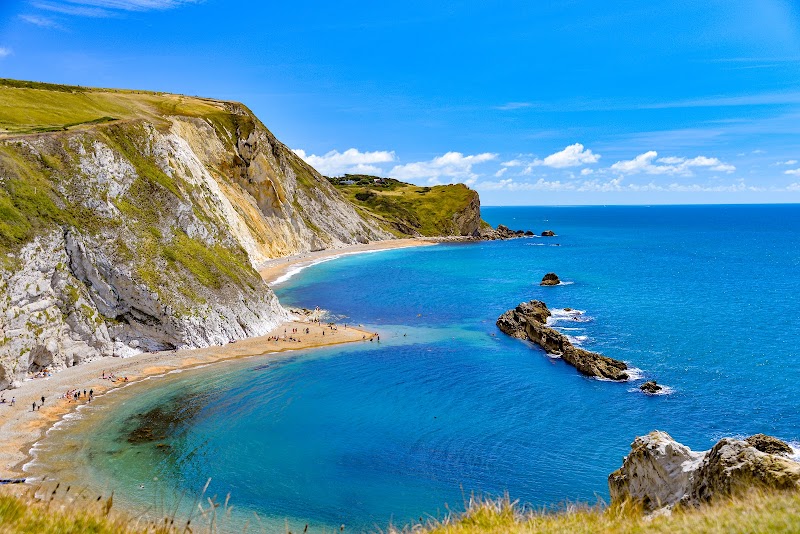
Nearby Trips
All Adventures
Boat Charters
Water Activities
Adventures near Weymouth
Discover the unique and memorable adventures that make Weymouth special.
Frequently Asked Questions
How do temperature changes affect breath-holding in confined water?
Colder water can constrict blood vessels and increase oxygen consumption, reducing breath-hold times. Warmer water allows muscles to function more efficiently but may induce distractions if the environment is busy.
What makes confined water training different across seasons?
Seasonal shifts affect water temperature, clarity, and swimmer density. Each factor changes the physical demands and mental focus required, necessitating adaptations in gear and training goals.
Is it safe to train in outdoor quarries during summer and autumn?
Yes, but divers must be aware of thermal layers, algae growth, and shifting visibility. Early or late in the day often offers calmer, clearer conditions.
What mental techniques can improve training under varying seasonal conditions?
Breathing meditation, visualization, and controlled relaxation are essential. These methods help compensate for discomfort caused by cold or crowded environments and enhance concentration.
Should wetsuit thickness always increase with colder seasons?
Generally yes, but drysuits can be an alternative for extreme cold, allowing greater mobility and warmth during winter training, especially in outdoor pools or quarries.
How often should training schedules adapt to seasonal conditions?
Ideally, divers reassess monthly to accommodate shifts in temperature and water quality, ensuring safety and optimal progress through seasons.
Recommended Gear
3mm to 7mm Wetsuit
Thickness depends on season; critical for maintaining body heat and comfort during training sessions.
Freediving Mask and Snorkel
High-quality, low-volume masks and streamlined snorkels reduce drag and improve underwater visibility.
Nose Clip
Helpful for apnea training to ease equalization and manipulation of breathing control.
Hydration Bottle
Remaining hydrated aids lung function and post-training recovery regardless of season.
Local Insights
Hidden Gems
- "A secluded indoor pool in Portland offers year-round stable conditions perfect for winter training."
Wildlife
- "During certain seasons, local otters and waterfowl frequent quarry edges, adding a dynamic wildlife element to surface sessions."
History
"Weymouth’s maritime tradition contributes to a community supporting water sports, with freediving courses often taught by seasoned local instructors familiar with seasonal rhythms."