Timing Strategies for Catching Yellowstone’s Thermal Displays at Their Peak
To catch Yellowstone’s thermal wonders at their prime, timing is crucial. Whether arriving before sunrise to admire steam rising against cold air or exploring colorful travertine terraces in the afternoon sun, this guide offers practical strategies to maximize your experience and beat the crowds.
Arrive Early for Best Viewing
Plan to reach thermal features 30-60 minutes before predicted geyser eruptions to secure a prime spot and avoid crowds.
Wear Sturdy Footwear
Boardwalks near hot springs can be slippery, especially after rain. Shoes with solid grip and water resistance are advisable.
Bring Layered Clothing
Temperatures vary widely throughout the day; layered clothing helps regulate comfort across chilly mornings and warmer afternoons.
Stay Hydrated and Mind Altitude
Yellowstone’s elevation can cause dehydration and fatigue faster than expected; carry water and pace yourself accordingly.
Timing Strategies for Catching Yellowstone’s Thermal Displays at Their Peak

Classic Yellowstone NP – Lower Loop Tour departs Jackson WY or West Yellowstone MT
Starting at $325.00 Picnic lunch
Experience the stunning beauty of Yellowstone National Park on a guided Lower Loop Tour starting from Jackson, Wyoming. Discover geysers, waterfalls, and wildlife in this all-in-one adventure designed for outdoor enthusiasts. Join Great Western Expeditions for an unforgettable day in America's first national park.
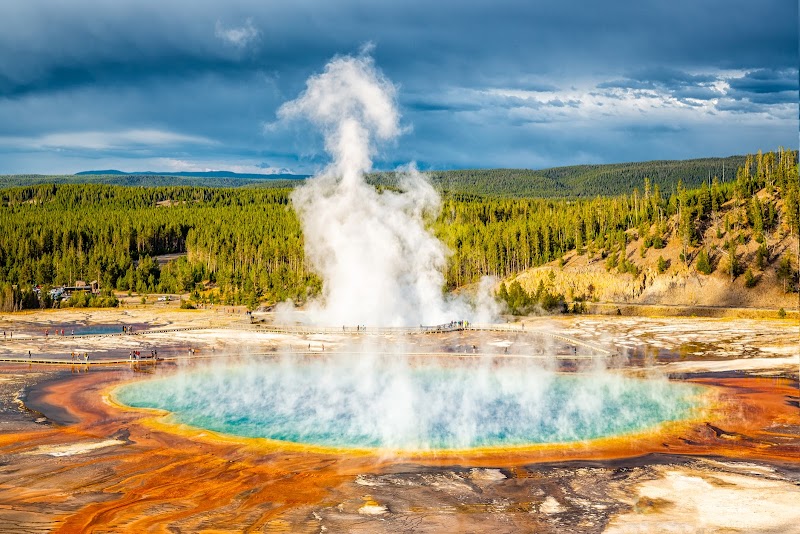
Yellowstone National Park’s thermal features are alive with movement and steam, each moment shaped by Earth's restless energy beneath your feet. To witness these geysers, hot springs, and mud pots at their most dynamic, timing is everything—a dance between natural rhythms and human planning.
Start early. Thermal displays often hit their peak in the cooler hours of morning, when steam rises with vivid clarity against crisp air. Some of Yellowstone’s most famous geysers, like Old Faithful and Steamboat Geyser, follow semi-predictable eruption intervals, but variation is part of their character. Aim to arrive at popular venting sites 30 to 60 minutes before predicted eruptions for the best vantage and least crowded conditions.
Afternoon hikes around thermal basins reveal a different face: as the sun climbs, colors saturate and mineral formations glow under direct light. At Mammoth Hot Springs, the walk along terraces covers approximately 1.5 miles with mild elevation change over wooden boardwalks that wind through calcium carbonate ridges. The terrain is easy but requires steady footing to avoid slippery areas, especially if recent precipitation left surfaces slick.
Seasonal shifts heavily influence the thermal show. In spring, snowmelt feeds underground channels, sometimes triggering stronger hydrothermal activity. Summer’s dry heat can thin steam plumes during midday, but cooler nights restore their ghostly presence. Fall carries sharp temperature swings that make early mornings particularly rewarding for steam watchers and photographers alike.
Practical prep matters. Footwear with solid grip and waterproofing will keep you steady on wet or uneven boardwalks. Hydrate before heading out; Yellowstone’s altitude—ranging around 7,700 feet near Old Faithful—can sneak up on even experienced hikers. Pack layers to handle temperature swings and protect skin from UV rays, intensified by elevation and reflective surfaces around hot springs.
Each thermal feature behaves fiercely itself: the earth beneath doesn’t bend to schedules but invites patience and respect. Listen to the subtle hiss of escaping gas, feel the warm, faint tremors through the boardwalks, and watch mineral-rich waters bubble in colors from cobalt blue to fiery orange hues. This is active geology, breathing heat and motion to those who stand still enough to notice.
If your schedule allows, extend your visit to less trafficked thermal zones such as Norris Geyser Basin. It’s slightly more rugged, with about 1.5 miles of forested and boardwalk trail and modest elevation gain that tests your legs and focus. Here, you’ll encounter vivid thermal formations simmering in quiet pockets, making timing your visit around early morning or late afternoon optimal for both fewer crowds and the best atmospheric conditions.
By syncing your arrival with Yellowstone’s natural pulse, you don’t just see thermal displays—you engage with the primal forces shaping this wild land. Bring your curiosity, patience, and a sense of adventure, and Yellowstone will reveal its boiling heart in moments that feel as rare as they are exhilarating.
Nearby Trips
All Adventures
Boat Charters
Water Activities
Adventures near West Yellowstone
Discover the unique and memorable adventures that make West Yellowstone special.
Frequently Asked Questions
When is the best time to see Old Faithful erupt?
Old Faithful erupts roughly every 90 minutes, but intervals can vary between 60 to 110 minutes. Arriving 30-60 minutes before the expected eruption increases your chances of a prime viewing spot with fewer crowds.
Are boardwalks around thermal features wheelchair accessible?
Many boardwalks in thermal areas such as Mammoth Hot Springs and Upper Geyser Basin are designed for accessibility, but some elevated or narrow sections may be challenging. Check with visitor centers for detailed accessibility info.
Is it safe to get close to hot springs and geysers?
Stay strictly on designated boardwalks and trails. Thermal features can be dangerously hot, and the ground around them may be thin or unstable.
Can I visit thermal areas year-round?
Yes, but access and experience vary. Winter requires snowshoes or cross-country skis and caution due to icy conditions. Most visitors find spring through fall the most practical times for hiking thermal zones.
Are there lesser-known thermal spots in Yellowstone worth exploring?
Norris Geyser Basin and Dragon's Mouth Spring are quieter, less crowded thermal zones that offer spectacular formations and eruptions with a bit more solitude and raw edge.
What wildlife might I see near Yellowstone’s thermal features?
Mule deer and bison are common near thermal basins, and birds like ravens often hover around warm grounds. Always observe wildlife from a safe distance and follow park guidelines.
Recommended Gear
Waterproof Hiking Shoes
Protect your feet from wet and slippery surfaces common near hot springs and mud pots.
Layered Clothing
Allows for temperature regulation throughout changing conditions during the day.
Water Bottle or Hydration Pack
Stay hydrated, especially at Yellowstone’s higher elevation where dehydration can occur quickly.
Sun Protection (Hat & Sunscreen)
The high elevation and reflective mineral surfaces increase UV exposure, requiring protection.
Local Insights
Hidden Gems
- "Dragon’s Mouth Spring, where steam roars from a cavernous vent"
- "Silent Fumaroles at Norris Geyser Basin, less crowded with rare geological features"
Wildlife
- "Bison that graze near thermal areas for warmth during colder months"
- "Ravens and sandhill cranes often circle above hot springs"
History
"Yellowstone’s thermal features have long held significance for indigenous tribes, with many sites seen as places of spiritual power and storytelling passed through generations."