Preparing for Yellowstone’s Lower Loop in Winter: Essential Tips for a Thrilling Cold-Weather Trek
Embark on Yellowstone’s Lower Loop in winter and discover a trail that challenges your readiness while rewarding you with unmatched quiet and icy beauty. Learn essential tips to prepare for snow, ice, and cold that transform this iconic route into a test of skill and stamina.
Choose Insulated, Waterproof Footwear
Durable boots with good insulation protect against moisture and cold; pair with traction devices like microspikes for stability on ice.
Hydrate Often, Use Insulated Bottles
Cold air suppresses thirst; use insulated containers to prevent water from freezing and remind yourself to drink regularly.
Start Early to Maximize Daylight
Winter days are short; beginning your hike at dawn ensures enough time to finish before darkness and reduces exposure to severe cold after sunset.
Carry Navigation Tools and Check Weather
Snow obscures trail markers; bring map, compass, or GPS and study weather forecasts to avoid sudden storms.
Preparing for Yellowstone’s Lower Loop in Winter: Essential Tips for a Thrilling Cold-Weather Trek

Yellowstone Lower Loop Tour
Discover the stunning landscapes and diverse wildlife of Yellowstone's lower loop with a private guided tour from Scenic Safaris Summer. Perfect for nature lovers and adventure seekers alike, this experience offers an unforgettable journey through one of America's most famous national parks.
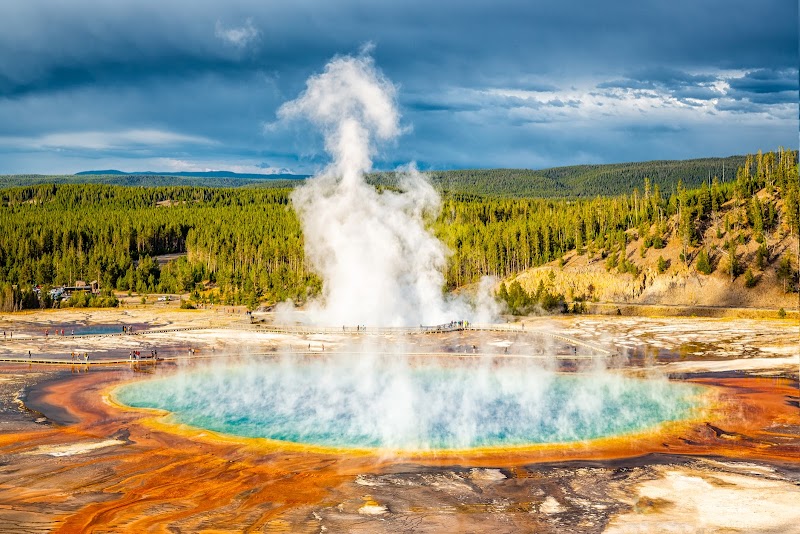
Yellowstone’s Lower Loop in winter transforms from a bustling summer destination to a stark, fiercely beautiful landscape where every step demands attention. Expect roughly 20 miles of trail weaving through frost-thickened forests and along rivers that dare you to keep pace beneath the heavy silence of snow. Starting near West Thumb and circling through Hayden Valley to the remains of Old Faithful, the trail dips and rises with modest elevation changes, typically around 300-600 feet total gain, but those figures belie the challenge posed by icy terrain and deep snowdrifts.
The terrain is a mix of packed snow, frozen mud, and occasional ice patches. Trees stand bare, their skeletal branches scraping the cold air as wind pushes through, while the Yellowstone River, thick with ice, snakes stubbornly below. Wildlife has scarce but vivid presence: bison shaking snow from their coats near mud pots, coyotes lingering on ridge lines, and the rare tracks of elk imprinted sharply into the snow. Each moment offers a raw dialogue between hiker and wilderness, where the landscape asserts its will—relentless, indifferent, and absolutely alive.
Preparation is not just recommended; it’s critical. Footwear should be sturdy insulated boots paired with microspikes or crampons to grip the ice. Layering is your shield—start with moisture-wicking base layers, add fleece or wool mid-layers, and top with a waterproof, windproof jacket that breathes. Hydration wins in cold, too; your body burns extra calories staying warm, and cold air can mask thirst. Carry insulated containers to keep water from freezing.
Timing is key. Days are short, with daylight often under eight hours. Start early to avoid losing daylight in dense forest stretches. Use trekking poles to maintain balance on uneven, slippery ground and carry a map or GPS—winter trails can blur beneath snowdrifts, confusing even experienced eyes.
Finally, respect winter’s authority. Conditions change fast: sudden snow squalls or biting winds can slow progress. Always inform someone of your itinerary. Take frequent breaks, not just to rest but to reassess your gear, your path, and your energy levels. In this landscape, the adventure comes from adapting to the environment’s mood rather than demanding ease or control.
For those ready to meet Yellowstone’s Lower Loop on winter’s terms, the payoff is profound: quiet, space, and a raw edge of wilderness that summer crowds obscure. This trek leaves you rooted in the moment—alert, prepared, and deeply engaged with one of America’s most iconic parks, fiercely itself in every frozen detail.
Nearby Trips
All Adventures
Boat Charters
Water Activities
Adventures near West Yellowstone
Discover the unique and memorable adventures that make West Yellowstone special.
Frequently Asked Questions
Is the Lower Loop trail accessible year-round in Yellowstone?
The Lower Loop trail is technically accessible in winter, but conditions vary greatly. Snowpack can be deep and icy, and many parts are unofficially maintained, so winter hikers must be prepared for backcountry challenges.
What wildlife might I encounter on the Lower Loop during winter?
Expect to see bison near thermal areas, elk and mule deer leaving sharp tracks in the snow, and possibly coyotes or wolves moving silently across open meadows. Many animals are less visible but their signs tell a story.
How should I prepare for changing weather during a winter hike here?
Pack layers to adjust to temperature swings and carry a weatherproof outer shell. Monitor forecasts closely and be ready to turn back if conditions worsen—winter storms can arrive suddenly and drastically alter trail safety.
Are guided hikes or snowmobile tours available for the Lower Loop in winter?
Yes, several guides offer snowshoe or cross-country ski tours once the snow is stable. Snowmobile tours are restricted in some areas for conservation reasons, so check current park regulations.
What are some lesser-known viewpoints along the Lower Loop in winter?
Look for vantage points near the Pelican Creek wetlands and the less-visited natural bridge offering sweeping views of icy river bends. These spots are quieter in winter and perfect for solitude and photography.
How do I avoid hypothermia during this winter trek?
Layer clothing properly and avoid sweating by pacing yourself. Stay hydrated and fueled with snacks, take breaks in sheltered spots, and watch for early signs of hypothermia such as shivering, confusion, or sluggishness.
Recommended Gear
Insulated Waterproof Hiking Boots
Keeps feet warm and dry in snow and slush; essential for protection against cold and wet conditions.
Microspikes or Crampons
Provides necessary traction on icy and packed snow surfaces, reducing slip risk.
Layered Clothing System
Allows adjustment to changing conditions; base layers wick moisture, mid-layers insulate, and shells block wind and snow.
Insulated Water Bottle
Prevents fluids from freezing, encouraging consistent hydration in cold, dry air.
Local Insights
Hidden Gems
- "The Natural Bridge area, offering quiet views of iced-over river arches."
- "Quiet forest openings near Grayling Creek with unexpected wildlife sightings."
Wildlife
- "Bison often tunnel through snowdrifts around thermal vents."
- "Elk herds' winter migration pathways cross parts of this loop in the early season."
History
"The Lower Loop passes near historic thermal features that attracted early explorers, including trails first traversed by park guides in the late 19th century, echoing stories of early conservation efforts."