Navigating Safety in Mountain Flight Tours Over West Yellowstone, Montana
Experience the thrill and breathtaking views of mountain flight tours over West Yellowstone, Montana, while prioritizing safety amid the rugged wilderness. This guide equips adventurers with practical tips to navigate weather, terrain, and altitude, ensuring your airborne journey is as secure as it is spectacular.
Monitor Weather Closely
Mountain weather changes in a heartbeat; confirm the latest conditions before booking and again on the day of your flight to avoid hazardous winds or visibility issues.
Dress in Layers
Temperatures fall with altitude; layering clothing lets you adjust for warmth and comfort during takeoff, flight, and landing.
Stay Hydrated
Altitude dehydrates faster—drink plenty of water before and after your flight to maintain focus and reduce fatigue.
Listen to Your Pilot
Communication is vital; follow all instructions carefully and ask questions about emergency procedures to stay informed and calm.
Navigating Safety in Mountain Flight Tours Over West Yellowstone, Montana

45 Minute Tour Rugged Mountain Tour
Age 18+ to book • Private Tour • Up to 3 People
Discover the rugged beauty of Montana on a guided 45-minute mountain tour in West Yellowstone. Perfect for adventure seekers, this experience offers stunning scenery and wildlife spotting in a short, thrilling ride.
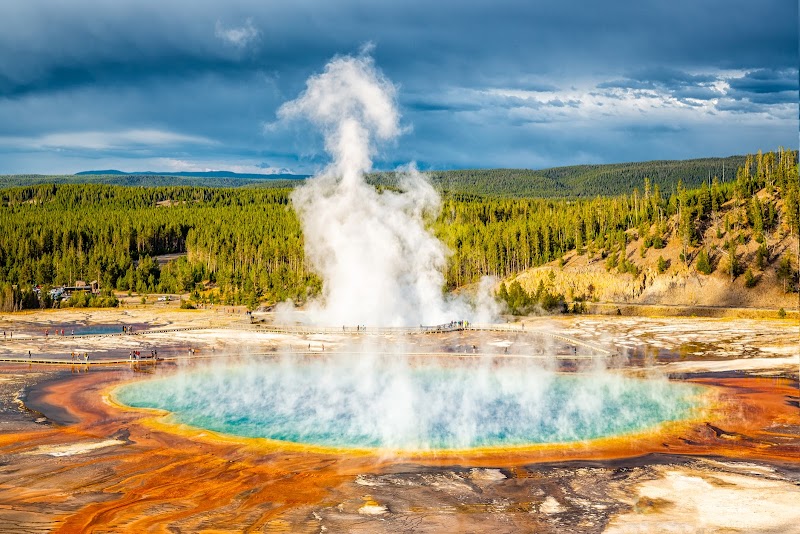
High above the rugged terrain bordering Yellowstone National Park, mountain flight tours offer unmatched panoramas and an adrenaline rush framed by Montana's wild spirit. Yet these journeys through air demand more than just a sense of wonder—they require a solid grasp of safety and preparedness to embrace the raw mountain air with confidence.
West Yellowstone’s mountain flight tours sweep across restless rivers and jagged peaks, where swirling currents of wind dare pilots and passengers alike to respect their fierce unpredictability. Before boarding, understanding weather patterns is key; sudden gusts or cloud layers can shift rapidly, altering the flight dynamic. Checking local forecasts, pilots’ certifications, and aircraft maintenance records forms the baseline of a secure adventure.
The terrain below is often a patchwork of dense forests clawing skyward and open high meadows that stretch like breath-holding vistas. Spotting landmarks from the air benefits from clear visibility, so tour operators prioritize departures in morning or early afternoon hours when atmospheric conditions tend to settle. Midday heat-ups can stir thermal currents that push against the stability of small aircraft, making timing an essential part of flight planning.
For passengers, layering clothing shields against shifting mountain air temperatures and the chill that accompanies altitude gain. Proper footwear isn’t just for on the ground; steady boarding and exiting require gripping soles that handle uneven airstrip surfaces. Hydration plays a quiet but pivotal role; altitude can intensify dehydration, so starting well-hydrated helps maintain focus and comfort.
Trust your guide—these pilots are skilled negotiators of both machine and mountain. Communication before, during, and after the flight ensures that if turbulence rocks the cabin or a sudden turn challenges balance, everyone understands the protocol. Bring a basic knowledge of emergency procedures, but rest assured the crew is prepared for emergencies.
Mountain flight tours expose travelers to nature’s raw force experienced through eyes wide open at angles few can access other than by air. Every gust acted like the breath of the mountains themselves, every passing cloud a guardian moving across the sky. But with nature’s grandeur comes respect—rigorous safety checks, attentive guides, and thoughtful personal preparation transform thrill into a sustainable adventure.
Whether you’re a first-time flyer or a seasoned adventurer, these tours in West Yellowstone promise a kinetic interplay between human ingenuity and wild landscapes. Prepare, stay alert, and let the mountain winds carry you without losing touch with the careful, steady hand safety demands.
Nearby Trips
All Adventures
Boat Charters
Water Activities
Adventures near West Yellowstone
Discover the unique and memorable adventures that make West Yellowstone special.
Frequently Asked Questions
What should I expect in terms of turbulence during a mountain flight tour?
Turbulence can be common due to mountain air currents and thermals, especially in afternoon flights. Pilots are trained to manage this safely, and briefings will prepare you for the sensation so it doesn't catch you off guard.
Are there any altitude restrictions on these flights?
Most tours fly between 3,000 and 7,000 feet above ground level to balance safety and sightseeing. Passengers should be aware mild altitude effects may be felt but severe issues are rare at these heights.
How do pilots navigate sudden weather changes over the mountains?
Pilots use real-time weather reports, local knowledge, and aircraft instruments to adjust routes or delay flights. Safety protocols dictate that flights may be shortened or canceled if conditions become unsafe.
Is it safe to bring children on a mountain flight tour?
Most operators have age and weight restrictions for safety. Children should be able to follow safety instructions and be accompanied by attentive adults familiar with handling altitude and motion sensitivity.
Can I take photos during the flight?
Yes, photography is encouraged, but securing cameras and avoiding sudden movements is crucial for safety. Window seats offer the best views for capturing wildlife, rivers, and mountain ridges.
Are there any local wildlife I might spot from the air?
Yes, you might see bison herds grazing, elk moving through meadows, or even the occasional wolf pack. Eagles and hawks often soar nearby, adding to the dynamic landscape below.
Recommended Gear
Layered Clothing
Adjustable warmth that lets you manage rapidly changing temperatures at altitude.
Sturdy Footwear
Non-slip shoes help maintain safe footing on uneven airstrip surfaces during boarding.
Sunglasses
Protect your eyes from glare when the sun bounces off mountain ridges and snow.
Rehydration Pack
Keeps you hydrated and combats altitude-induced dehydration effectively.
Local Insights
Hidden Gems
- "Point of Rocks: a lesser-known cliff line visible from the north that showcases layered geology and open vistas."
- "Gibbon River bends: serpentine curves that reflect sunlight dramatically on calm days."
Wildlife
- "Bison herds congregating near the lower Yellowstone River"
- "Elk and mule deer moving through dense pine patches"
- "Golden eagles circling thermals"
History
"West Yellowstone grew as a gateway for early 20th-century park tourism and aviation advances. Some mountain airstrips remain operational since the early days of bush flying in the region."