Mastering Yellowstone’s Seasonal Weather For Peak Photography
Yellowstone’s weather shapes your photographic adventure, offering different moods and challenges with each season. Knowing when and how to visit maximizes your chances of capturing the park’s iconic geothermal features, wildlife, and sweeping landscapes in their best light.
Dress in Layers and Waterproof Gear
Yellowstone’s weather oscillates dramatically, even within a single day. Layering clothing and waterproof footwear will keep you comfortable and dry while hiking varied terrain.
Start Early for Best Lighting
Mornings deliver soft, golden light ideal for capturing geysers and wildlife before winds pick up and crowds form.
Carry Ample Hydration
Summer heat and elevation require at least two liters of water per hike; cold months demand hydration despite cooler temperatures.
Check Weather and Park Alerts Daily
Rapid weather changes can close roads or trails. Stay updated via park websites to adapt plans safely.
Mastering Yellowstone’s Seasonal Weather For Peak Photography

Yellowstone Photography Tour (Summer) - Private Tour
6 - 11 hours • All ages • Maximum per vehicle: 6-8 guests • Season: Apr - Oct
Capture Yellowstone’s wildlife and landscapes on a private summer photography tour with expert guidance for stunning images and unforgettable moments.
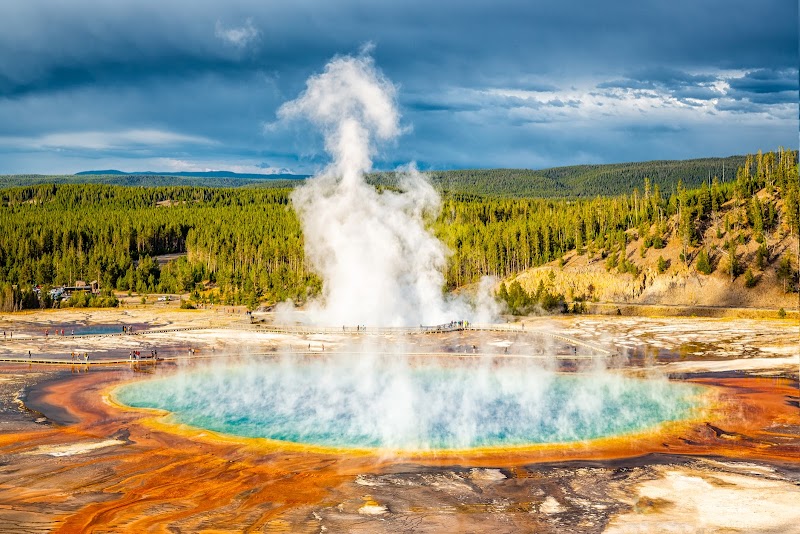
Yellowstone National Park is a living mosaic of raw energy, drawing photographers who chase the perfect light through ever-changing seasons. Navigating its seasonal weather isn’t just a matter of comfort—it’s essential for capturing the park’s vivid contrasts, from steaming geysers to snow-dusted pines.
Spring brings a persistent chill that dances through lingering snowfields and thawing rivers daring you to step carefully. Trails like the Mystic Falls Loop hike 3.5 miles with a gentle 500-foot elevation gain, winding through budding forests and rushing streams. Early mornings deliver soft light ideal for capturing the park’s awakening wildlife: bison calves stumble through thawing meadows, and bald eagles soar above swollen rivers. Dress in layers; waterproof footwear is crucial as mud and moisture cling to trails.
Summer flings you into the heart of high contrast scenes—vivid wildflowers blaze against volcanic rock. But shifting afternoon thunderstorms can push hikers to scramble for shelter. Popular spots such as Yellowstone Lake offer 13 miles of shoreline photography, where golden hour reflections stretch across glassy waters. Hydration and sun protection become critical; bring at least two liters of water and a broad-brimmed hat. Light rains and occasional wind gusts remind you that summer here plays by its own rules.
Autumn’s crisp air sharpens visibility and alters the park’s palette. With fewer crowds, the 5-mile hike to Mount Washburn peaks rewards with panoramic views where aspens and lodgepoles commit a fiery farewell. Early snow can dust upper elevations, turning the terrain firm beneath your boots. Layering is your ally; morning fog clings stubbornly in valleys, dissipating by midday for clearer shots. Wildlife is busy storing energy; elk bugle from hidden groves as the sun dips earlier, offering long, soft shadows perfect for silhouette photography.
Winter drapes Yellowstone in quiet white. Access narrows to snowmobiles and skis as roads close, transforming the landscape into a photographer’s isolated sanctuary. The steep Lamar Valley trail covers about 4 miles on packed snow, with minimal elevation gain but demands winter gear. Frozen geysers steam fiercely, the cold air exaggerating contrasts. Short days require planning for limited light, but dawn’s blue hour coupled with crisp air yield stark, compelling images. Pack insulated boots, traction devices, and hand warmers; nature here is fiercely itself, not to be underestimated.
Each season in Yellowstone directs photographers to adapt, respect the environment, and anticipate sudden shifts in weather. Planning your visit to match your photo goals—whether wildlife action, dramatic landscapes, or thermal phenomena—ensures you encounter the park at its most generous and dynamic. Gear up smartly, watch the skies, and move with the terrain’s rhythm to capture nature in moments that demand presence and patience.
Nearby Trips
All Adventures
Boat Charters
Water Activities
Adventures near West Yellowstone
Discover the unique and memorable adventures that make West Yellowstone special.
Frequently Asked Questions
When is the best time of day for photography in Yellowstone?
Early mornings and late afternoons provide softer light and less harsh shadows, ideal for photographing geysers and wildlife. Midday light tends to be flat and less flattering.
How unpredictable is Yellowstone’s weather?
Very. You can experience sun, rain, wind, and snow all in one day, especially in shoulder seasons. Being prepared with layers and waterproof gear is essential.
Are there any off-the-beaten-path photography spots?
Yes, look beyond the main geyser basins to areas like the Lamar Valley for wildlife or the less visited Blacktail Plateau for panoramic vistas away from crowds.
What wildlife should photographers be cautious around?
Bison and elk can be unpredictable and aggressive if approached too closely. Maintain safe distances and respect their space, especially during calving or rutting seasons.
Is photography allowed near thermal features?
Yes, but stay on designated boardwalks to protect fragile ground and avoid injury from scalding waters and unstable crust.
How does altitude affect photography outings?
Higher elevations mean thinner air, which can tire hikers more quickly. Plan accordingly with shorter hikes and frequent breaks.
Recommended Gear
Waterproof Hiking Boots
Protects feet from wet and muddy conditions common in spring and early summer.
Layered Clothing
Adjusts to uncertain weather swings, maintaining comfort across cold mornings and warm afternoons.
Hydration System
Prevents dehydration and supports endurance during hot weather hikes.
Traction Devices (Microspikes/Crampons)
Necessary for navigating icy patches and snow-covered trails safely.
Local Insights
Hidden Gems
- "Blacktail Plateau Overlook – offers sweeping views of Lamar Valley away from the crowds"
- "Observer Point – a less visited spot overlooking Lower Geyser Basin"
Wildlife
- "Bison – a constant presence, showing seasonal behaviors"
- "Elk – especially vocal in fall during rutting season"
- "Wolves and coyotes – elusive, with early mornings the best chance for sightings"
History
"Yellowstone, designated the first national park in 1872, holds deep Native American historical significance as a hunting ground and spiritual territory, adding depth to its natural wonders."