Mastering Winter Wildlife Photography in Greater Yellowstone
Greater Yellowstone in winter offers a rare chance to witness and photograph wildlife thriving against snowy backdrops. From elk feeding in frosted valleys to wolves moving silently through the forest, this guide equips you with practical tips to navigate and capture this uncompromising landscape.
Bring Microspikes for Traction
Icy and compact snow surfaces are common on trails; microspikes ensure steady footing and reduce slip risk.
Maintain Distance from Wildlife
Always use telephoto lenses and respect buffer zones to avoid disturbing animals, especially during winter when energy conservation is critical.
Layer Strategically
Use moisture-wicking base layers, insulated mid-layers, and waterproof outer shells to adapt to rapidly changing temperatures and activity levels.
Start Early, Photograph Late
Plan to hike and shoot at dawn and dusk when wildlife is active and light creates dramatic contrasts.
Mastering Winter Wildlife Photography in Greater Yellowstone

3 Day Winter Wolves & Wildlife Private Safari
3 Days • All ages • Maximum per vehicle: 6 guests • Season: Dec - Apr
Journey into Wyoming’s winter wilderness on a three-day wildlife safari hosted by Jackson Hole Wildlife Safaris. Witness wolves in their natural habitat, snap stunning photos, and learn about the ecosystem from expert guides—an adventure perfect for nature lovers and photography enthusiasts alike.
Winter in Greater Yellowstone stretches a crisp invitation to photographers eager to capture nature in its raw, unguarded moments. The snow crunches underfoot while the pine trees stand silent witnesses, their boughs heavy with fresh white powder. Wildlife—elk, wolves, bison, and bald eagles—navigate this fierce environment daily, offering deliberate moments for the lens.
Plan your adventure between late December and March, when wildlife is most visible against frosted landscapes. The terrain ranges from flat valley floors to moderate uphill forest trails; expect an elevation gain around 800 feet on main photographic routes, like those near the Lamar Valley and Hayden Valley—each walkable within 4 to 6 miles round trip.
As you move through Yellowstone’s winter wilderness, the air sharp and cold, pay attention to lighting. Early morning and late afternoon produce soft, low-angle sun ideal for crisp, dimensional images. Midday can flatten shadows but still offers chances to catch wildlife activity near feeding zones and water bodies.
Hydrate often; cold weather masks thirst but your body works hard. Use waterproof, insulated boots and layered clothing systems to manage Montana’s unpredictable chill. Terrain can shift from compact snow to icy patches, so microspikes or crampons are recommended for safe footing.
Respect the environment and its inhabitants. Animals rely on stealth and survival instincts during winter. Keep your distance, use telephoto lenses, and minimize noise or movement. Waiting patiently near established trails increases the chance of photographing animals engaging in natural behaviors, like wolves hunting or elk resting under sheltering trees.
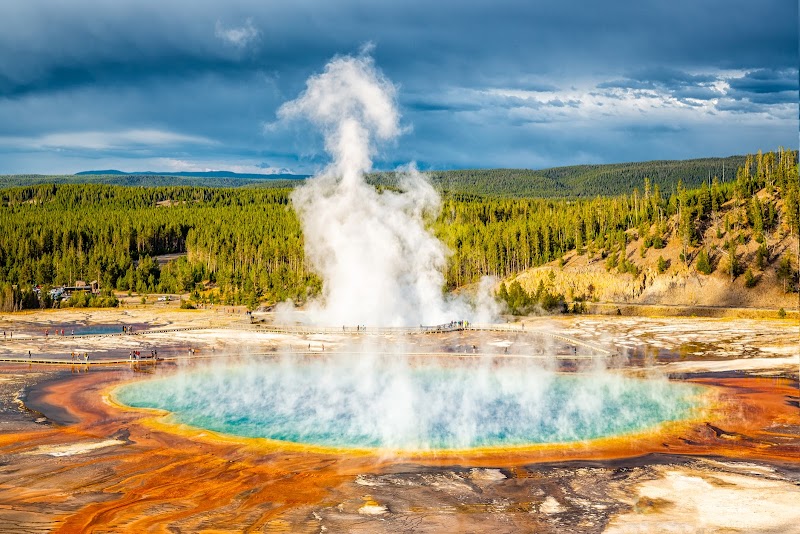
Capture the landscape too: frozen rivers daring you to step closer, steam rising from hot springs, and snow-dusted mountain ridges pushing the skyline. Your images should reflect not only wildlife but the elemental forces that shape this place in winter—alive, relentless, and unyielding.
Bring extra batteries; cold drains power faster. A sturdy tripod stabilizes long exposures given low light. And remember, safety is key—inform someone of your itinerary and check weather and park alerts before heading out.
Greater Yellowstone in winter demands respect and preparation but rewards photographers with powerful encounters and unforgettable scenes, fiercely alive under ice and snow.
Nearby Trips
All Adventures
Boat Charters
Water Activities
Adventures near West Yellowstone
Discover the unique and memorable adventures that make West Yellowstone special.
Frequently Asked Questions
When is the best time to see wolves in Greater Yellowstone during winter?
Early mornings and late afternoons offer the best opportunities as wolves are more active hunting or moving through the valleys at these times.
How close can I safely get to wildlife for photography?
Maintain a minimum distance of 100 yards from large mammals like bison and elk, and at least 300 yards from bears and wolves. Use a telephoto lens to capture detailed shots without causing stress to animals.
Are there any permits required for winter photography?
No special permits are needed for photography in Yellowstone National Park, but all visitors must follow park regulations, especially related to wildlife interaction and staying on designated trails.
What should I do if weather conditions suddenly worsen?
Winter weather can change rapidly. Always carry a map, extra layers, a charged phone, and inform someone of your route before heading out. Seek shelter or return to base if visibility decreases or storms develop.
Can I use drones for wildlife photography in Yellowstone?
No, drones are prohibited anywhere in Yellowstone National Park to protect wildlife and maintain visitor safety.
Which areas in Greater Yellowstone offer the best winter photographic landscapes?
Lamar Valley and Hayden Valley provide expansive views and abundant wildlife opportunities. Near the Firehole River, steaming hot springs contrast dramatically with snowy surrounds, creating unique compositions.
Recommended Gear
Insulated Waterproof Boots
Protect feet from cold and moisture while providing stability on snow and ice.
Microspikes or Crampons
These attachments prevent slipping on icy trail sections.
Telephoto Zoom Lens (200-400mm)
Allows you to photograph wildlife safely from a distance without disturbing them.
Thermal Gloves
Keep hands warm while maintaining dexterity for camera controls.
Local Insights
Hidden Gems
- "Lost Creek Falls overlook offers quiet vantage points less frequented in winter."
- "Pelican Creek, a lesser-known spot downstream from Yellowstone Lake, freezes slowly and attracts eagles."
Wildlife
- "Watch for the rare gray wolves trotting through open snowfields, subtle dark shapes against white expanses."
- "Winter bison often gather near geothermal features, making them easier to spot."
History
"Greater Yellowstone is the oldest national park ecosystem, established in 1872, with winter trails once used by Indigenous peoples and early trappers, connecting today’s visitors to centuries of human interaction with this landscape."