Mastering Winter Roads For Your Greater Yellowstone Adventure
Winter roadways in the Greater Yellowstone area present challenges that reward those prepared to engage them. This guide equips you with essential tips and insights to safely navigate icy passages, ensuring your winter Yellowstone adventure unfolds smoothly amid stunning snowy landscapes.
Check Daily Road Conditions
Monitor official park updates before traveling, as closures and restrictions can shift rapidly with weather changes.
Equip Your Vehicle for Snow
Use studded tires or chains and carry emergency supplies, including blankets and a shovel, to prepare for unexpected delays or stuck vehicles.
Travel During Daylight
Maximize visibility and reduce risks by planning your drives between sunrise and sunset when road conditions are easier to assess.
Dress in Moisture-Wicking Layers
Layering helps regulate body temperature during hikes or roadside stops; include a waterproof outer shell to handle snow or wind.
Mastering Winter Roads For Your Greater Yellowstone Adventure

3 Day Winter Wolves & Wildlife Private Safari
3 Days • All ages • Maximum per vehicle: 6-8 guests • Season: Dec - Apr
Journey into Wyoming’s winter wilderness on a three-day wildlife safari hosted by Jackson Hole Wildlife Safaris. Witness wolves in their natural habitat, snap stunning photos, and learn about the ecosystem from expert guides—an adventure perfect for nature lovers and photography enthusiasts alike.
Navigating winter road conditions in the Greater Yellowstone area demands respect and preparation. The region’s fierce winter transforms roads into reactive pathways where ice patches and deep snowbanks challenge even the most experienced drivers. Knowing when and how to journey here is as crucial as the adventure itself to ensure a safe and exhilarating trip.
The winter stretch from late November through early March sees many roads either closed or limited. Main routes like the John D. Rockefeller Jr. Memorial Parkway remain accessible but require traction devices or four-wheel drive. Secondary roads often retreat beneath snow packed tight by persistent cold, daring you to engage with your vehicle's limits and your skills.
Planning starts with understanding road classifications and closures. The Yellowstone National Park website updates daily road status reports—bookmark this information. For example, the West Entrance Road typically closes mid-November; however, access to Mammoth Hot Springs remains year-round via the North Entrance Road, a lifeline for winter excursions. Allow extra travel time, as reduced speeds and cautious navigation through icy stretches slow progress.
Vehicle readiness is non-negotiable: studded snow tires or chains improve grip where the road surface is unpredictable. A set of emergency supplies—blankets, shovel, ice scraper, and extra food and water—should join your gear, providing a safety buffer. Staying hydrated is equally vital; cold air often tricks the body into underestimating water needs, but even in freezing elements your body demands consistent fluid intake.
Timing your trip during daylight hours maximizes safety and visibility. The sun’s low January arc highlights frost-lined trees and snow-capped volcanic peaks, granting sweeping views through frosty windows. Roads bordered by dense lodgepole pines, their branches heavy with snow, appear as silent sentinels guiding your passage. When daylight thins, roads transform into shadowed stretches where vigilance sharpens into a sensory rhythm—listening for crunching tires, watching for shifting patches of black ice.
For hikers and adventurers launching from winter-accessible trailheads, anticipate compact snow and occasional icy patches, especially beyond lower elevations (ranging from 7,000 to 8,500 feet). Elevation gains often involve traversing sheltered forests before breaking into open bowls of wind-sculpted snow. Dressing in moisture-wicking layers with waterproof outerwear balances warmth with breathability.
Be ready to adjust plans. Winter in Yellowstone commands flexibility. Weather shifts swiftly; a clear morning may yield afternoon snow squalls. Always carry a map and GPS device, as cellular service is limited within park boundaries.
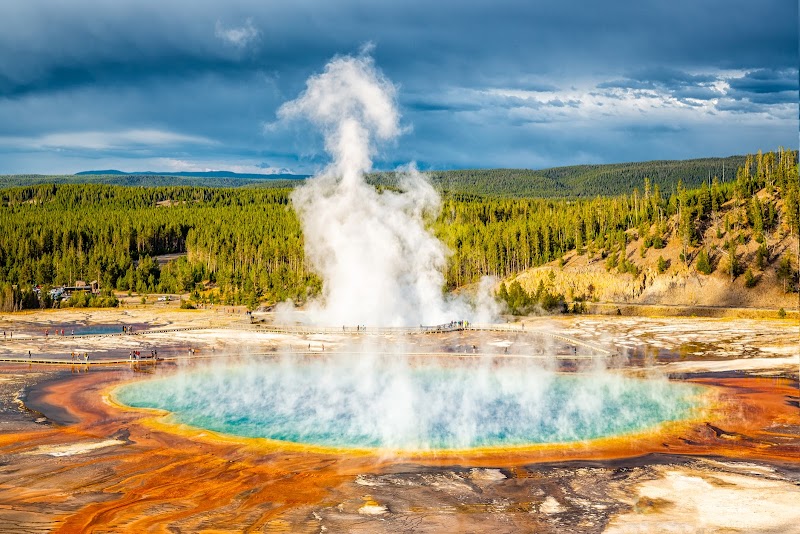
With the right approach, winter roads lead to distinct experiences—quiet geyser basins steaming through ice, frozen rivers daring you closer, and vast white fields punctuated by elk and bison tracks. This winter landscape is fiercely itself: stark, stunning, and uncompromising. Preparation turns potential hazards into part of the adventure, opening the door for a memorable, practical journey into Yellowstone’s winter heart.
Nearby Trips
All Adventures
Boat Charters
Water Activities
Adventures near West Yellowstone
Discover the unique and memorable adventures that make West Yellowstone special.
Frequently Asked Questions
Are all Yellowstone park roads open during the winter?
No, many roads close in winter due to hazardous conditions. The North Entrance near Gardiner usually remains open year-round, while others, like the West Entrance and certain interior roads, close mid-November until spring. Check official updates before your trip.
What are the most common hazards when driving in Yellowstone winter?
Icy patches, snow drifts, and limited visibility during snowstorms are the top hazards. Wildlife crossing roads increases risk, and steep inclines can challenge traction. Lowering speed and using appropriate tires mitigates these dangers.
Is it possible to access popular winter hiking trails by car?
Access varies; some trailheads near the North and Northeast entrances stay accessible, but secondary roads leading to more remote trails may be closed or need snowmobiles for further travel.
How much extra time should I allow for winter road travel?
Allow at least 50% more time than summer travel estimates. Snow and ice force slower speeds and cautious maneuvering, especially on winding mountain roads.
What wildlife can I expect to see along winter roads?
Elk, bison, and wolves are often visible near roads during winter, especially near thermal areas and lower elevation valleys. Early mornings and dusk offer higher chances of sightings.
What local services are available if I encounter vehicle trouble in winter?
West Yellowstone and Gardiner provide towing and repair services, but assistance times can be delayed due to weather. Carrying an emergency kit and informing others of your route is advised.
Recommended Gear
Studded Snow Tires / Tire Chains
Improves vehicle traction on icy and packed snow roads, crucial for safe travel in Yellowstone winters.
Layered Clothing with Waterproof Shell
Maintains body warmth and dryness; layers adapt to changing exertion and conditions.
Portable GPS Device
Helps navigate areas with poor cellular signal and reduces risk caused by whiteout conditions.
Emergency Kit (Blankets, Food, Shovel, Ice Scraper)
Provides safety and sustenance if stranded or delayed on remote winter roads.
Local Insights
Hidden Gems
- "Ledge Creek Falls viewpoint - serene and less crowded with icy intricate formations"
- "Slough Creek area - offers wildlife watching off the beaten path"
Wildlife
- "Elk herds frequent thermal basins in winter, visible from roads"
- "Gray wolves roam expansively but are often shy; listen for distant howls"
History
"The North Entrance road follows historic routes once used by trappers and early park rangers, offering glimpses into Yellowstone’s winter preservation legacy."