Gear Up Smart: Seasonal Biking Essentials for Yellowstone’s Thermal Trails
Biking Yellowstone’s thermal areas is a thrilling challenge shaped by ever-changing terrain and invisible geothermal power beneath. Discover how the right seasonal gear can help you navigate these unique trails safely and comfortably, turning a ride into a vivid encounter with nature’s restless force.
Hydrate Proactively
Thermal zones radiate heat—carry insulated hydration supplies and sip regularly to avoid dehydration, especially in summer.
Choose Puncture-Resistant Tires
Rocky and mineral-rich soils can puncture tires easily; opt for durable tires to avoid unexpected trail stops.
Monitor Weather Closely
Thermal trail conditions shift with seasons and weather—check forecasts and park alerts to avoid unstable or closed paths.
Time Your Ride Right
Start early in warm months to avoid midday heat and enjoy peak geothermal activity visibility in cooler air.
Gear Up Smart: Seasonal Biking Essentials for Yellowstone’s Thermal Trails

Bike & Hike to Osprey Falls - Guided E Bike Tour
4 - 5 Hours
Discover the stunning Osprey Falls with a guided e-bike and hiking experience in Gardiner, Wyoming. Perfect for outdoor lovers seeking scenic adventure with easy riding and memorable views.
Yellowstone National Park’s thermal areas offer a unique biking experience where steamy vents hiss alongside mineral-rich paths. Navigating these routes requires more than just enthusiasm—knowing the right seasonal gear can mean the difference between an invigorating ride and an uncomfortable or unsafe outing. From spring’s thaw-softened grounds to the crisp chill of fall, each season demands considered preparation.
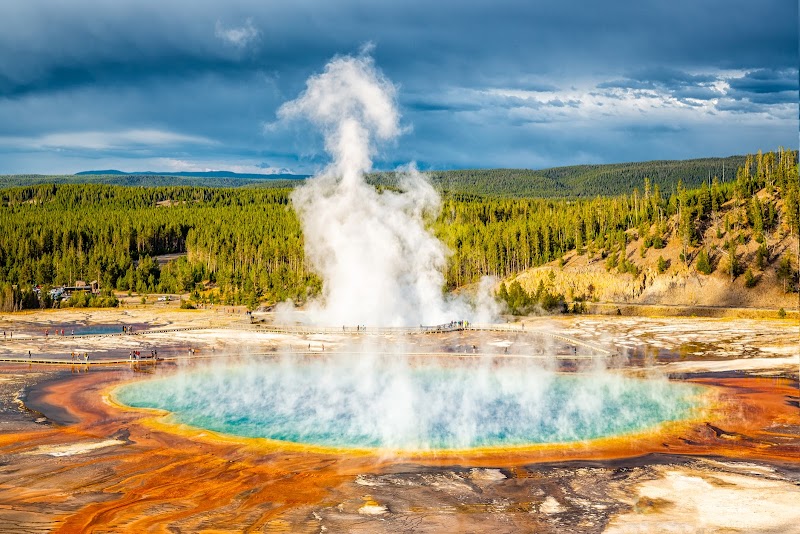
The primary routes near the thermal basins, such as the boardwalk-adjacent trails near Norris Geyser Basin, span roughly 6-10 miles with elevation gains around 300-600 feet, winding through patches of lodgepole pine forest and open geothermal fields. Terrain can shift abruptly—from hardened mud to rocky patches—prompting riders to balance caution with pace. The steam vents almost whisper their ancient secrets but don’t lose focus; the landscape here is fiercely itself.
Spring rides mean damp trails and unpredictable weather. Your tires must grip wet soil, and layered clothing is essential. Summer calls for early starts before the sun spikes and dries the ground; breathable gear and plentiful water are critical, as thermal areas radiate more heat than the shaded forest sections. Fall delivers vivid foliage and cooler air, but frost can sneak in at dawn, making metal parts chill and brakes sluggish.
Hydration packs with insulated reservoirs and puncture-resistant tires stand out as core essentials. Footwear that balances support with breathability keeps your feet ready for the full ride, while gloves protect against temperature shifts and errant shrub scratches. Don’t ignore helmet-mounted lights or reflective gear if you plan extended rides or early mornings—the thermal zones can fast descend into shadow.
Timing your outing around geothermal activity offers sensory rewards—bubbling mud pots that bubble defiantly, steam columns that billow like restless giants. These forces shape the ecosystem’s character and command respect. To blend practicality with appreciation, pack a compact repair kit, and map your route with park regulations and seasonal restrictions in mind. Park rangers often post updates about trail closures, especially where thermal ground may be unstable.
Ultimately, biking Yellowstone’s thermal trails is an engagement with a landscape profoundly dynamic and alive. Preparation meets adventure here—it’s a ride that’s less about conquering and more about coexisting with a fiercely natural, mystifying environment.
Nearby Trips
All Adventures
Boat Charters
Water Activities
Adventures near West Yellowstone
Discover the unique and memorable adventures that make West Yellowstone special.
Frequently Asked Questions
Are bikes allowed on all thermal area trails in Yellowstone?
No, bicycles are restricted from boardwalks and designated protected thermal features for safety and preservation. Stick to approved trails adjacent to thermal zones where biking is permitted.
What precautions should I take near geothermal features while biking?
Stay on marked trails and maintain distance from fragile thermal ground, as crusts can be thin and unstable. Avoid sudden stops near steam vents and exercise caution in areas with reduced visibility from vapor.
How can I avoid overheating when biking near thermal zones?
Start early to beat peak heat; wear breathable clothing and carry insulated water. Note that ambient temperatures near vents are often several degrees warmer.
What wildlife might I encounter on thermal biking routes?
Expect to see bison grazing near open thermal areas, wary elk in forest margins, and occasionally curious birds drawn to warm microclimates created by geothermal activity.
Is bike maintenance different due to the unique terrain?
Yes. Tires need extra durability; brakes may require more frequent adjustments because mineral dust can accumulate. Carry a compact repair kit tailored for punctures and minor mechanical issues.
When is the best season to bike Yellowstone’s thermal trails?
Late spring through early fall offers the most accessible and pleasant conditions, with early summer and fall providing fewer crowds and cooler temperatures ideal for biking.
Recommended Gear
Insulated Hydration Pack
Keeps water cool in warm temperatures, supporting proper hydration when geothermal heat adds to exertion.
Puncture-Resistant Tires
Protects against sharp mineral deposits and rocky patches common around thermal terrain.
Layered, Moisture-Wicking Clothing
Adjusts to fluctuating temperatures and moisture near steam vents and shaded forest sections.
Helmet-Mounted Light and Reflective Gear
Enhances visibility during dawn or dusk rides when shadows lengthen quickly near thermal features.
Local Insights
Hidden Gems
- "Black Sand Basin Overlook – a quieter spot to watch geothermal pools bubble with Prismatic-like color under less foot traffic"
- "Gibbon River Section – offers a striking contrast of cold water running adjacent to steaming ground"
Wildlife
- "American bison – often seen near thermal areas where warmer ground supports winter forage"
- "Red fox – occasionally spotted darting through nearby lodgepole pine"
- "Trumpeter swans – found in wetlands influenced by thermal waterways"
History
"Yellowstone’s thermal areas have long fascinated indigenous peoples, early explorers, and scientists; many trails follow paths originally used by Native American tribes who respected these fiercely natural sites."