Essential Gear and Clothing for Yellowstone Wildlife Safaris
Yellowstone National Park offers unmatched wildlife viewing amid vast landscapes that test your limits and reward you with awe. This guide breaks down the essential gear and clothing to keep you comfortable, safe, and ready for the unpredictable wilderness on your next safari.
Choose Layered Clothing
Temperatures in Yellowstone can swing dramatically within hours—layering allows you to stay comfortable from frosty dawns to warm afternoons.
Bring Trail-Ready Footwear
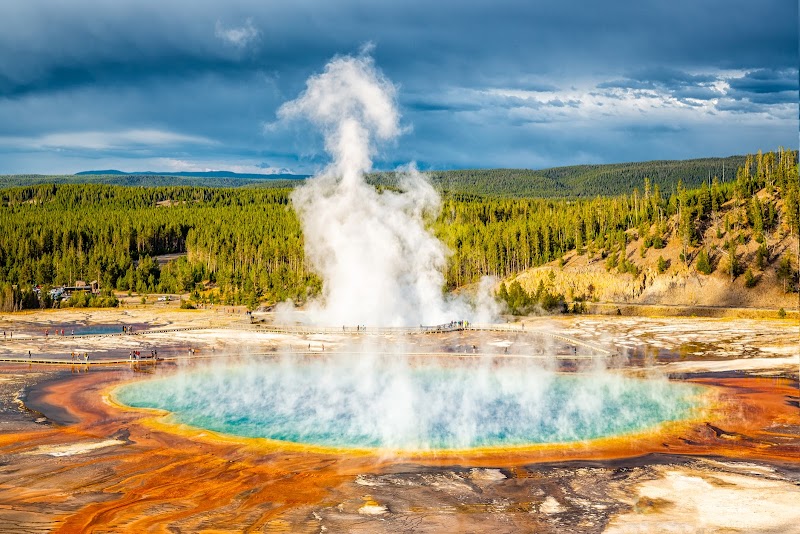
Supportive hiking boots with traction are vital for navigating uneven terrain and slippery surfaces near water or geothermal features.
Carry Plenty of Water
Even moderate hikes can dehydrate you—use hydration packs or bottles and avoid drinking directly from streams without treatment.
Plan Safari Times Wisely
Wildlife is most active during early mornings and late afternoons; scheduling your outings around these windows increases sightings and photo opportunities.
Essential Gear and Clothing for Yellowstone Wildlife Safaris

Yellowstone Wildlife Safari - Public Tour
6-11 hours • Ages 8+ • Maximum per vehicle: 6-8 guests • Season: Apr - Oct
Join the Yellowstone Wildlife Safari in Cody for an up-close look at Yellowstone’s iconic animals in their natural habitat. Led by expert naturalists, this tour offers a rich mix of scenery and wildlife encounters that will leave you inspired and informed. Discover why this guided experience is a top choice for wildlife enthusiasts and outdoor lovers alike.
Embarking on a Yellowstone wildlife safari means stepping into a land where nature moves on its own terms—bison amble across open meadows, wolves glance from shadowed groves, and rivers insist you respect their pace. To meet these wild forces head-on, the right gear and clothing are non-negotiable. Preparation here blends practicality with an eye for comfort and safety, making your adventure both enjoyable and responsible.
Yellowstone’s terrain challenges and charms in equal measure. Safari routes vary from flat boardwalks around geothermal basins to uneven trails through forest and foothills that can rise 1,000 feet or more over several miles. Expect distances between 3 to 8 miles on average with terrain shifting from soft soil to gravel and occasional rocky patches. Trail surfaces demand sturdy footwear with reliable grip—a hiking boot with good ankle support is your safest bet.
Layering is the keystone of dressing for Yellowstone’s variable weather. Mornings start crisp, sometimes dipping near freezing even in summer, while midday sun pushes temperatures comfortably into the 70s or 80s Fahrenheit. A moisture-wicking base layer paired with an insulating mid-layer and a waterproof, breathable shell will prepare you for sudden rain or chilly gusts. Gloves, beanie, and sunhat cover the bases for extremes.
Binoculars, camera, and a field guide to local flora and fauna elevate the safari experience, but remember: keep your distance from wildlife and respect park rules. A durable daypack with hydration reservoirs or bottles ensures you stay energized and alert. Water sources may be plentiful but not always safe to drink untreated.
Timing your safari requires attention to animal patterns and light conditions. Early mornings and late afternoons offer your best chances to spot elusive animals and capture crisp, shadow-rich photos. The park’s vast open spaces let you breathe deeply of pine and sagebrush, while waiting quietly near rivers that challenge banks with relentless currents.
Plan for limited cell service and prepare for unpredictable weather by packing essentials like a compact first aid kit, rain cover, and sun protection. The environment here is fiercely itself—respectful awareness paired with preparedness goes a long way.
With the right gear and clothing, Yellowstone transforms from a wild risk to a frontier of discovery, where every step brings you closer to the untamed life calling this ancient land home.
Nearby Trips
All Adventures
Boat Charters
Water Activities
Adventures near West Yellowstone
Discover the unique and memorable adventures that make West Yellowstone special.
Frequently Asked Questions
How close can I get to wildlife during a Yellowstone safari?
The park mandates a minimum of 100 yards between visitors and bears or wolves, and 25 yards for other wildlife such as bison and elk. Maintaining this distance ensures safety for both humans and animals.
What types of terrain are typical on Yellowstone wildlife safaris?
Terrain varies from flat, level boardwalks near geyser basins to uneven dirt and rocky trails that may climb 1,000 feet in elevation. Expect natural obstacles like roots, mud, and occasional steep patches.
Are there guided safari options available?
Yes, the park and several private operators offer guided wildlife tours on foot, by vehicle, or even on horseback, providing expert knowledge and enhanced safety.
What wildlife is most visible during safaris?
Bison, elk, and mule deer are commonly spotted, especially in early morning and late afternoon. More elusive are wolves, bears, and mountain lions, which require patience and good timing.
Is it necessary to bring bear spray?
Yes, bear spray is strongly recommended and often required on backcountry routes. Familiarize yourself with its use before your trip.
Can I use my phone for navigation and communication?
Cell service is limited and unreliable inside the park. Bring a physical map and compass or GPS device, and inform others of your plans before heading out.
Recommended Gear
Waterproof Hiking Boots
Protects feet from rocky, wet, and uneven terrain often encountered during safaris.
Layered Clothing System
Allows adjustment for Yellowstone’s broad temperature swings—from temperature-controlled base layers to insulated jackets.
Binoculars
Enhances wildlife viewing from a safe distance without disturbing animals.
Hydration Pack or Water Bottles
Keeps you hydrated throughout the day, crucial for maintaining energy in dry conditions.
Local Insights
Hidden Gems
- "Blacktail Plateau Overlook - a prime spot for bison and wolf activity with panoramic views"
- "Trout Lake Trail - a quieter alternative trail with rich birdlife and fishing opportunities"
Wildlife
- "Bison herds dominate open meadows, their slow movements a study in quiet power"
- "The elusive gray wolf, heard more often than seen, patrols forest edges at dawn and dusk"
History
"Yellowstone preserves not only wildlife but also Native American heritage sites and the legacy of early conservation pioneers like Yellowstone’s first superintendent, Philetus Norris."