
The Okefenokee Swamp's riverbanks offer an enchanting stage for photographers eager to capture dramatic sunsets and the flurry of bats that awaken under twilight skies. This guide pairs practical advice with immersive strategies to help travelers and photographers plan a rewarding riverside adventure.
Arrive Early to Scout Vantage Points
Reach the riverbank at least one hour before sunset to find clear views and set your equipment up without haste.
Bring a Sturdy Tripod
Long exposures and low light conditions require a tripod for sharp, blur-free photography.
Use Quiet and Observe Bat Flight Patterns
Avoid flash and sudden movements. Watch bat activity to anticipate their flight paths for better shots.
Wear Waterproof Footwear
Swamp humidity and occasional wet terrain mean water-resistant shoes help maintain comfort and grip.
Mastering Riverside Photography: Capturing Bats and Sunsets in the Okefenokee Swamp
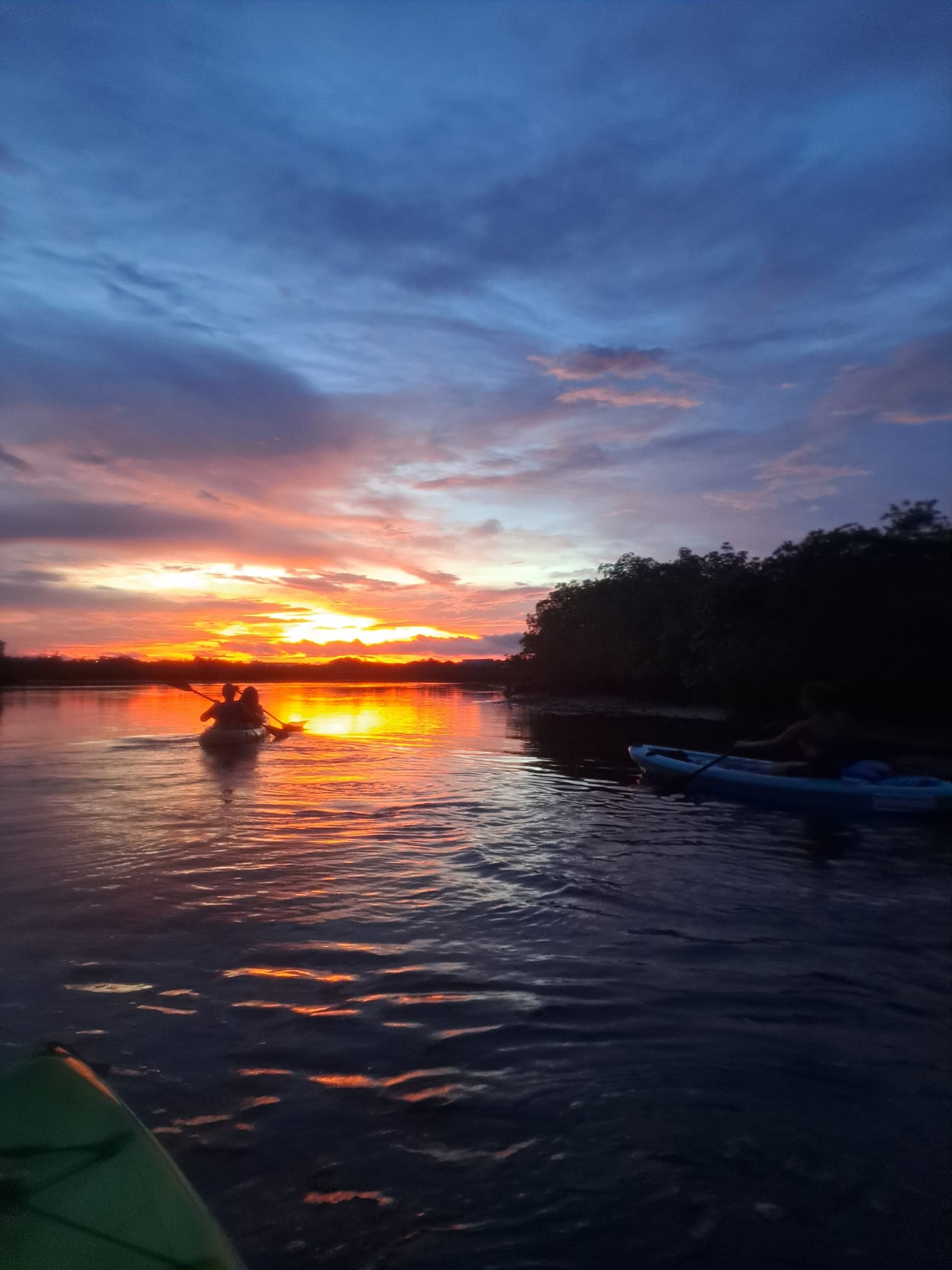
Sunset Tour
$44 to $49 Per Person • All Ages • 2 Hours • Single and Tandem Kayaks
Get ready to witness Florida’s wildlife come alive at sunset on a kayak tour in Tarpon Springs. Paddle through calm waters, watch hundreds of bats emerge at dusk, and enjoy stunning views as the day winds down. An adventure perfect for all skill levels seeking a peaceful, nature-filled evening.
The Okefenokee Swamp stretches wide and wild, its rivers winding like veins daring you to follow. As daylight wanes, the riverbank transforms—the sun slipping low, painting the sky in strokes of orange and purple, while the air hums with the quiet stir of bats beginning their nightly patrol. To capture these fleeting moments and creatures demands preparation and a keen eye.
Start with timing. Arrive at the river’s edge roughly an hour before sunset. This window offers rich, golden-hour lighting that enhances textures of water and foliage while gradually softening, lending silhouettes to the scene. The Okefenokee’s waters mirror the glowing sky, the gentle current pushing light reflections downstream like a moving canvas. Bring a tripod for steady shots; low light and long exposures are your allies here.
Set your camera parameters to a narrow aperture, around f/8 to f/11, to maximize depth of field across the broad river scene. ISO should be kept moderate to control noise, but be ready to raise it as light fades. For sunsets, bracket exposures to capture dynamic range—combine bright skies with darker shorelines in post-processing.
Now, when darkness deepens and bats emerge in swift, erratic flights, shift your technique. Bats challenge your camera’s reflexes with rapid wingbeats and sudden arcs. Equip a lens with a wide aperture (f/2.8 or faster) and crank up ISO chances are 3200 or higher. Use continuous shooting mode and focus on areas just over the river and among the treetops where bats swoop low to drink or hunt.
Silent patience is key—observe their flight paths to anticipate movement. Avoid flash; not only does it disturb wildlife, but it overexposes close frames. Instead, utilize ambient twilight or moonlight, embracing grainier images for authenticity.
The trail to the river offers a practical introduction: a 3.5-mile moderate loop with about 400 feet elevation gain, mostly on packed dirt and boardwalk segments weaving through pine and cypress trees. Footwear should be waterproof yet breathable, as swamp humidity rises steadily in the evening. Carry water aligned with your body weight and duration—roughly 2 liters for a 3-hour outing—and a lightweight jacket for cooling night air.
Finding an open vantage point along the riverbank is crucial. Some quiet spots less frequented sit half a mile upstream near designated hides. These places provide cleaner sightlines for both sunsets and bat flight paths. Be mindful of local wildlife—anhingas, herons, and raccoons share this active edge.
To succeed here means respecting the swamp’s rhythm: the sun drops with intention, the bats dart sharp and fast, all fiercely themselves. Your camera is only an extension of patient observation—a tool to translate the wild’s intimate dance into lasting frames. With steady steps and thoughtful setup, you’ll carry home not just photos, but a slice of Okefenokee’s twilight story.
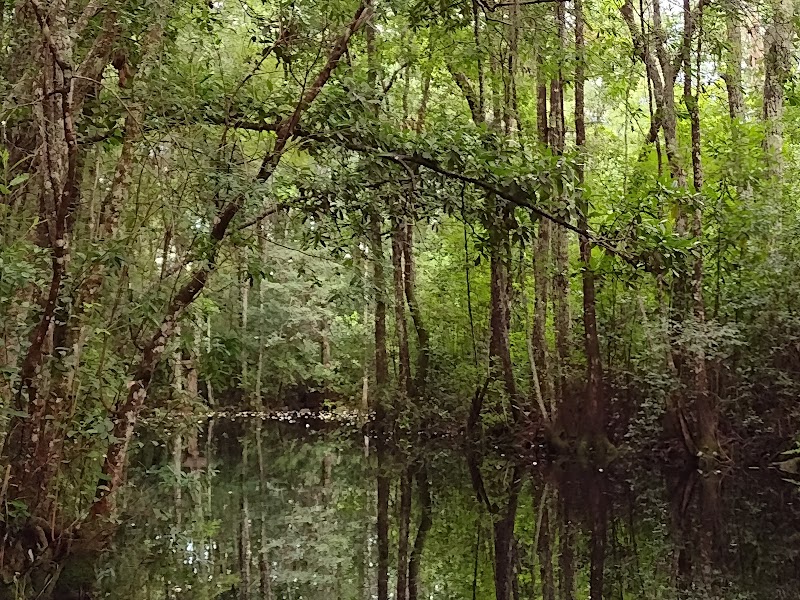
Nearby Trips
All Adventures
Boat Charters
Water Activities
Adventures near Waycross
Discover the unique and memorable adventures that make Waycross special.
Frequently Asked Questions
When is the best window to photograph bats along the river?
Bats become active about 20 to 30 minutes after sunset, offering a 45-minute to 1-hour window for optimal flight shots before darkness deepens.
Are there recommended spots for unobstructed sunset views on the river?
Yes, the areas near the Chesser Island observation deck and the less-traveled downstream banks provide open vistas with minimal vegetation interrupting the horizon line.
What camera settings work best for bat photography?
Use wide open apertures (f/2.8 or wider), high ISO values around 3200-6400, continuous autofocus, and burst mode to maximize capture chances of fast, erratic bat flights.
Are guided night tours available for better wildlife spotting?
Several local outfitters offer guided swamp night tours equipped with night-vision gear, increasing safety and chances of successful wildlife observation.
What wildlife besides bats can photographers expect at sunset?
Look for herons, anhingas drying their wings on branches, river otters splashing near shore, and raccoons emerging from dens along the river.
How do I protect my gear from the swamp environment?
Bring waterproof camera bags, use lens hoods to minimize moisture on lenses, and clean gear thoroughly after exposure to humid or wet conditions.
Recommended Gear
Camera with Fast Lens (f/2.8 or wider)
Fast aperture lenses help capture bats in flight under low light without flash.
Sturdy Tripod
Stabilizes camera for long exposures during sunset and twilight photography.
Water-Resistant Footwear
Protects feet from damp and slippery terrain common in spring swamp walks.
Insect Repellent
Keeps bugs at bay during warmer months when mosquitoes peak.
Local Insights
Hidden Gems
- "Chesser Island Overlook – a perfect spot for unobstructed sunset and wildlife watching."
- "Backwaters tributaries – quiet areas where bats congregate in higher numbers."
- "Sandbar near Suwannee River confluence – unique vantage for river and wildlife photography."
Wildlife
- "Evening emergence of Southeastern bats including evening bats and tricolored bats."
- "Common river otters visible near dusk."
- "Numerous wading birds like great blue herons and little green herons."
History
"Okefenokee's river pathways were once traveled by Native Americans and early settlers, with the waterways serving as critical passage for trade and sustenance. Historic logging camps also remain near river edges, hinting at human interaction with the swamp."