Pu'u Wa'awa'a offers hikers a blend of volcanic landscapes, native forests, and ocean vistas shaped by Hawaii’s unpredictable weather. Understanding the best seasons and trail conditions is key to a safe and rewarding adventure, whether you're a casual walker or a seasoned trekker.
Start Early
Temperatures climb quickly mid-morning, so begin your hike at sunrise to enjoy cooler air and softer light for photography.
Hydration Is Crucial
Water sources are scarce on this trail; carry at least two liters per person to prevent dehydration in the dry Hawaiian climate.
Choose Reliable Footwear
Expect rocky and uneven terrain demanding shoes with good grip and ankle support to prevent slips and sprains.
Prepare for Wind Exposure
Strong gusts can arrive without warning along ridges; pack windproof layers to stay comfortable and safe.
Mastering The Seasons: Timing Your Pu'u Wa'awa'a Hiking Adventure

Pu'u Wa'awa'a Hike
Summit Pu'u Wa'awa'a Cinder Cone!
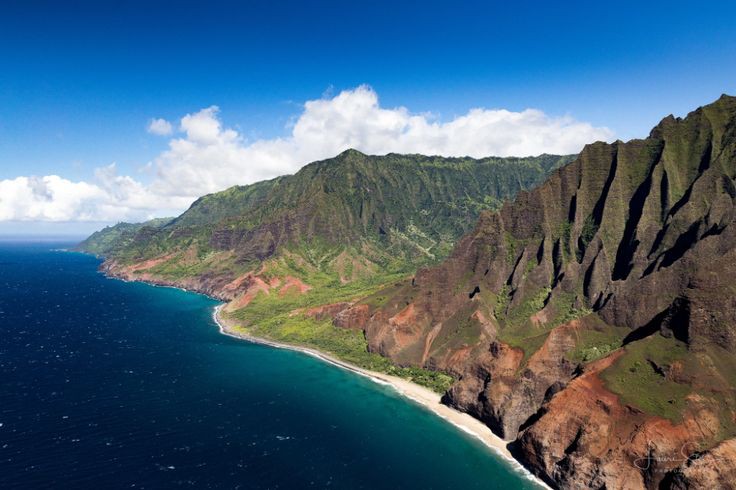
Take on the Pu'u Wa'awa'a Hike for a moderately challenging trek through native dry forests and grasslands leading to spectacular 360° summit views on Hawaii’s Big Island.
Pu'u Wa'awa'a offers an adventurous trek where volcanic terrain meets dry forests and panoramic ocean views. The hiking experience challenges you to engage with a landscape both rugged and fiercely itself, with trails stretching approximately 3.3 miles one way and a steady elevation gain of around 1,200 feet. Underfoot, the mix of dirt paths and rocky stretches demands sturdy footwear that grips as you ascend and weave through native koa and ohia trees that seem to lean in as companions rather than obstacles.
Timing your visit is crucial. The weather breathes differently across the seasons, inviting hikers to tailor their plans. Dry months from April to October present the most favorable conditions—minimal rain keeps trails firm, and warm temperatures encourage early morning starts to beat the midday heat. Yet, even in these sunnier spells, winds can surge suddenly, pushing against your progress and reminding you of nature’s unyielding pace.
Winter months bring sporadic rainstorms that soak the earth, turning some rocky patches slippery and making hydration even more critical. However, this season paints the forest in fresh green, and native birds, including the Hawaiian honeycreeper, become more audible amid the cool undertones of the landscape. Layers are your friend during this time—mornings chill quickly, but the sun breaks through with force in the afternoon.
The trail challenges hikers of all levels but rewards those who come prepared. Clear water sources are rare, so bringing at least two liters of water is essential. Footwear should be reliable - think trail runners or hiking boots with grip. Sunscreen and a wide-brimmed hat fend off the sun’s assertive attention, especially along exposed ridges where the views reward your effort but leave you vulnerable.
Aim for early starts regardless of season to avoid the sun wielding full power and to catch the landscape as it shifts through subtle morning light. Along the route, occasional geological formations dare your curiosity, while the sweeping coastal cliffs seem to watch your journey with an ancient, knowing gaze.
Whether you’re embracing the dry seasons or learning the rhythm of the wetter months, Pu'u Wa'awa'a requires respect and readiness. This hike is less about conquering terrain and more about moving with a place that lives independently, inviting you to meet it on its terms.
Nearby Trips
All Adventures
Boat Charters
Water Activities
Adventures near Waimea
Discover the unique and memorable adventures that make Waimea special.
Frequently Asked Questions
What is the best time of day to hike Pu'u Wa'awa'a?
Early mornings are ideal to avoid heat and strong midday sun. Starting around sunrise provides cooler temperatures and calmer winds, making the climb more comfortable.
Are there any water sources along the trail?
No reliable water sources exist on the trail. Visitors should carry sufficient water to stay hydrated throughout their trek.
Is the trail suitable for beginner hikers?
Pu'u Wa'awa'a is moderately challenging with rocky and uneven terrain. While beginners can complete it with preparation, a reasonable fitness level and appropriate footwear are necessary.
What wildlife can I expect to see?
Look for native birds such as the 'Apapane and Hawaiian honeycreeper, along with sightings of wild goats and feral pigs that roam the area.
Are there any permits required for hiking Pu'u Wa'awa'a?
No permits are required for day hiking, but respect for private land and conservation areas is important. Check with local authorities for any updates before your trip.
What should I do if the weather changes suddenly during the hike?
Seek shelter if rain or strong winds develop. Be prepared with layered clothing and consider turning back if trail conditions become unsafe due to wet or slippery rocks.
Recommended Gear
Sturdy Trail Shoes
Grip and ankle support on volcanic rock and dirt trails minimize injury risks.
Hydration System
Carrying 2+ liters of water is vital, especially in summer’s dry heat.
Sun Protection
Broad-spectrum sunscreen, hat, and sunglasses shield from intense tropical sun.
Windbreaker Jacket
Protects against sudden wind gusts and rain showers, keeping you warm and dry.
Local Insights
Hidden Gems
- "The seldom-visited Pu'u Wa'awa'a summit offers 360-degree views including Kohala mountains and the Pacific horizon."
- "Look for ancient Hawaiian petroglyphs carved into rocks along the lower trail sections."
Wildlife
- "'Apapane"
- "Hawaiian honeycreeper"
- "Wild goats"
- "Feral pigs"
History
"Once a hunting ground and sacred space for Hawaiian chiefs, the area holds cultural significance tied to traditional land management practices."