Explore Waimea Canyon with confidence by packing the right gear for comfort and safety. This guide balances vivid descriptions with practical advice, making sure your Kauai eco-tour is as rewarding as it is manageable.
Hydrate Frequently and Carry Extra Water
Bring at least two liters per person; dehydration happens fast on exposed ridges with limited shade.
Wear Durable, Grippy Footwear
The terrain shifts from loose volcanic soil to slippery roots—boots with good traction prevent injury.
Start Early to Avoid Afternoon Weather Shifts
Mornings are cooler and clearer; afternoons bring mist, rain, and tougher trail conditions.
Bring Navigation Aids
GPS or a map are necessary as cell reception fades quickly within the canyon’s steep walls.
Essential Gear for a Comfortable Kauai Eco-Tour in Waimea Canyon

Waimea Canyon and Koke'e Eco Fun - Tour from East Kauai
Adults $114.36 | Children $102.17 | 8 Hours
Discover the stunning beauty of Kauai in a half-day Eco Fun Tour that highlights Waimea Canyon and Koke'e State Park. Perfect for nature lovers and culture enthusiasts, this trip combines scenic vistas with local stories and sustainable travel practices.
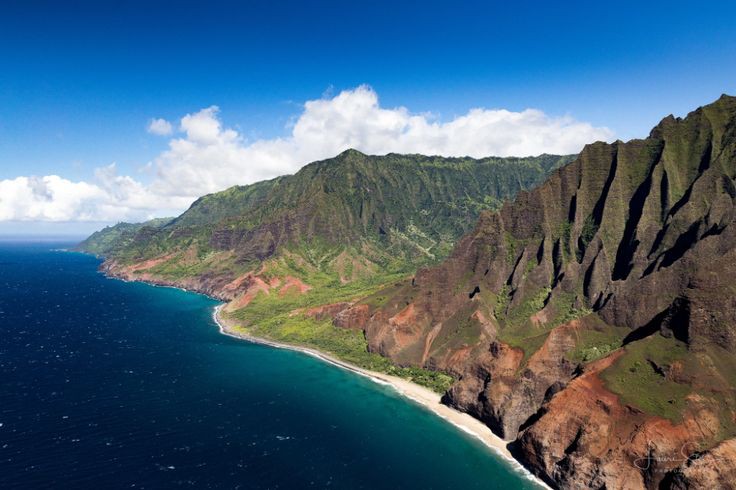
Waimea Canyon offers a rugged but rewarding encounter with Kauai’s wild heart. Known as the "Grand Canyon of the Pacific," this vast gorge stretches about 10 miles long and plunges over 3,600 feet deep, carving a landscape fierce and wildly alive. Trails vary from gentle forested paths to steep rocky stretches, with elevation gains typically ranging from 500 to 1,500 feet depending on your route. A hike here immerses you in shifting microclimates: dry, red-earth ridges give way to lush fern groves and rushing streams, which dare you forward with whispers and splashes.
Comfort on an eco-tour here depends on respect for Waimea’s exacting nature and preparation. Lightweight, breathable layers help you manage sudden changes in weather and temperature, especially as clouds roll over the canyon’s edges. Footwear is non-negotiable: sturdy hiking boots with good traction grip uneven volcanic soil and slick roots that catch the unwary. A hat and quality sunglasses shield you from intense Hawaiian sun that can overpower without warning.
Hydration is a pivotal piece of your plan. Trails stretch 3 to 7 miles round trip in many sections, with limited shade and no water sources along the way. Carry at least two liters of water per person or use a filter system if you intend to refill from streams, but always test the source first. Nutrition-wise, pack portable, high-energy snacks; Waimea’s natural tension requires steady fuel.
Start early in the day. Dawn hikes reward with cooler air and clearer skies, as the canyon often draws mist by afternoon, obscuring views and increasing slipperiness. Keep an eye on weather alerts—rainstorms, common in Kauai’s winter months, transform trails into reluctant waterways and increase the chance of flash floods.
Layer your gear smartly. A rain shell can be a lifesaver when the canyon shifts from dry heat to sudden showers. Insect repellent is practical, too—forest underbrush hums with life that can’t wait for your visit.
Lastly, carry a map and compass or GPS device. Cell service frequently drops beneath Waimea’s steep walls, making handheld navigation essential for comfort and safety. Each step among Waimea’s fiercely alive cliffs and creeks is an engagement with earth that demands awareness and preparation, but rewards with some of Kauai’s most breathtaking landscapes.
Nearby Trips
All Adventures
Boat Charters
Water Activities
Adventures near Waimea
Discover the unique and memorable adventures that make Waimea special.
Frequently Asked Questions
Are Waimea Canyon trails well marked?
Most main trails in Waimea Canyon have clear signage, but some side paths and less traveled routes require map or GPS skills due to faded or missing markers.
Can I refill water along the hike?
Reliable water refill points are scarce on the trails. While some streams appear inviting, water should be treated or filtered as natural sources may carry bacteria or contaminants.
What wildlife might I encounter on the trail?
The canyon hosts native birds like the ‘Apapane and forest-dwelling coqui frogs. Smaller mammals and occasional wild goats may cross your path, but all respect the fragile ecosystem.
Is hiking Waimea Canyon kid-friendly?
Certain flatter, shorter trails suit families with older children, but steep or slippery sections require caution and experience with hiking kids.
What cultural importance does Waimea Canyon hold?
Considered sacred by Native Hawaiians, Waimea Canyon connects to ancestral stories tied to the land and water that shaped the island’s communities.
Are there any lesser-known viewpoints worth visiting?
Beyond the popular lookout points, the Green Pond area and Iliau Nature Loop offer quieter, intimate views with fewer visitors.
Recommended Gear
Sturdy Hiking Boots
Protects ankles and provides traction on rocky, slippery, and volcanic terrain found throughout Waimea Canyon.
Hydration System or Water Bottles
Ensures you stay hydrated through long dry stretches where no water refills are available.
Lightweight Rain Jacket
Shields you from sudden tropical showers, one of the canyon’s frequent but brief weather shifts.
Hat and UV-Protection Sunglasses
Guards against intense Hawaiian sun, especially on exposed ridges with minimal shade.
Local Insights
Hidden Gems
- "Green Pond overlook for tranquil views and native plant life"
- "Iliau Nature Loop featuring rare Hawaiian flora"
- "Honopu Valley offers a challenging hike with remote vistas"
Wildlife
- "‘Apapane (Hawaiian honeycreeper)"
- "Coqui frogs with their distinctive calls"
- "Hawaiian geckos basking on exposed rocks"
History
"Waimea Canyon’s geological history is shaped by volcanic activity and erosion, but culturally it remains a place of importance to Native Hawaiians whose traditions link them closely to the land and water."