Waianae’s boat dives connect you with an ocean that’s alive and ever-changing. Discover when currents calm, visibility peaks, and marine life thrives to make your underwater journey as rewarding as possible.
Align Dives with Flood Tide
Plan dives during early to mid-flood tide to enjoy clearer water and fresher reef conditions, as currents push sediment away from your dive site.
Check Wind Forecasts
Opt for days with offshore or light winds for smoother seas and easier boat handling, and avoid onshore gusts that can ruffle waters and reduce visibility.
Use Local Dive Operators
Partner with experienced local guides to navigate Waianae’s shifting ocean conditions safely and access the best dive sites according to daily weather and tides.
Consider Morning Dive Times
Morning light softens reef colors and generally brings calmer waters, which enhances underwater visibility and comfort for divers of all skill levels.
Timing Your Waianae Boat Dives for Prime Conditions
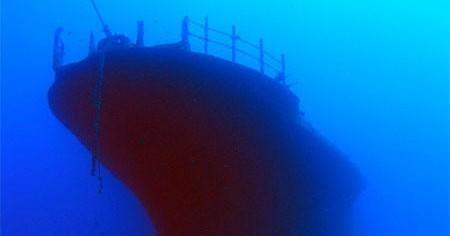
Two Tank Wreck and Lava Tube Dive
The best (and only) boat dive charter on the west coast of Oahu
Dive into the unique underwater world near Ko Olina, Hawaii, with personalized tours exploring historic wrecks and ancient lava tubes. Perfect for divers seeking safety and adventure on Oahu’s west coast.
The Waianae coast of Oahu offers boat dives that pulse with raw Pacific power and radiant marine life, but timing is everything. The ocean here doesn’t simply wait for you; it’s alive, shifting currents and moods with the seasons and even the daily tides. To maximize your experience beneath the waves, understanding when conditions align in your favor is the key to turning a good dive into an unforgettable exploration.
Start by considering the season. The best months for Waianae boat dives typically stretch from May through October. During this time, trade winds ease while the ocean surface calms, giving clear visibility often between 40 to 80 feet. Water temperatures stabilize around 77-81°F, inviting you to linger longer underwater without wasteful shivers or overheating.
Winter months from November to April bring larger swells and more turbulent reef zones. While the drama of aggressive currents and upwelling plankton attracts experienced divers seeking big fish and hammerhead sightings, it’s a challenge requiring strong skill and local knowledge. Visibility drops, currents intensify, and the ride over the waves can be rougher, making timing with the tide charts essential.
Tides themselves are a silent but powerful actor on the stage of your dive day. Early to mid-flood tides push cleaner, clearer water toward the reefs of Waianae, flushing out sediment and refreshing your underwater view. Conversely, ebb tide can stir the bottom, clouding visibility and making maneuvering trickier. Planning your dive around these tidal windows is a straightforward way to gain favorable conditions.
Sunlight affects not just what you see but also marine activity. Morning dives often bring calm seas and soft underwater light, allowing colors to spread evenly and reef textures to pop clearly. Midday dives can deliver stronger illumination but also increase risk of glare or boat traffic. Late afternoon dives offer the chance to see nocturnal species awakening, but can come with cooling waters and shifting currents.
Weather patterns can also swing unexpectedly on these coasts. Keep an eye on wind forecasts—onshore gusts can ruffle the ocean’s surface and obscure your boat’s approach. Offshore winds generally create a glassy sea, smoothing your entry into the water and easing boat handling. Rain is rare but sudden storms can reduce visibility abruptly, so maintaining flexible timetables helps ensure safety and enjoyment.
Safety is paramount, and aligning with local dive operators who know Waianae intimately cannot be overstated. They read the ocean’s signals daily, crafting dive plans that dodge rough patches and highlight the richest zones of coral and fishlife. Download tide and weather apps, and consider the lunar calendar—spring tides often bring stronger currents but better feeding action for the fish.
Ultimately, timing your Waianae boat dive is about understanding an ocean that lives and breathes itself fiercely. It pushes back when ignored but rewards those who listen and work with it. Approach each dive with respect for the environment’s power and rhythms, and you'll find yourself part of a dynamic encounter, swimming through a landscape that’s as much alive with surprise and beauty as it is with challenge.
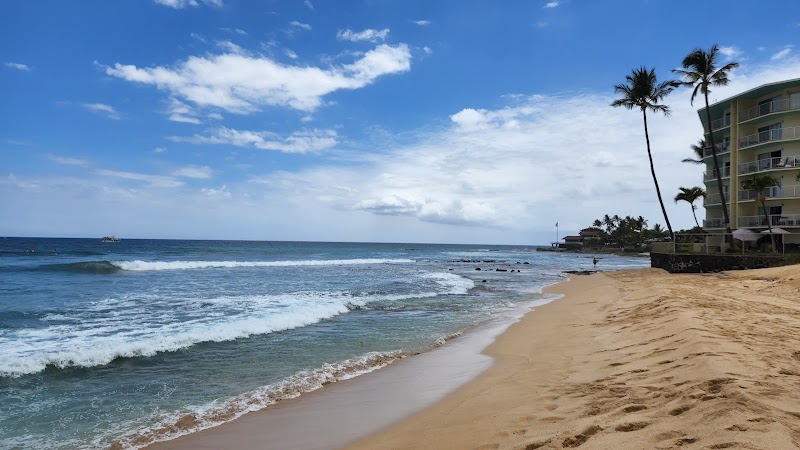
Nearby Trips
All Adventures
Boat Charters
Water Activities
Adventures near Waianae
Discover the unique and memorable adventures that make Waianae special.
Frequently Asked Questions
When is the best time of day to start a Waianae boat dive?
Early mornings are best, as the sea tends to be calmer with better visibility and softer light, allowing you to see marine life and reef structures clearly.
Are the currents in the Waianae coast strong year-round?
Currents vary with seasons and tides. They are typically milder from May to October but can become stronger and more challenging through the winter months.
Do local dive operators provide all necessary equipment?
Most local operators offer gear rentals, but bringing personal items like masks and fins is recommended to ensure comfort and fit.
What marine life is commonly seen during Waianae boat dives?
Divers regularly encounter reef fish, sea turtles, eagle rays, and, during winter, hammerhead sharks passing through offshore waters.
Are there any safety concerns unique to Waianae dives?
Strong currents and sudden weather changes require attention; always dive with a guide and check tide charts before heading out.
Can beginners safely dive off the Waianae coast?
Yes, with a certified guide and during calmer months, beginners can enjoy the reefs; however, handling currents might be challenging for novices.
Recommended Gear
Mask and Snorkel
A well-fitting mask ensures clear vision; a snorkel helps conserve air while at the surface.
Wetsuit (3mm-5mm)
Thermal protection for cooler months and added abrasion defense from reef contact.
Dive Computer
Monitors depth, time, and decompression limits—vital for safe diving in varying current conditions.
Fins with Adjustable Straps
Helps maintain strong propulsion especially during current-influenced swims.
Local Insights
Hidden Gems
- "The rarely visited Kaena Point reef accessible by boat with unique corals and fewer crowds"
- "Secluded underwater caves near Makua Beach offering thrilling swim-throughs"
Wildlife
- "Hawaiian green sea turtles that often rest on shallow reefs"
- "Seasonal hammerhead shark migrations in winter months"
History
"The Waianae coast holds cultural significance as the traditional home of native Hawaiian fishing communities, with sacred sites along the shore reflecting ancestral stewardship of the ocean."