Off Waianae’s coast, the Pacific stages an enthralling marine performance as dolphins play year-round and whales migrate in winter months. Understanding seasonal patterns here can elevate your experience from casual observation to an insightful adventure.
Bring Binoculars for Distant Sightings
The ocean stretches wide, and whales or dolphins often perform far from shore. Binoculars sharpen your view and help you track moving pods across the water.
Plan Morning or Late Afternoon Visits
Calmer ocean conditions and favorable light improve sightings and photography opportunities during these times of day.
Wear Sturdy Footwear
Gravel paths and rocky shorelines require shoes with good grip to navigate safely between lookout points.
Respect Wildlife and Stay a Safe Distance
Keep clear of resting pods and turtle nesting areas, minimizing noise and disturbance to marine life.
Timing Your Waianae Voyage: Seasons for Dolphin and Whale Sightings

Private Snorkel or Dive Charter
Private Charter from Waianae Small Boat Harbor
Discover Hawaii's stunning marine life with a private boat tour in Waianae. Dive into crystal-clear waters, snorkel alongside sea turtles, and enjoy personalized service on this unforgettable adventure.
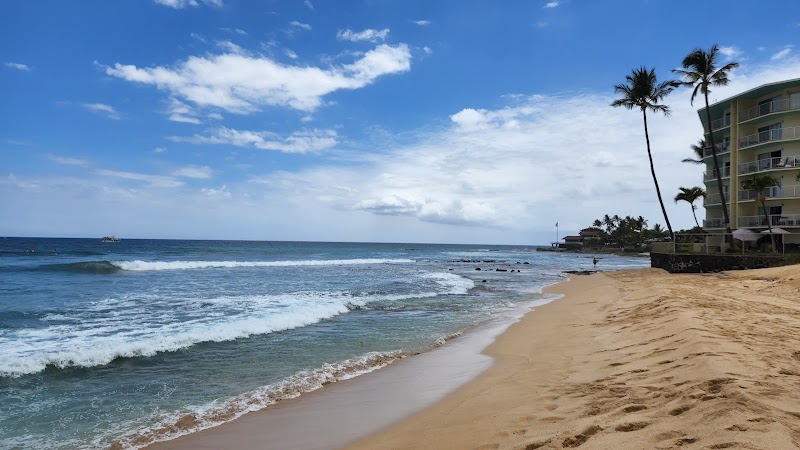
Waianae’s coastline stretches with a rugged grace that seems to throng with life beneath its waves. For those tracking the seasonal rhythms of dolphins and whales, knowing when to stand on these shores is key. From late fall through early spring, the ocean becomes a stage where humpback whales arrive from the cold Alaskan waters, pushing southward to mate and birth in Hawaii’s warmer embrace. Their spouts punctuate the horizon, daring watchers to catch the spectacle as mothers guide calves through the currents.
From November to May, humpbacks dominate the waters off Waianae, but dolphins are year-round actors. Spinner dolphins, famous for their acrobatics, frequent this coast with their playful energy, often seen in pods weaving through bay waves or chasing schools of fish.
Timing your visit in midwinter maximizes the chance of witnessing breaching whales slicing through the swells. Arriving onshore early in the morning or late afternoon sharpens the window for clearer visibility, as the sun crowns the waves and the ocean calms. To spot these marine performers, head to vantage points like Kaena Point or Pokai Bay, where sweeping views frame the water’s edge.
The terrain here is practical to navigate—gravel paths and gentle elevation gains of under 200 feet lead you to lookout spots where the sea reveals its secrets. The ocean’s voice, sometimes a distant rumble, sometimes a whisper carried on the breeze, pulls you closer.
For those planning excursions, consider light layers and sturdy footwear to tackle uneven shorelines, plus binoculars and a camera with a zoom lens to capture fleeting moments. Hydrate well; the island sun may not overwhelm, but Waianae’s dry season can sneak up unexpectedly.
Respect for the ocean’s pulse is crucial. Currents may push you away or closer, depending on their mood. Watch for local signs about turtle nesting areas and avoid disturbing resting pods. This engagement with a living environment, fiercely itself, offers rewards beyond the view—a connection to creatures who have traveled thousands of miles to claim these Pacific waves.
In sum, Waianae’s seasons script a marine drama worth timing carefully. Whether you’re a casual onlooker or a seasoned ocean enthusiast, planning your visit around the migratory calendar immerses you in a natural performance charged with life and motion—one worth witnessing with readiness and respect.
Nearby Trips
All Adventures
Boat Charters
Water Activities
Adventures near Waianae
Discover the unique and memorable adventures that make Waianae special.
Frequently Asked Questions
When is the best time of day to see whales and dolphins off Waianae?
Early mornings and late afternoons offer the clearest light and calmer waters, improving visibility for spotting marine mammals.
Are there guided tours available for whale watching from Waianae?
While Waianae is less commercialized than other areas, several local operators offer boat tours focused on whale and dolphin sightings, often accessible from nearby Honolulu for those willing to travel.
What safety concerns should I be aware of when near the shoreline watching marine wildlife?
Watch for slippery rocks, sudden wave surges, and respect marked turtle nesting zones. Avoid entering the water in areas with strong currents or near marine mammals.
Do dolphins stay close to shore year-round in Waianae?
Yes, spinner dolphins frequent Waianae’s calm bays throughout the year, often visible during the day as they rest or feed near the surface.
Is it possible to see other marine life during the whale season?
Yes, aside from whales and dolphins, you may spot sea turtles, seabirds, and occasionally colorful reef fish near the shoreline during your visit.
Can I hike to any specific viewpoint for better whale watching experiences?
Kaena Point State Park offers several approachable trails leading to cliffs with panoramic ocean views, ideal for spotting migrating whales and frolicking dolphins.
Recommended Gear
Binoculars
Allows spotting of distant dolphins and whales beyond the shoreline.
Sturdy Hiking Shoes
Protects feet on gravel and rocky terrain common at lookout points.
Sun Protection (Hat & Sunscreen)
Essential to avoid sunburn during exposed daylight hours.
Water Bottle
Staying hydrated is crucial, especially in Waianae’s dry, sunny climate.
Local Insights
Hidden Gems
- "Oahu's Kaena Point trail, less crowded, offers a prime whale watching perch."
- "Small coves along the Waianae coast provide intimate dolphin-spotting spots rarely visited by tourists."
Wildlife
- "Spinner dolphins’ astonishing leaps early morning at Pokai Bay."
- "Green sea turtles often sunbathe on coastal rocks, a quiet highlight near marine mammal sightings."
History
"Waianae’s coast holds cultural significance as a traditional Hawaiian fishing and navigation area, with historical trails used by ancient Hawaiians traveling along the shore."