Wreck and lava tube diving off Waianae offers an intense blend of adventure and natural wonder where history meets geology beneath the waves. This guide equips you with the essential gear and practical tips to dive confidently and safely into these challenging underwater terrains.
Dive with a Certified Buddy
Lava tubes and wrecks are complex and confined; always dive with a partner properly trained in cave or wreck diving techniques.
Start Early for Optimal Conditions
Morning dives offer calmer seas and better visibility, reducing risks from currents and improving your overall experience.
Bring Redundant Lights
Due to limited natural light inside lava tubes, carrying a backup dive torch is crucial to avoid disorientation.
Wear Appropriate Footwear for Shore Approach
Volcanic rock shores are sharp and uneven, so water shoes or reef-safe boots protect against cuts when entering or exiting the water.
Essential Gear Checklist for Safe Wreck and Lava Tube Diving off Waianae
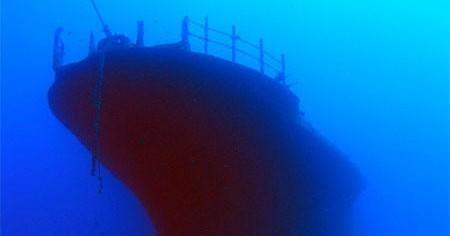
Two Tank Wreck and Lava Tube Dive
The best (and only) boat dive charter on the west coast of Oahu
Dive into the unique underwater world near Ko Olina, Hawaii, with personalized tours exploring historic wrecks and ancient lava tubes. Perfect for divers seeking safety and adventure on Oahu’s west coast.
Exploring the underwater world off Waianae's rugged coastline brings a thrilling blend of history and geology, where sunken wrecks whisper stories and lava tubes invite an otherworldly dive. The Pacific Ocean here—restless and commanding—beckons divers to engage with its fluid challenges, requiring gear that stands up to both adventure and safety. Knowing what to pack transforms this dive from a risky plunge to a controlled exploration downstream of nature’s fierce currents and confined spaces.
Start with a wetsuit: water temperatures average 75–80°F (24–27°C) year-round, so a 3mm wetsuit provides sufficient insulation without sacrificing flexibility. Waianae’s currents can toss even the best of swimmers, so a reliable dive buoyancy compensator device (BCD) and properly fitted fins tailored for strong kicks ensure efficient propulsion against sudden surges.
Visibility fluctuates between 30 to 60 feet, shaped by weather and tides, making a diving mask with tempered glass and an anti-fog coating essential. A powerful dive torch is non-negotiable inside lava tubes where daylight fades quickly into shadow. Your dive computer must track decompression limits accurately, especially when exploring wreck crevices or tunnels where ascent routes are limited.
A cutting tool is physical evidence of respect toward the ocean’s unpredictability—lines or kelp can entangle, demanding swift action. Similarly, a reliable surface signaling device like a whistle or inflatable marker buoy announces your presence when surfacing beyond the shore’s eyes.
Dive with a certified buddy and brief thoroughly on wreck layouts and tube configurations. Lava tubes run complex, their tight walls daring explorers to map their path with steady breathing and calm nerves. Carrying a backup light and a solid dive knife enhances your preparedness.
On land, sturdy, slip-resistant footwear guards your approach where volcanic rock meets sandy bays, often sharp and uneven. Hydration is critical—the tropical sun wrestles moisture from your body faster than you might expect. Carry water in durable containers and start early; mornings bring calmer water and softer light to appreciate the coastline’s raw contours.
Lava tube and wreck diving off Waianae offers more than just a swim. It presents a conversation with the ocean’s past and geological force, urging respect and readiness. Equip thoughtfully, dive wisely, and you’ll navigate this world fiercely itself—with a safe return and stories to share.
Nearby Trips
All Adventures
Boat Charters
Water Activities
Adventures near Waianae
Discover the unique and memorable adventures that make Waianae special.
Frequently Asked Questions
What certifications are needed for wreck and lava tube diving off Waianae?
Divers should hold at least an advanced open water certification with additional training in wreck or cave diving. Experience in buoyancy control and emergency procedures is vital due to confined spaces and strong currents.
How can I safely navigate the shifting currents near lava tubes?
Study local tide charts and ocean conditions before diving. Always dive with a buddy, maintain constant communication, and use natural landmarks or dive lines to prevent disorientation.
Are there facilities or support services near dive sites in Waianae?
Waianae is somewhat remote; divers typically need to self-support. It's best to stay in nearby towns like Waianae or Makaha where equipment rentals and local guides are accessible.
What should I watch for regarding local wildlife during dives?
Keep an eye out for Hawaiian monk seals resting on shores and reef fish that use wrecks as habitat. Avoid touching or disturbing marine life to respect the ecosystem.
Are there environmental rules specific to diving in the area?
Yes, divers must avoid contact with coral and lava tube formations and refrain from removing artifacts from wrecks. These regulations protect fragile underwater environments and Hawaii’s cultural heritage.
When is the best time of day to photograph underwater features?
Early morning provides the best light penetration into shallow wrecks and lava tubes, reducing turbidity and casting dramatic beams that enhance photo clarity and mood.
Recommended Gear
3mm Wetsuit
Provides thermal protection in tropical water while maintaining flexibility for maneuvering tight lava tubes.
Dive Computer
Monitors depth, bottom time, and decompression limits crucial for safe exploration of underwater wrecks and caves.
Primary and Backup Dive Lights
Illuminate the shadowed interiors of lava tubes and wrecks, where daylight cannot penetrate.
Cutting Tool (Dive Knife or Line Cutter)
Essential for quickly addressing entanglements in kelp, lines, or debris common near wreck sites.
Local Insights
Hidden Gems
- "The rarely visited Kaena Point lava tube extends under the cliffs, offering a raw diving experience away from crowds."
- "A submerged WWII wreck near Pokai Bay, partially overgrown with reef, reveals unexpected fish species."
Wildlife
- "Hawaiian green sea turtles frequent bay entrances in early morning hours."
- "Rare reef sharks patrol some deeper wreck sites, mostly indifferent but to be respected."
History
"Wrecks off Waianae are remnants of WWII naval activity and commercial vessels lost to war and weather. These sites hold cultural significance for local communities tied to maritime heritage."