
Mastering Sunset Wildlife Sightings on Pelican Island: Timing and Tips
Pelican Island offers a prime setting for stunning sunset wildlife sightings where timing and preparation matter. Discover essential tips to align your visit with the island’s natural rhythm, enhancing encounters with pelicans, ospreys, and other twilight creatures.
Arrive Early to Secure a Spot
Begin your hike at least 90 minutes before sunset to reach key viewing points and settle in without rushing.
Wear Waterproof Footwear
Expect marshy terrain near water edges; shoes with good traction and water resistance ensure safe footing.
Bring a Headlamp for Safe Return
Twilight fades quickly; a reliable headlamp is crucial for the hike back after sunset in low light conditions.
Mind Your Noise and Movements
Stay quiet and move deliberately to avoid startling wildlife during this sensitive active period.
Mastering Sunset Wildlife Sightings on Pelican Island: Timing and Tips

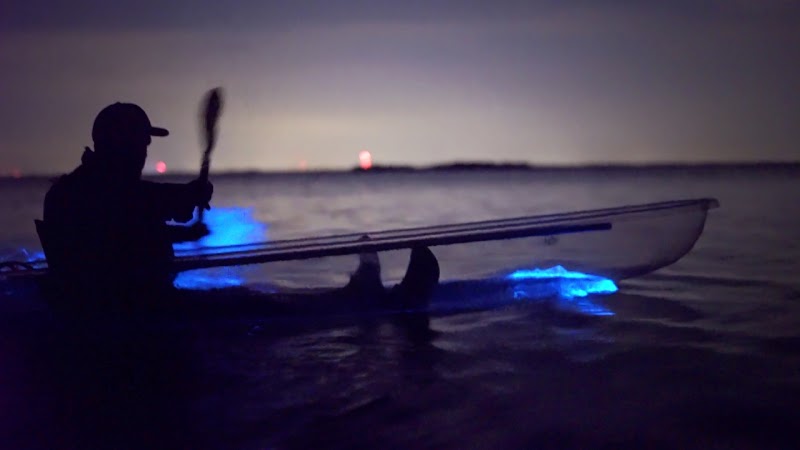
Sunset Pelican Island Pontoon Tour
Arrive 30 minutes prior to departure
Join the Environmental Learning Center in Vero Beach for a sunset pontoon tour that showcases Florida’s stunning coastal wildlife and island scenery. Ideal for family and small groups, this 2-hour trip offers peaceful waters and unforgettable views as the day ends.
Pelican Island stands as a fiercely alive stage at dusk, where the retreat of daylight summons winged hunters and elusive mammals alike. To maximize sightings of its vibrant wildlife during sunset, timing and environmental awareness are critical. The prime window spans the hour before and 30 minutes after the sun dips below the horizon, when light wanes and nocturnal animals begin their rounds.
Located just off the coast near the town of Vero Beach, Florida, Pelican Island offers a compact but richly diverse setting. The core hiking route covers roughly 3 miles with a flat elevation profile, making the terrain accessible to most fitness levels. The path winds through well-trodden forested patches, where the backdrop shifts from bright greens to muted shadows, and opens onto salt marsh overlooks where pelicans glide low, daring the currents.
Start your hike about 90 minutes before sunset to reach the island’s favored observation points in time. This buffer accounts for a steady pace, brief stops for hydration, and moments to absorb shifting light. The atmosphere here transforms as the sun lowers: dry breezes cool, the marshes ripple, and birds draw close in tighter formations. Mask your presence with earth-tone attire and quiet steps to blend with the environment’s natural rhythm.
Bring a sturdy pair of waterproof hiking shoes; marshy ground can cling unexpectedly even on a clear afternoon. A lightweight headlamp is a must for the return—twilight quickens into darkness. Hydration remains key, especially on warm evenings when humidity lingers and sedges scent the air.
Bird activity peaks along the island’s east-facing edges and open channels, where Ospreys return to nests and Pelicans skim water’s surface in search of last-minute prey. White-tailed deer often tread silently through the forest interior after daylight fades. Sound is your ally here—listen for the splash of a fish or the low call of a migratory bird.
For seasoned adventurers, note the wind patterns: a stiff offshore breeze encourages pelicans to circle lower and longer, while calm conditions might shift animal visibility inland. Weather conditions also dictate the intensity and duration of the sunset glow, affecting both visibility and the wildlife response.
Preparing for the hike with a clear plan for timing, gear, and pacing not only heightens chances for memorable wildlife moments but fosters a respectful dialogue with nature’s own schedule. This is an exchange with a landscape fiercely itself, not pliable to rush or distraction. Respect it, and Pelican Island’s dusk rewards you with an intimate connection to the wild’s last light.
Nearby Trips
All Adventures
Boat Charters
Water Activities
Adventures near Vero Beach
Discover the unique and memorable adventures that make Vero Beach special.
Frequently Asked Questions
When is the best time to see pelicans on Pelican Island?
Pelicans are most active from late afternoon into sunset, especially about 30 minutes before and after the sun dips below the horizon.
Are there any tide considerations to plan around?
Yes, lower tides expose mudflats where birds feed closer to shore, improving wildlife visibility. Check tide charts to align your trip with low or outgoing tide at sunset.
Is the island accessible year-round?
Pelican Island is accessible year-round, but seasonal weather changes affect wildlife activity and trail conditions. Summers can be hot and humid, while winters bring cooler, calmer evenings.
What wildlife besides birds can I expect during sunset?
White-tailed deer and raccoons become more active as light fades, often visible moving silently through forest edges on the island.
Are guided tours recommended for first-time visitors?
Guided tours can enhance the experience with expert spotting and interpretation but are not necessary if you come prepared with maps, timing knowledge, and quiet observation tactics.
What precautions should I take to protect the wildlife?
Maintain a respectful distance, avoid feeding animals, minimize noise, and stay on established trails to reduce habitat disturbance at this sensitive time.
Recommended Gear
Waterproof Hiking Shoes
Protects feet from wet marshy paths and provides traction on slippery surfaces near water.
Headlamp or Flashlight
Ensures safe navigation during dim fading light after sunset.
Insect Repellent
Necessary in spring to reduce discomfort from increased mosquito activity.
Lightweight Hydration Pack
Keeps you hydrated in warmer months when humidity and exertion accelerate fluid loss.
Local Insights
Hidden Gems
- "The west bluff viewpoint where tidal marshes stretch expansively, revealing pelicans diving in golden light."
- "A secluded cypress grove trail less traveled, excellent for spotting nocturnal mammals as day fades."
Wildlife
- "Brown pelicans"
- "Ospreys"
- "White-tailed deer"
- "Raccoons"
- "Various migratory shorebirds"
History
"Pelican Island holds the distinction as the first National Wildlife Refuge in the United States, established in 1903 to protect pelicans and other coastal seabirds from declining populations due to plume hunting."