
The West Fork of the Duchesne offers fly fishers a chance to engage with wild waters that shift with season and weather. This guide breaks down the best times to cast, the trail demands, and practical tips to prepare you for prime fishing and hiking conditions in one of Utah’s rugged backcountry spots.
Start Early for Calm Waters
Fishing is best in the early morning when winds are low and trout feed actively at the surface, giving you an edge before afternoon ripples complicate lines.
Hydrate Continuously
Several miles and 1,200 feet of elevation gain make hydration critical. Carry at least 2 liters, preferably in a hydration pack for steady access.
Match Your Fly to the Hatch
Observe local insect activity carefully; mayflies and caddisflies dominate mid to late summer, so bring adjustable fly selections to match emerging hatches.
Wear Durable, Gripping Footwear
Expect varied terrain: firm forest soil gives way to loose rocks and roots. Boots with ankle support and good tread improve safety and comfort.
Mastering Prime Fly Fishing Conditions on the West Fork of the Duchesne

Small and Remote Streams
Starting at $600 • 8 Hours • Ages 14+ • Up to 4 People • Call to Book!
Experience the peace and solitude of Utah’s hidden streams with a private fishing trip near Heber City. Perfect for those looking to escape the crowds and connect with nature, this exclusive adventure offers pristine waters, expert guidance, and abundant wildlife. Keep reading to discover what makes this trip truly special.
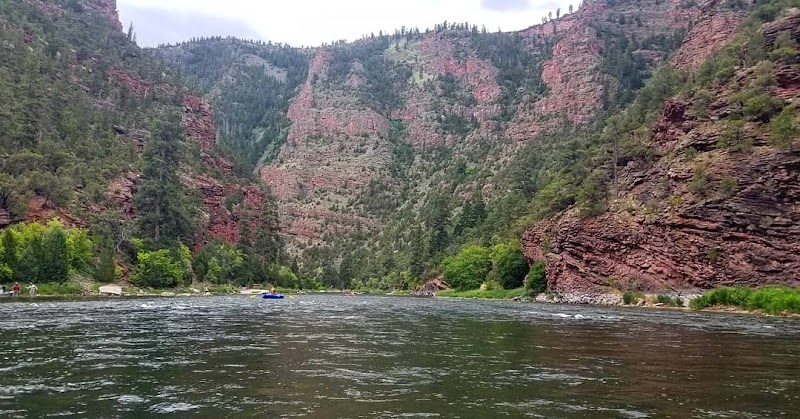
The West Fork of the Duchesne River challenges and invites anglers with waters that shift temperament as seasons turn. Its currents dare you to read their cues, rewarding those who time their visits for peak conditions. Stretching through forested slopes and open meadows, the river flows with a resilience that demands respect—and strategy.
Timing is everything on this river. Late spring through early summer, when snowmelt swells the river to a lively roar, presents high but often turbulent water that can nip at even experienced fly fishers’ confidence. As temperatures rise, flows stabilize by mid-June, offering a clearer, more manageable experience. This is when the West Fork glows with insect hatches that awaken trout, pushing fish to the surface and into feeding frenzies.
The hike alongside the West Fork covers about 6.5 miles one-way, climbing approximately 1,200 feet through varied terrain. Trails wind from dense stands of Douglas fir and lodgepole pine, their needles muffling steps, to exposed ridges where the river carves the valley below. Footwear with solid grip and ankle support is key—the terrain shifts from smooth dirt to sharp rocks and uneven roots.
Arriving early in the day maximizes your window for calm waters and active fish. Afternoon winds can ripple the surface, scattering trout and complicating casting. Hydrate frequently—the altitude and exertion combine to drain reserves faster than expected. Carry at least two liters of water, ideally through a hydration system for easy access.
Insect activity—especially mayflies and caddis—guides your fly selection. Matching size and hatch timing with observation is your best bet. Don’t overlook nymph patterns during rising water, as trout dive deeper seeking steadier currents. Remember, the river's pulse moves with snowmelt and thunderstorms; sudden shifts can swing conditions rapidly.
Respect the environment. The West Fork moves fiercely on its own terms, a wild corridor sustaining diverse wildlife: elk occasionally cross trails, and otters patrol river bends. These encounters remind anglers they tread in another world’s rhythm. Leave no trace, pack out all waste, and approach each cast as part of an ongoing conversation with the river.
Fly fishing the West Fork of the Duchesne is a measured adventure. Understanding the river’s seasonal moods and the terrain’s demands sets the foundation. When conditions align, the reward is clear: trout that shimmer mid-cast, a river that talks in currents, and a day spent interfacing with one of Utah’s compelling natural forces.
Nearby Trips
All Adventures
Boat Charters
Water Activities
Adventures near Vernal
Discover the unique and memorable adventures that make Vernal special.
Frequently Asked Questions
When is the best time to fish the West Fork for trout activity?
Mid-June through August offers the most consistent dry fly hatches and stable water levels, making it ideal for observing and enticing active trout.
Are permits required for fishing or hiking along the West Fork?
No specific fishing permit is required beyond a state fishing license for Utah. The area is public land but check current regulations for any seasonal restrictions or closures.
What types of trout are commonly found in the West Fork of the Duchesne?
Primarily native and stocked brown trout and rainbow trout, along with occasional cutthroat trout in higher elevations.
Is the trail suitable for beginner hikers?
The trail is moderate with some steep segments and uneven terrain, so beginners with basic fitness and appropriate footwear can manage it with pacing and preparation.
Are there fishing guides or rentals nearby for those unfamiliar with the area?
Yes, Vernal has outfitters offering fly fishing guides, gear rentals, and advice tailored for the West Fork and surrounding rivers.
What wildlife might I encounter on this trail?
Expect to see elk, mule deer, river otters, and a variety of birds including osprey and kingfishers, especially near calm river sections.
Recommended Gear
Waterproof Hiking Boots
Provide sturdy ankle support and grip on uneven terrain while handling moist conditions near the river.
Hydration Pack
Allows hands-free, consistent hydration during long hikes and while fishing, vital in dry mountain air.
Adjustable Fly Rod and Tackle
Adaptable to changing water levels and insect hatches; versatile tackle increases chance of a successful catch.
Layered Clothing
Temperatures fluctuate widely; breathable layers allow quick adaptation during the hike and fishing breaks.
Local Insights
Hidden Gems
- "A small waterfall just a mile upstream from the main trailhead offers a quiet spot for breaks away from popular fishing holes."
- "A viewpoint at 1,200 feet elevation provides clear views over the Duchesne valley and distant peaks, best at sunset."
Wildlife
- "Otters play in river bends during early morning hours, their movements often signaling deeper water pools rich with fish."
- "Elk herds move through the forested edges at dusk, a thrilling sight but best observed from a distance."
History
"The West Fork region holds significance for the Ute Tribes and early trappers who navigated its challenging terrain. Remnants of old mining efforts follow nearby but are safely off the main hiking routes."