
Experience the rush of a 2-hour UTV ride across the rugged trails of Utah's Uinta Mountains. This guide balances the thrill of wild terrain with practical safety tips to prepare you for every twist and challenge on the path.
Pre-Ride UTV Inspection
Check brakes, tires, lights, and fluids before hitting the trail to prevent breakdowns in remote areas.
Hydrate Wisely
Carry at least two liters of water and sip regularly—altitude and dry mountain air accelerate dehydration.
Helmet and Protective Gear
Always wear a helmet and gloves for safety and grip, protecting from dust, branches, and falls.
Early Starts Avoid Weather Risks
Begin your ride early in the morning to take advantage of stable weather and daylight.
Mastering Trail Safety on a 2-Hour Uinta Mountain UTV Ride

2 Hour UTV Rental
Great for Beginners!
Discover the rugged beauty of Utah on a private 2-hour UTV adventure in Kamas. Perfect for thrill-seekers and nature lovers alike, this exploration offers a personalized off-road experience through stunning landscapes.
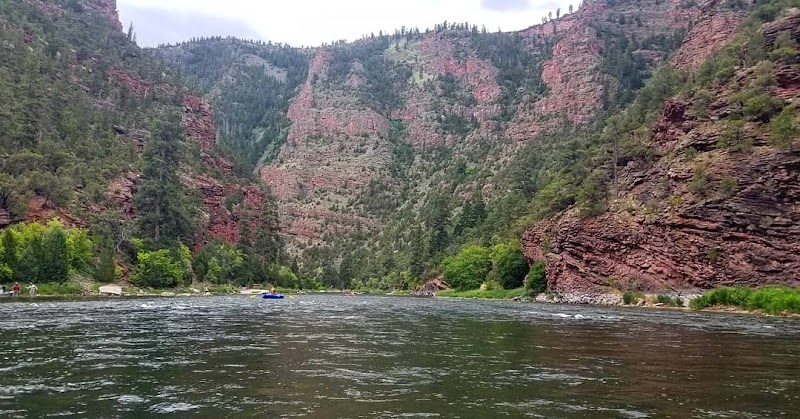
Exploring the Uinta Mountains by UTV offers a thrilling interplay between rugged terrain and vast wilderness. A typical 2-hour ride covers roughly 15 miles, with elevation changes between 7,000 and 9,000 feet. The trails wind through dense aspen groves and pine forests, crossing rocky stretches that challenge your vehicle’s capabilities without overwhelming even moderately experienced riders.
The forest feels alive—trees seem to lean in, observing your every move, while nearby streams dare you to respect their force where crossings occur. The air carries the scent of pine and earth, grounding you throughout your journey. Sweeping views of the surrounding ridges reward your steady progress, reminding you how fiercely the landscape remains itself.
To maximize safety, preparation is key. Begin with a thorough inspection of your UTV: check brakes, tires, and fluid levels, ensuring your machine is ready for the varied surfaces ahead. Wear sturdy boots and gloves to protect against sudden movements or debris, and bring a helmet that fits securely. Hydration matters; pack at least two liters of water, as altitude and exertion dry you out quicker than expected.
Timing your ride is critical. Aim to start early in the morning to avoid afternoon weather shifts common in the mountains, such as sudden thunderstorms. Keep a map or GPS device handy, but also familiarize yourself with trail markers beforehand. Cell service is spotty, so carry a communication device or let someone know your itinerary and expected return time.
Encountering wildlife is a real possibility here: deer, marmots, and occasionally moose watch from the shadows, curious yet cautious. Respect their space. The trail’s surface demands constant attention—rocky patches flash challenges, while sections of loose gravel test your control. Approach each bend with a balanced blend of confidence and restraint.
Maintain a steady pace to prevent overheating both machine and rider. Use break pauses to enjoy the views, but keep them brief to stay on schedule and avoid afternoon weather. Emergency supplies, from a compact first aid kit to basic tools, carry more weight in knowledge than size, providing calm reassurance should the trail push back.
This ride is an exchange with a terrain fiercely itself—challenge meets preparation, spirit meets mindfulness. When you leave, the memory of the forest’s watchful presence and the crisp mountain air will linger, ready to call you back.
Nearby Trips
All Adventures
Boat Charters
Water Activities
Adventures near Vernal
Discover the unique and memorable adventures that make Vernal special.
Frequently Asked Questions
How difficult are the Uinta Mountain UTV trails for beginners?
The trails vary but a 2-hour ride typically requires moderate skill: some rocky stretches and elevation changes. Newcomers should start with smaller rides and practice handling before tackling longer or more technical routes.
Are permits required to operate UTVs in the Uinta Mountains?
Permits are required for motorized vehicles in many parts of the Uinta-Wasatch-Cache National Forest. Check current regulations through the Forest Service website and secure all necessary permits before heading out.
What wildlife might I encounter during a UTV ride?
Expect to see mule deer, marmots, and occasionally moose. Raptors soar overhead, and smaller critters like chipmunks scatter away from noise. Always give wildlife plenty of space and avoid disturbances.
Is cell phone coverage reliable along these trails?
Coverage is limited and spotty—plan accordingly by bringing a GPS device or satellite communication tool, and inform someone of your route and estimated return time.
What elevation should riders prepare for?
Elevation ranges from 7,000 to nearly 9,000 feet. This altitude can increase fatigue, so acclimate beforehand, stay hydrated, and pause if feeling lightheaded.
Are there any unique points of interest on this ride?
Yes, hidden viewpoints overlook the Sheep Creek Basin, and small quiet ponds reflect the towering peaks. The area also features old logging road remnants providing glimpses into past human impact on the landscape.
Recommended Gear
Full-Face Helmet
Protects head and face from debris, branches, and potential impacts while providing clear vision.
Hydration Pack
Hands-free water supply essential for staying hydrated during mountain rides.
Sturdy Hiking Boots
Provides ankle support and grip when mounting/dismounting or walking on slippery trail sections.
Compact First Aid Kit
Preparedness for minor injuries is critical when the trail is remote and assistance distant.
Local Insights
Hidden Gems
- "Sheep Creek Basin overlook"
- "Quiet alpine ponds west of Trail 069"
- "Abandoned logging roads near the northeastern ridge"
Wildlife
- "Mule deer"
- "Mountain bluebirds"
- "Marmots"
- "Occasional moose"
History
"The Uinta Mountains were historically traversed by Shoshone people and later saw logging activity in the early 20th century, remnants of which trace some trails today."