
Timing Your High Mountain Whitewater Adventure in Colorado’s Rocky Mountains
Experience Colorado’s Rocky Mountains at their most dynamic with high mountain whitewater from spring to early summer. Discover the best times to tackle roaring currents, prepare for seasonal challenges, and find out what makes these rivers a fierce but rewarding adventure.
Start Early to Beat Heat and Crowds
Begin your hike or river run at dawn when temperatures are cooler and the currents are more predictable. This also helps avoid afternoon thunderstorms common in summer.
Check River Gauges Regularly
Use official USGS river gauges to monitor real-time flow rates. Sudden spikes can signal dangerous conditions, so adjust or postpone plans accordingly.
Hydrate and Filter Your Water
Carry enough water and a reliable filtration system. Never drink directly from the river without treatment—mountain water can harbor unseen pathogens.
Wear Footwear with Traction and Protection
Choose boots or shoes that grip wet rocks and uneven terrain while protecting your feet from sharp debris and cold streams.
Timing Your High Mountain Whitewater Adventure in Colorado’s Rocky Mountains

The Numbers - Half Day
Class IV • Ages 16+
Looking for a thrilling half-day adventure on the Arkansas River? Discover The Numbers with Monumental Expeditions—a perfect blend of excitement, scenic beauty, and outdoor fun in Cañon City, Colorado.
The Rocky Mountains in Colorado hold some of the most exhilarating high mountain whitewater experiences in the country. Here, rivers don’t just flow; they roar and challenge, pushing paddlers into an unpredictable dance with nature’s fury. Knowing when to seek out these wild currents isn’t just a matter of luck but precise timing and respect for the seasons.
Best Timing and Conditions Spring and early summer are when the high mountain rivers come alive. Snowmelt from the peaks feeds the streams, swelling them into lively torrents that dare you forward. Typically, mid-May through mid-July offers peak flows, with the rivers racing on full-throttle energy. By late summer, volumes shrink, and by fall, currents settle into steady trickles, too tame for serious whitewater challenges.
Nature’s Shifts and Seasonal Challenges Spring is not just about adrenaline; it brings its own hurdles. Sudden meltwater surges can spike river levels within hours. The terrain around these rivers can be slippery with melting snow and runoff. Summer often brings more stable flows but can also shift rapidly with storms, demanding vigilance. Fall calms the rivers, but shorter daylight and colder weather require more preparation.
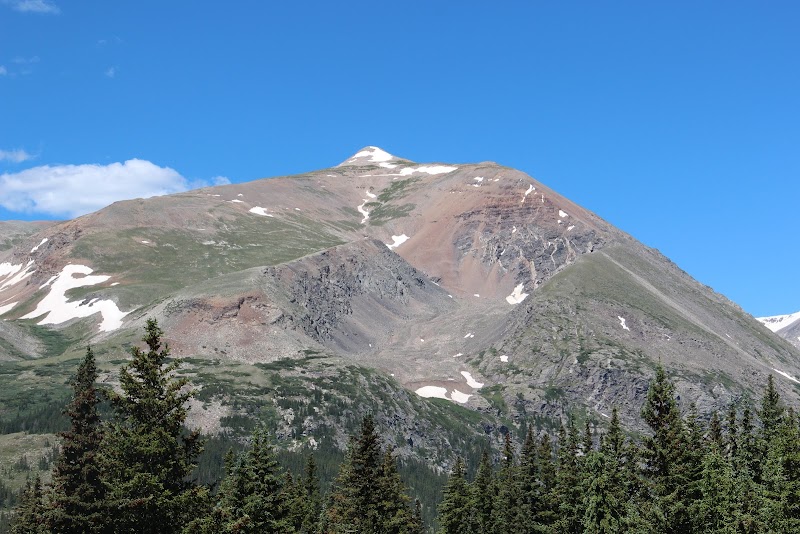
Planning Your Adventure Prepare for elevation gains that range between 500 to 1,500 feet depending on access points—many trailheads sit around 8,000 to 10,000 feet. Expect rugged terrain: rocky banks, dense forests of spruce and fir, and open meadows revealing the vastness of the mountain backdrop. A typical approach hike can be 2-5 miles one-way, so pack for endurance and fluctuating temperatures.
Footwear with solid grip and waterproof qualities will be your frontline defense against wet, uneven terrain. Hydration is critical, particularly at altitude; rivers may offer tempting refreshment but filtering is essential to avoid illness. Timing your river run early in the day means cooler temperatures and calmer weather patterns.
Respect and Responsiveness The rivers here are fiercely themselves—they flow on their terms. Respect the signs of nature’s moods: a tinted current or unusual sound may warn of hidden hazards. Monitor weather reports carefully; the mountains can shift from calm to chaotic in minutes. Your adventure will demand awareness, flexibility, and a readiness to retreat if conditions turn unsafe.
Final Thought Colorado’s high mountain whitewater delivers raw exhilaration for those who meet it with preparation and respect. The window for the wildest rides is relatively narrow but packed with discovery—from the rattling rush of cold waters to the serene views that frame your journey. Whether you’re a seasoned paddler or a curious hiker drawn by the river’s call, understanding the right timing and seasonal conditions is key to a successful, thrilling adventure.
Nearby Trips
All Adventures
Boat Charters
Water Activities
Adventures near Vail
Discover the unique and memorable adventures that make Vail special.
Frequently Asked Questions
When is the ideal water flow for whitewater rafting in the Rockies?
The ideal flow usually occurs from mid-May through mid-July, when snowmelt swells mountain streams. Flow before or after this window tends to be either dangerously high or too low for serious whitewater activities.
What hazards should I watch for during spring whitewater trips?
Spring rivers can spike suddenly due to warming temperatures. Watch for rising water levels, unstable banks, and colder water temperatures that increase risk of hypothermia.
Are there any hidden spots with fewer crowds for paddlers?
Yes, tributaries off the Eagle and Colorado rivers near Vail offer secluded runs that challenge advanced paddlers while avoiding busy main rivers.
What wildlife might I encounter near these mountain rivers?
Expect to see mule deer, beavers along quieter banks, and occasional sightings of elk or bald eagles hunting fish overhead.
How should I prepare for sudden weather changes?
Always carry waterproof jackets, check multiple weather sources before heading out, and avoid exposed ridges during storms. Mountain weather can shift rapidly and demands caution.
Are there local regulations affecting river access?
Many rivers cross federal lands managed by the U.S. Forest Service; permits might be required for overnight camping and some commercial rafting companies require advance reservations.
Recommended Gear
Hydration System
Carry at least 2 liters of water and a filtration device for refilling from streams.
Waterproof Footwear
Protects feet from cold water and provides traction on slippery rocks.
Layered Clothing
Allows adaptation to fluctuating mountain temperatures.
Personal Flotation Device (PFD)
Essential for whitewater safety to keep you afloat during rapid currents.
Local Insights
Hidden Gems
- "East Gore Creek Overlook - a less trafficked viewpoint with stunning river drops"
- "Black Gore Creek tributaries for secluded paddling"
Wildlife
- "Mule deer"
- "Beaver colonies"
- "Bald eagles"
- "Mountain goats at higher elevations"
History
"The mountain rivers were vital corridors for Native Ute tribes and later miners during Colorado's gold rush era, shaping local settlements and traditions."