Cooling the Trail: Mastering Climate Control on Rugged Loveland Rides
Loveland Pass challenges riders and hikers with rapid climate shifts along its rugged terrain. Mastering temperature control here turns a demanding ride into a rewarding experience filled with sweeping views and lively mountain air. Prepare smartly to face this high-altitude adventure comfortably and safely.
Layer Smart for Rapid Temperature Swings
Choose moisture-wicking base layers and breathable insulation that can be added or removed quickly to respond to sudden shifts on the trail.
Hydrate Often, Especially at Altitude
Carry at least two liters of water and use electrolyte mixes to combat dehydration from dry mountain air and exertion.
Sun Protection is Non-Negotiable
Wear UV-rated sunglasses, a broad hat, and apply high-SPF sunscreen to shield skin and eyes from intense alpine sun.
Use Sturdy, Ventilated Footwear
Opt for trail shoes with firm grip and ventilation to maintain foot stability and temperature control across mixed rocky terrain.
Cooling the Trail: Mastering Climate Control on Rugged Loveland Rides

Can-AM Defender MAX Lone Star Cab Rental
FULLY ENCLOSED CAB WITH POWER WINDOWS, HEAT AND AIR CONDITIONING!
Embark on an unbeatable off-road journey in Loveland with the Can-AM Defender MAX. Discover scenic trails, hidden gems, and Colorado’s breathtaking landscapes from the seat of a powerful UTV, all while enjoying a private rental experience.
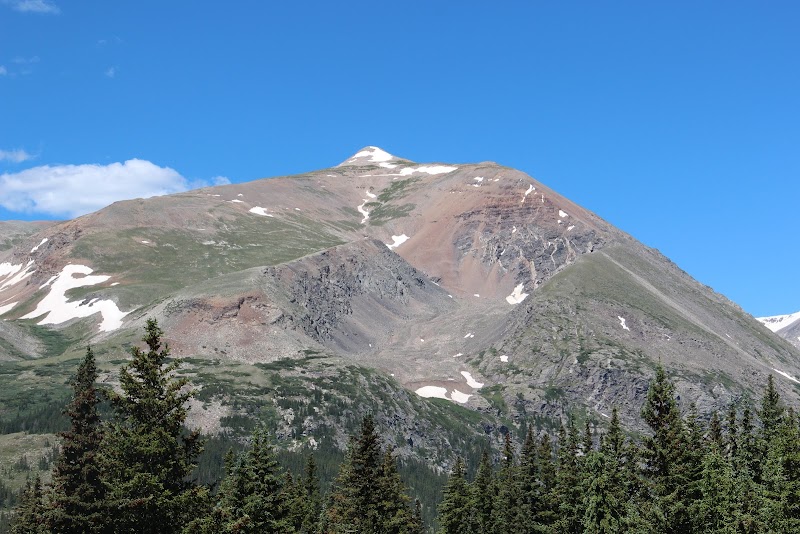
Loveland Pass presents a bold landscape where chill winds and sun-soaked rock meet. This high-altitude route, approximately 5 miles round trip with an elevation gain of about 1,300 feet, demands tactical attention to climate control. The terrain shifts sharply from rocky switchbacks to patches of resilient alpine tundra, each element engaging the senses and testing endurance.
As you ascend, the mountain air dares you to attune to its sudden changes. Temperatures can swing dramatically: a biting breeze from the west threatens to nip, while the midday sun presses down, conspiring to overheat even the hardiest rider. For riders and hikers sharing this rugged path, mastering thermal regulation isn’t just about comfort—it’s a tactical advantage.
Start by layering wisely; breathable wicking fabrics paired with insulating layers adapt to swift shifts in temperature. A lightweight windbreaker or packable jacket acts as a shield against the gusts that frequently sweep Loveland’s ridges. Sun protection here is critical—high UV exposure at elevation can sap energy quickly. A wide-brimmed hat and UV-rated sunglasses guard against the sun’s direct gaze.
Hydration strategies must also respond to the climate’s demands. The arid mountain air pulls moisture aggressively from your system, so carry a hydration pack with a minimum of two liters and pace your intake to replenish steadily. Electrolyte supplements offer a crucial buffer against dehydration, supporting muscle function on the steep climbs.
Footwear must balance sturdiness and breathability; trail shoes with robust grip help navigate the rocky, sometimes loose paths, but ventilation keeps feet from overheating in the sun-exposed stretches. Gloves with moderate insulation aid hand comfort and protection, especially for riders gripping handlebars or trekking poles in cooler moments.
Timing your ride or hike to avoid the afternoon sun not only minimizes heat stress but also allows you to experience Loveland’s shifting moods—from crisp mornings when frost still clings to rocks, to golden late-day light spilling over jagged edges.
In all, success on Loveland’s rugged rides requires respect for the mountain’s temperament and preparation to respond swiftly. With smart climate control, the trail rewards with vivid views—pine groves whispering as winds crawl through, river currents pushing forward nearby, and wide panoramas that invite a steady, mindful pace. This is a journey not just through geography, but through temperature and atmosphere, calibrated for maximum comfort and performance.
Nearby Trips
All Adventures
Boat Charters
Water Activities
Adventures near Vail
Discover the unique and memorable adventures that make Vail special.
Frequently Asked Questions
How quickly does the weather change on Loveland Pass?
Weather can shift rapidly within minutes, especially at higher elevations, alternating between sun, wind, and sudden cold. It's critical to prepare for these fluctuations with adaptable gear.
Are there any water sources along the trail?
Natural water sources are scarce and unreliable due to variable flows. Bringing adequate water is essential since dehydration risk increases with altitude and dry air.
What level of experience is recommended for this ride?
This ride suits experienced hikers and cyclists comfortable with steep climbs, variable terrain, and altitude. Newcomers should train and prepare thoroughly before attempting.
Can this trail be attempted year-round?
While accessible in spring to fall, winter requires specialized equipment like snowshoes or skis and experience in snow conditions due to ice and deep snowpack.
What local wildlife might be encountered?
Look for mountain goats navigating sheer cliffs, marmots wary atop boulders, and a variety of birds such as Clark’s nutcrackers and golden eagles soaring above.
Are there any lesser-known viewpoints worth visiting?
The small, less trafficked glade near the pass’s western ridge offers expansive views of both the Eagle River Valley and snow-capped peaks beyond—best reached via a short detour.
Recommended Gear
Breathable Layered Clothing
Allows for quick adaptation to temperature swings and maintains comfort during exertion.
Hydration Pack with Electrolytes
Keeps riders hydrated and replenishes salts lost through sweating in dry mountain air.
UV Protection Sunglasses and Hat
Protect against intense sun exposure at high elevation, reducing fatigue and sunburn risk.
Trail Shoes with Good Traction and Ventilation
Provide grip on rocky, uneven ground while allowing airflow to prevent overheating.
Local Insights
Hidden Gems
- "Western ridge glade viewpoint east of the main trail"
- "Small pine groves where mountain goats often rest"
- "Historic mining ruins reachable by side trails"
Wildlife
- "Mountain goats"
- "Marmots"
- "Clark's nutcrackers"
- "Golden eagles"
History
"Loveland Pass served as a critical route for early miners and settlers before interstate tunnels redefined the region. Traces of mining equipment remain scattered off-trail."