
Timing Your Joshua Tree Desert Hike for Ideal Spring Conditions in California
Spring is the perfect time to hike Joshua Tree National Park, when mild temperatures and blooming desert plants create a vibrant yet manageable adventure. This guide offers practical tips to navigate the terrain safely and enjoy every step of your desert journey.
Start Early to Avoid Heat
Begin your hike before 8 a.m. to enjoy cooler temperatures and avoid the midday sun that heats up the exposed desert landscape.
Pack Ample Water
Carry at least 2 liters of water per person; the dry spring air can dehydrate you faster than expected.
Wear Sturdy Footwear
Choose hiking boots with solid ankle support and good traction to handle rocky, uneven terrain and loose sand patches.
Protect Against Wind and Sun
Bring a wide-brimmed hat and sunscreen to shield yourself from strong sun and sudden gusts of desert wind.
Timing Your Joshua Tree Desert Hike for Ideal Spring Conditions in California

Private Morning Hike
All Ages! • 6 Hours • Up to 7 people
Experience the serenity of Joshua Tree with a private morning hike that offers stunning vistas and personalized guidance. Perfect for nature lovers and adventure seekers alike, this guided trek is a peaceful way to start your day in the desert.
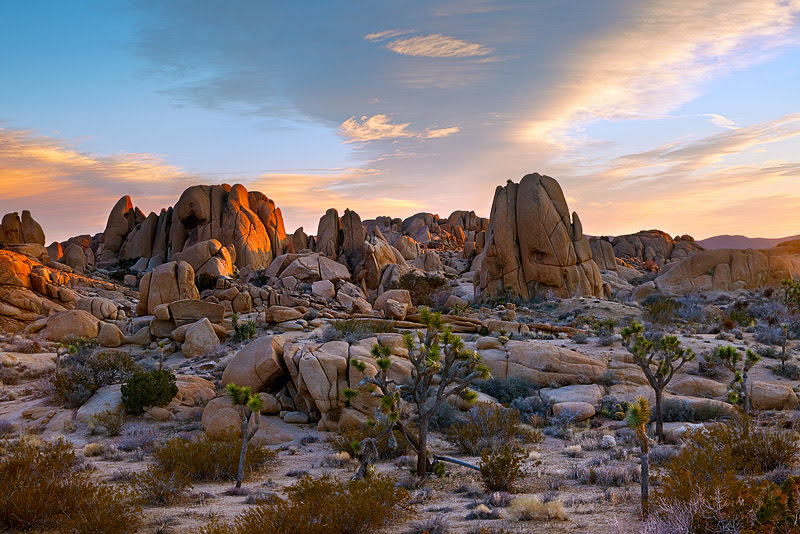
Joshua Tree National Park wakes to a fresh pulse in spring, when desert scrub and twisted Joshua trees stretch beneath skies that rarely stay still. Hiking here between March and May means stepping into a landscape fiercely alive yet tempered by mild warmth and the promise of wildflower blooms. Trails like Hidden Valley or Ryan Mountain deliver a balanced challenge: moderate distances around 1.5 to 3 miles one way, elevation gains ranging from 300 to near 1,000 feet, over well-marked, rocky terrain that asks steady footing but rewards with wide panoramas and intimate views of desert flora awakening.
The desert morning is a living entity—cool air nudges you forward, while rocks warmed by the rising sun hold their heat close. Joshua trees stand like time-worn guardians, their spiky branches whispering stories as you move through forested patches that shift suddenly to open plains. This environment isn’t tame; it demands respect, patience, and preparation. Hydration is not optional—carry at least two liters per person to meet the dry air’s thirst. Footwear should be sturdy with good ankle support, ready to handle uneven rock and occasional sand patches that can trip the unprepared.
Timing your hike early in the day lets you beat the heat that will climb steadily by late morning, with the sun pushing hard against bare rock and exposed slopes. Spring days offer an ideal window—temperatures are comfortable but can shift quickly toward hotter highs as the season advances, especially by mid-May. Wildflowers along trails and blooming cacti offer bright spots of color, but water sources remain scarce, so rely on your pack, not the environment.
Prepare for variable wind that can gust unpredictably across open sections, carrying fine dust that dares you to shield your eyes. Sunscreen and a wide-brimmed hat become essential barriers. Your pace should reflect awareness of the land’s pace—intent, unhurried, measured. Deserts don’t yield easily but reward the hiker who reads their rhythm, treats their features with caution, and embraces the sharp clarity the landscape offers.
Spring transforms Joshua Tree into a practical yet vivid playground where hikers from casual walkers to hardened adventurers can find space to connect—with challenge, with solitude, and with a terrain that is rigorously itself. This is not a place for grand gestures but for steady motions, careful steps, and an open gaze that finds power in the stark and beautiful details.
Nearby Trips
All Adventures
Boat Charters
Water Activities
Adventures near Twentynine Palms
Discover the unique and memorable adventures that make Twentynine Palms special.
Frequently Asked Questions
When is the best time of day to hike in Joshua Tree during spring?
Early morning, between 6 a.m. and 9 a.m., is ideal to enjoy cooler temperatures and avoid the intense midday sun that heats exposed desert terrain.
Are water sources available on Joshua Tree trails in spring?
No, natural water sources in Joshua Tree are scarce year-round. Always carry sufficient water and plan your refills before and after hikes.
What wildlife might I encounter on a spring hike in Joshua Tree?
Look for desert animals like black-tailed jackrabbits, desert tortoises emerging from hibernation, and a variety of birds including cactus wrens and roadrunners.
Which Joshua Tree trails are best for spring wildflower viewing?
Hidden Valley and Barker Dam trails often showcase vibrant wildflowers and blooming cacti during spring, providing colorful contrasts against the rocky landscape.
Is it safe to hike alone in Joshua Tree during spring?
While many hikers go solo, it's essential to tell someone your plan, carry a map or GPS, and be prepared for sudden weather changes. Spring conditions are forgiving, but desert environments always demand caution.
What cultural or historical sites should I look for around Joshua Tree while hiking?
Barker Dam features an old reservoir built by early cattle ranchers, and petroglyphs near the Indian Cove area offer glimpses into the Native American heritage embedded in the park.
Recommended Gear
Hydration Pack or Water Bottles
Keeps you hydrated in dry desert air; aim for at least 2 liters capacity to prevent dehydration.
Hiking Boots
Offers ankle support and grip on rocky and sandy trail sections common in Joshua Tree.
Sun Protection (Hat and Sunscreen)
Blocks strong UV rays and protects skin and eyes from harsh spring sunlight and wind-driven dust.
Lightweight Layered Clothing
Allows adjustment for cool mornings turning warmer by afternoon; also protects against wind chill.
Local Insights
Hidden Gems
- "Wall Street Mill - an abandoned gold milling site with historic machinery"
- "Cap Rock - a lesser-known climbing and viewpoint spot less crowded in spring"
Wildlife
- "Desert bighorn sheep"
- "Chuckwalla lizards"
- "Greater roadrunner"
History
"The park's landscape holds stories of early miners, ranchers, and Native American tribes who navigated these challenging lands long before it became a protected area."