Timing Strategies For Optimal Family Rock Climbing With Young Kids In Joshua Tree National Park
Joshua Tree National Park’s terrain offers family-friendly rock climbing that balances adventure with safety. Master timing your climbs—choosing cooler hours and seasons—to ensure young kids enjoy the rugged beauty without overheating or fatigue.
Start Climbing Early or Late in the Day
Plan climbs before 8 AM or after 4 PM to avoid the desert’s extreme midday heat, minimizing risks of dehydration and sunburn for young kids.
Bring Ample Water and Sun Protection
Each family member should carry at least a liter of water; pair this with hats and sunscreen due to intense desert sun exposure.
Choose Short Approach Routes Under a Mile
Select climb routes near parking areas like Hidden Valley or Barker Dam to limit fatigue and maintain energy for the climb itself.
Pack Proper Footwear for Both Trails and Rocks
Lightweight climbing shoes with strong grip for the rock and sturdy hiking boots for approach trails offer safety and comfort for kids.
Timing Strategies For Optimal Family Rock Climbing With Young Kids In Joshua Tree National Park
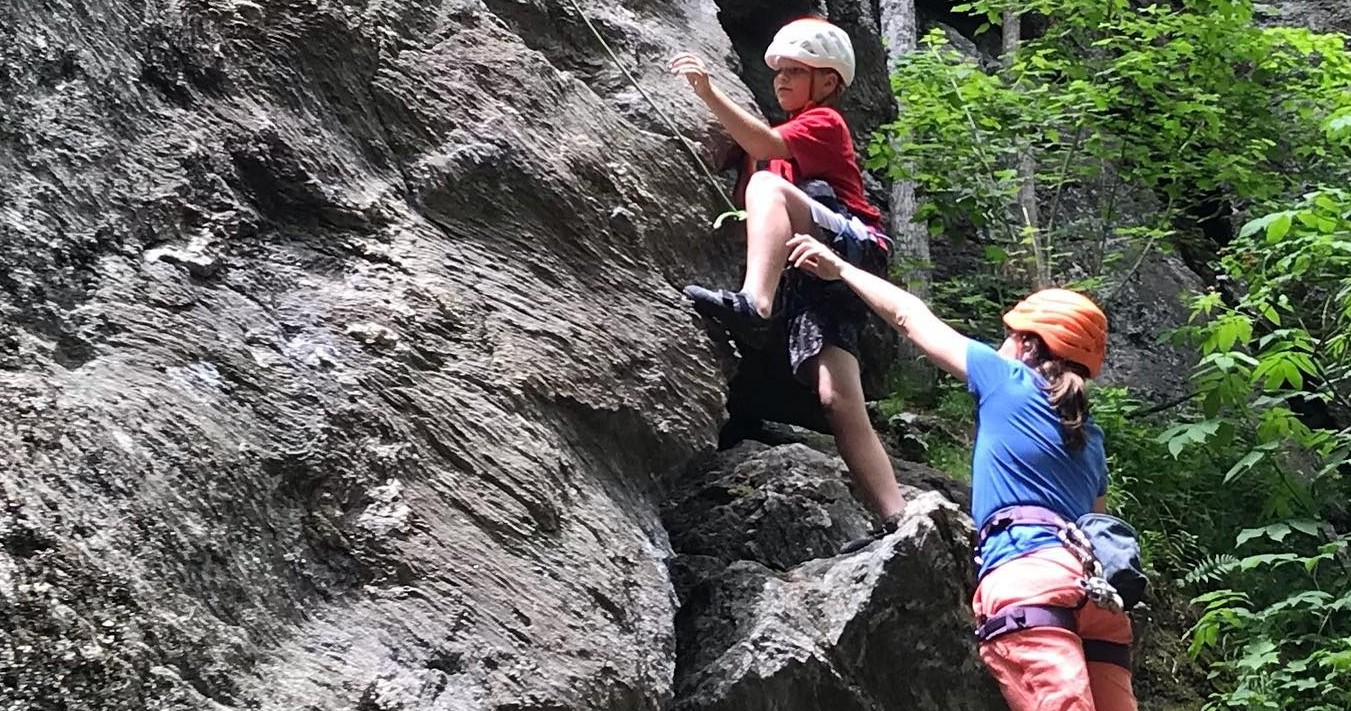
Family Rock Climbing — Half Day
All Ages • 4 Hours • Family bonding!
Discover an exciting family rock climbing experience in Bartlett, New Hampshire, perfect for all ages and skill levels. Guided by expert instructors, this half-day adventure combines fun, learning, and mountain views that your family will never forget.
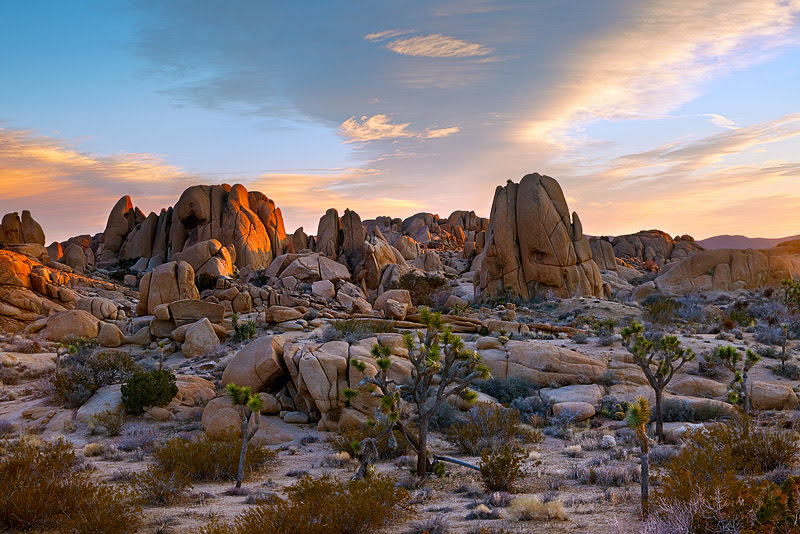
Joshua Tree National Park offers a unique playground where rugged boulders and towering monzogranite formations dare families to test their climbing skills. When climbing with young kids, timing is crucial—not just the time of day, but also season and daily rhythm—to ensure the adventure remains safe and enjoyable. The park’s accessible climbing spots range from short scrambles to gentle slab climbs, making it ideal for families seeking a manageable challenge amid arid desert beauty.
Plan your climb early in the morning or late afternoon to avoid the harsh midday sun. The desert rocks absorb and radiate heat quickly, and children are more vulnerable to overheating and dehydration. Starting before 8 AM lets you greet the cool morning air while the Joshua trees stretch their twisted arms against a rising sun. Elevation varies modestly—most beginner areas are around 3,000 to 4,000 feet, with terrain that blends rock plates and sandy paths.
Choose routes with moderate length, usually between 50 to 200 feet of climbing, located near shaded rest spots or trees. The Hidden Valley and Barker Dam areas provide these features, with easy access from main roads and shorter approach hikes under a mile. Trails here wind through desert flora—creosote bushes whisper in the breeze and cholla cacti punctuate the sandy earth, creating natural boundaries and rest points. Keep a steady pace and check often for signs of fatigue or distress in young climbers.
Bring lightweight climbing shoes with good grip and supportive hiking boots for approach trails. Hydration is non-negotiable; each family member should carry at least one liter of water. Sunscreen and hats are essential to guard against intense UV exposure. Timing water breaks with shaded pauses helps prevent heat stress and keeps spirits high.
Late spring and early fall offer the best weather windows with mild daytime temperatures and cool evenings. Summer climbs can be risky as the sun beats down fiercely, and winter mornings can bring chilly rock surfaces, slowing warmed muscles and increasing slipping hazards.
The climb is not about conquering the rock but engaging with its steady, unyielding presence. Watching a child find their foothold on an uneven surface mirrors the park's blend of strength and subtlety—a moment worth coming prepared for, in timing and gear.
With the right timing strategies, family rock climbing in Joshua Tree becomes more than a challenge; it’s an accessible adventure that introduces children to the rhythms of the desert—each step and grip a dialogue with the landscape itself.
Nearby Trips
All Adventures
Boat Charters
Water Activities
Adventures near Twentynine Palms
Discover the unique and memorable adventures that make Twentynine Palms special.
Frequently Asked Questions
What age is appropriate for kids to start rock climbing in Joshua Tree?
Children as young as 5 can try simple bouldering and easy routes with proper supervision and gear. Prioritize short, shaded climbs with minimal vertical exposure to maintain safety and interest.
Are there guided family-friendly climbing tours available?
Yes, several local companies offer guided climbs tailored to families, providing instruction and equipment rental to ensure a safe, engaging experience for young children.
How can we avoid heat exhaustion while climbing with kids?
Schedule climbs during cooler parts of the day, monitor hydration closely, take frequent breaks in shade, and watch for early signs like fatigue and irritability.
What wildlife might we see near climbing trails?
Expect to spot desert tortoises cautiously crossing sandy patches, curious rock squirrels darting among boulders, and birds like the cactus wren singing from branches.
Are there any special environmental guidelines families should follow?
Yes, practice Leave No Trace: stay on established paths, avoid disturbing cactus plants, pack out all trash, and respect wildlife habitats to maintain the park’s fragile ecosystem.
What’s a good nearby spot to picnic after climbing?
Hidden Valley Picnic Area offers shady tables and restroom facilities—ideal for recharging with kids while remaining close to the climbing sites.
Recommended Gear
Climbing Shoes
Provide proper grip on rock surfaces allowing kids to climb safely and confidently.
Base Layers / Lightweight Layers
Protect against fluctuating desert temperatures in cooler seasons, ensuring comfort on early climbs or late afternoons.
Hydration Pack or Water Bottles
Necessary to stay hydrated in the dry desert air, especially critical for young climbers.
Sun Hat and Sunscreen
Shield skin and eyes from harsh UV rays during longer exposure under the sun.
Local Insights
Hidden Gems
- "Cholla Cactus Garden — a distinctive patch where young adventurers can marvel at glowing spiny arms during sunrise."
- "Cap Rock Trail — a short loop with unique rock formations and often overlooked panoramic views."
Wildlife
- "Desert Tortoise"
- "Common Raven"
- "Sidewinder Rattlesnake (observed from a safe distance)"
- "Cactus Wren"
History
"Joshua Tree was originally inhabited by indigenous peoples who respected its harsh environment, with 20th century miners and homesteaders leaving subtle marks among its boulders."