
Timing Considerations for Off-Trail Hikes and Climbs in Joshua Tree
Off-trail hiking and climbing in Joshua Tree require keen timing and respect for the desert’s temperature swings and terrain challenges. Understanding the best windows to move through this fiercely beautiful landscape ensures safer, more rewarding adventures.
Start Early to Beat the Heat
Begin your off-trail explorations before 7 a.m. to maximize cooler temperatures and stable footing on rocks and sand.
Hydrate Strategically
Carry at least three liters of water per person, adjusting for length and difficulty of the hike; water sources are scarce off-trail.
Prepare for Rapid Weather Changes
Pack layers for cold desert nights and wind; temperatures can drop drastically after sunset even in milder seasons.
Bring Navigation Aids
Off-trail routes lack markings; a compass, GPS, and topographic maps are critical to avoid disorientation.
Timing Considerations for Off-Trail Hikes and Climbs in Joshua Tree

Hike & Climb
All Ages! • 8 Hours • Up to 7 people!
Discover the breathtaking beauty of Joshua Tree with a private Hike & Climb adventure. Experience rugged trails, stunning rock formations, and beginner-friendly climbing guided by expert instructors. Perfect for outdoor lovers seeking a personalized desert experience.
Joshua Tree’s sprawling desert and granite monoliths invite off-trail adventurers to test their navigation and climbing skills away from marked paths. Timing your journey here isn’t just a matter of convenience; it’s a strategic interaction with the environment’s powerful forces. Temperatures swing aggressively, daylight changes fast, and the terrain itself demands respect—this dance between you and the desert sets the tone for every step and scramble.
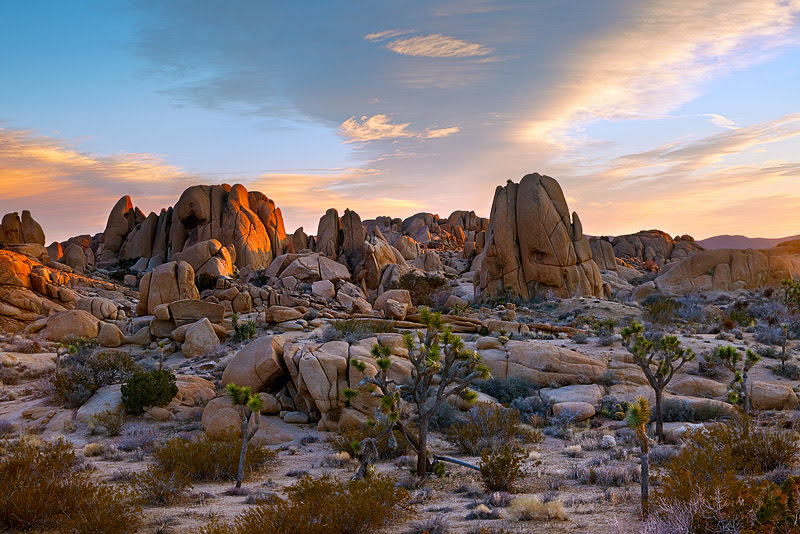
Off-trail routes in Joshua Tree often cover distances of 5 to 10 miles with elevation gains anywhere from 500 to 1,200 feet, depending on your target formation or ridge. The terrain shifts relentlessly—hard-packed sands give way to rock fields, boulder scrambles, and sparse Joshua tree clusters, each element daring you forward or forcing a tactical pause. Knowing when to move means balancing natural light, heat, and personal energy.
Start early, ideally between 6 and 7 a.m., to catch the desert before it inflames under the midday sun. The cool hours permit safer footing on slick rock and allow hydration to stretch farther through your journey. Midday heat often pushes the desert into a fierce, unforgiving furnace where water loss accelerates and shadows vanish beneath you. Off-trail, shade is rare—the Joshua trees themselves throw sparse shade, but the sun’s intensity commands respect. Plan to retreat or rest in shaded crevices from 11 a.m. to 3 p.m.
As the afternoon wanes, temperatures ease, and the wind wakes up. Gusts can blow sand and dust, so lightweight yet protective clothing becomes essential. This late window, from around 3 p.m. until sunset, offers natural lighting that sharpens contours and contrasts on rocky faces—perfect for assessing your next move or capturing moments. Keep an eye on the time; desert darkness falls rapidly and can turn the landscape fierce and disorienting.
Avoid off-trail hiking during summer’s peak (June through September) unless you are exceptionally experienced with desert survival. The heat climbs past 100°F, and the sun will feel like a relentless overseer pressing down. In winter months, temperatures drop sharply after sundown. The desert “cools to a fierceness” that demands layers and proven navigation skills as your path can be obscured by cold-shattered rocks or intermittent patches of frost.
Hydration strategy must reflect timing—carry at least three liters per person for day trips, more if you plan to explore far off established routes. Footwear should grip both rock and sand, with sturdy soles and ankle support to manage varied footing. A headlamp is crucial after late hikes, and always keep a map and compass or GPS handy, given the absence of marked trails.
Ultimately, timing in Joshua Tree is an engagement with a desert that’s fiercely itself: unpredictable, thrilling, and carrying its own clock. Respect its signals, move with intention, and the wildness will unfold beneath your feet, rewarding your prudence with expansive views and quiet solitude few get to know.
Nearby Trips
All Adventures
Boat Charters
Water Activities
Adventures near Twentynine Palms
Discover the unique and memorable adventures that make Twentynine Palms special.
Frequently Asked Questions
Why is timing so critical for off-trail hikes in Joshua Tree?
Joshua Tree’s desert environment is marked by extreme temperature fluctuations and intense sun exposure. Proper timing helps avoid dangerous heat, cold, and areas where navigation is more challenging due to low light or terrain conditions.
What are some lesser-known risks when hiking off-trail in Joshua Tree?
Beyond heat and dehydration, risks include disorientation due to poor trail markings, sudden wind gusts that can blow sand into eyes, and rockfalls in areas with unstable boulders. Wildlife encounters with snakes or scorpions are also possible.
Are there specific time windows recommended for climbing off-trail formations?
Early morning to mid-morning hours are best for climbing when rock surfaces are cooler and grip is more reliable. Late afternoon climbs can be enjoyable but require caution against falling darkness and cooling temperatures.
How does seasonal change affect off-trail navigation?
Seasonal shifts affect daylight length and terrain conditions—spring rains can make some routes muddy, while winter frost may cause slippery rocks. Planning navigation around these factors reduces risks.
Can I rely on GPS devices alone for off-trail hikes here?
While GPS devices are very helpful, they should be supplemented with maps and a compass. Signal loss can occur in deep canyons or near large rock formations, so multiple navigation tools are advisable.
What plants or animals should I watch for during off-trail hikes?
Look for blooming desert wildflowers in spring, territorial desert tortoises, and quick-moving lizards. Keep an eye out for rattlesnakes especially in warmer months, and respect wildlife space.
Recommended Gear
Hydration Pack
A hydration pack with a minimum of 3 liters capacity lets you carry enough water to stay hydrated in the desert’s thirsty expanse.
Approach Shoes or Trail Runners
Footwear with aggressive soles provides traction on rocky slabs and sand, critical for safely negotiating Joshua Tree’s diverse terrain.
Layered Clothing
Temperatures swing sharply; moisture-wicking base layers topped with windproof jackets keep you comfortable through cold mornings and windy afternoons.
LED Headlamp
Daylight fades quickly in the desert; a reliable headlamp ensures safe navigation if your off-trail trek extends near dusk or dark.
Local Insights
Hidden Gems
- "Barker Dam's off-trail rock formations"
- "Hidden valley’s unobtrusive viewpoints"
- "Skull Rock area boulder clusters"
- "Wall Street Mill ruins"
Wildlife
- "Desert tortoise"
- "Chuckwalla lizards"
- "Rattlesnakes"
- "Golden eagles"
History
"Joshua Tree has long been a crossroads for native peoples such as the Serrano and Cahuilla, with many ancient sites. The area’s mining history, exemplified by Wall Street Mill, offers insight into early 20th-century desert lifestyles."