Preparing Young Children for Family Rock Climbing Adventures in Joshua Tree National Park
Joshua Tree National Park is a perfect family destination for introducing young children to rock climbing, offering accessible routes amidst vast granite formations and an environment that invites curiosity and challenge. This guide equips you with practical tips to prepare your kids for a safe and engaging climbing experience in one of California's most iconic desert landscapes.
Choose beginner-friendly routes
Stick to climbing spots like Hidden Valley or Barker Dam with easy access and gentle elevation to keep young children comfortable and motivated.
Start early to avoid heat
Begin climbs before 9 a.m. to enjoy cooler temperatures and reduced risk of sunburn or dehydration for kids.
Use proper child-specific gear
Ensure helmets and harnesses fit snugly on smaller frames; ill-fitting gear compromises safety and confidence.
Pack hydration and nutritious snacks
Bring at least a liter of water per child and quick energy-boosting foods like dried fruits or granola bars to sustain focus.
Preparing Young Children for Family Rock Climbing Adventures in Joshua Tree National Park
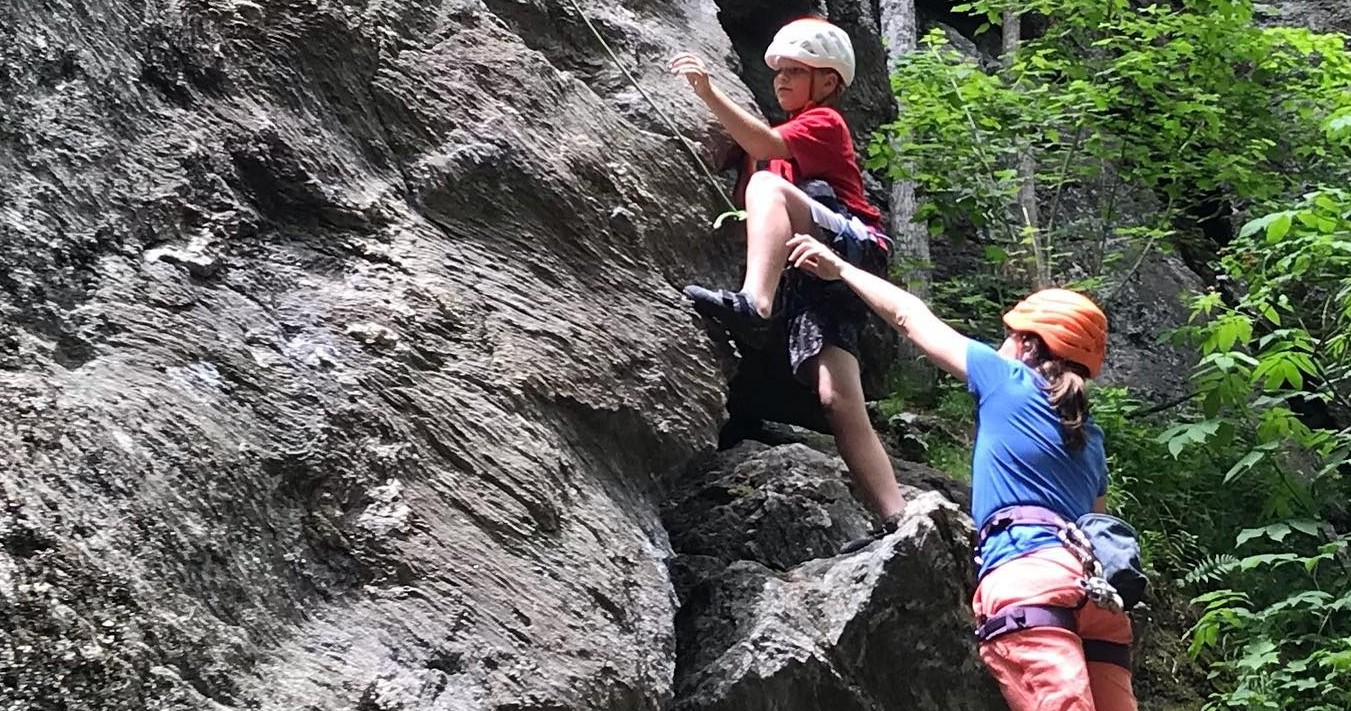
Family Rock Climbing — Half Day
All Ages • 4 Hours • Family bonding!
Discover an exciting family rock climbing experience in Bartlett, New Hampshire, perfect for all ages and skill levels. Guided by expert instructors, this half-day adventure combines fun, learning, and mountain views that your family will never forget.
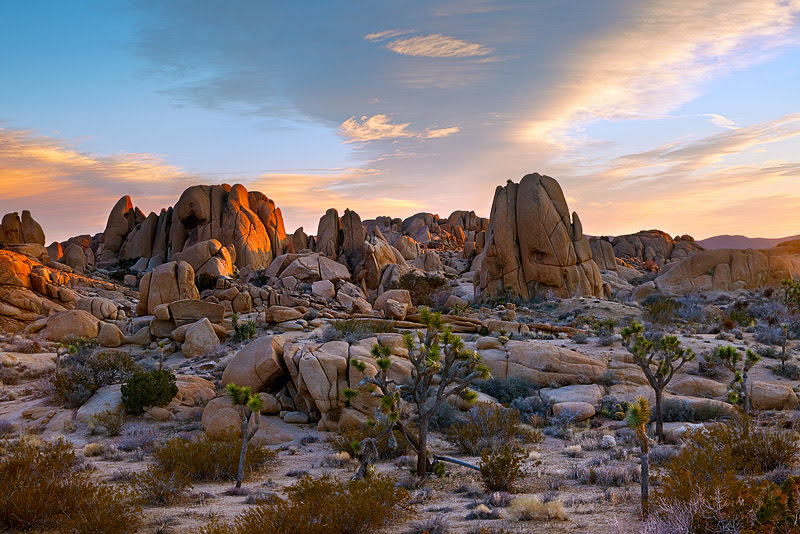
Joshua Tree National Park offers an iconic backdrop for family rock climbing, where colossal boulders and stout granite slabs become playgrounds that invite exploration. For families introducing young children to the vertical world, preparation is key to ensuring a safe, enjoyable outing that balances challenge and fun. The park’s climbing routes vary dramatically in difficulty and length, with some beginner-friendly spots like Hidden Valley and Barker Dam area featuring shorter approaches of under a mile and manageable elevation gains around 100 to 200 feet. Terrain here shifts from sandy washes to rough granite, requiring sturdy footwear and attentive pacing to tackle uneven surfaces.
Start by familiarizing kids with basic climbing techniques on flat ground before tackling real routes. Invest in child-sized helmets and harnesses to match smaller frames, and choose climbing routes with gentle gradients and plenty of natural rests. The granite slabs of Joshua Tree have cracks and ledges wherever young hands can find grip but always be ready to offer encouragement and support—many of these rocks seem to challenge visitors to focus and move deliberately, as if the desert itself is testing resolve.
Timing your climb to avoid the fierce midday sun is crucial. Morning starts, preferably before 9 a.m., capitalize on cooler temperatures and softer light that lets the climbing holds reveal themselves without glare. Bring ample water—at least a liter per child—and pack snacks that sustain energy with quick carbs, like dried fruit or granola bars. Shoes should be closed-toed, with good traction to handle the coarse granite and occasional sandy footing.
Encourage frequent breaks not only for hydration but to absorb the desert’s quiet force. Joshua Tree’s cacti seem to watch from every angle, resilient and patient, offering lessons in endurance. Remind young climbers that rock climbing is a conversation between body and environment; it requires patience, respect, and steady effort. Safety protocols, such as verbal commands during climbs and clear communication about risk areas, should be practiced as part of the routine.
Incorporate storytelling to make the experience vivid: the way boulders “stand guard” over trail intersections or how the wind “whispers” through the twisted branches of the Joshua trees themselves. These narrative elements keep children engaged and attentive to their surroundings.
Ultimately, the goal is to plant seeds of confidence, adaptability, and respect for nature’s tougher challenges. Each climb is a step toward mastering balance, both physical and mental, set against a landscape that never fails to inspire. With the right preparation, family rock climbing in Joshua Tree becomes a rewarding venture—equal parts adventure and lesson in practical wilderness skills.
Nearby Trips
All Adventures
Boat Charters
Water Activities
Adventures near Twentynine Palms
Discover the unique and memorable adventures that make Twentynine Palms special.
Frequently Asked Questions
What is the best age to start rock climbing with children at Joshua Tree?
Children aged 5 and above can start simple climbing activities with close adult supervision. Their physical coordination improves around this age, allowing safe participation on beginner routes.
Are there guided climbing tours for families in Joshua Tree?
Yes, several local guides and outfitters offer family-friendly guided climbs that provide instruction and gear rentals tailored for young climbers.
How do I manage sun protection for kids during climbs?
Use broad-spectrum sunscreen with at least SPF 30, dress children in light, long-sleeve clothes, hats, and UV-protective sunglasses. Favor shaded rest spots when possible.
What wildlife should families be aware of while climbing?
Joshua Tree is home to lizards, birds like the cactus wren, and small mammals. Rattlesnakes may be present; teach kids to avoid tall grass and rock crevices.
Is the terrain kid-friendly on popular climbing trails?
Popular areas such as Hidden Valley have smooth granite with many natural handholds, but caution is required on sandy and uneven parts. Frequent stops and steady pacing help navigate safely.
Are there restrictions or permits needed for family climbing activities?
No permits are typically needed for day climbs, but be sure to check park updates for any temporary closures or group size limits to preserve the environment.
Recommended Gear
Child-sized climbing helmet
Protects the head from falls and falling debris; proper fit is crucial for safety.
Climbing harness (child-sized)
A well-fitted harness ensures control and security while climbing.
Approach shoes with grip
Shoes with good traction support walking on rocky and sandy terrain.
Hydration pack or water bottles
Carrying sufficient water helps prevent dehydration in the dry desert environment.
Local Insights
Hidden Gems
- "Wall Street Mill for a blend of history and easy hiking nearby."
- "Skull Rock’s lesser-known formations offer fun photo ops away from crowds."
Wildlife
- "Desert tortoise, elusive but a symbol of the park’s fragile ecosystem."
- "Golden eagles soaring overhead, signaling a healthy raptor population."
History
"Joshua Tree was once a crossroads for miners and homesteaders, with relics like old mills and cabins sprinkled throughout, offering context and a glimpse of desert survival."