
Essential Packing for Off-Trail Joshua Tree Hikes: Gear Up for Rugged Adventure
Venture beyond marked paths in Joshua Tree to experience a raw desert adventure where rugged terrain and unyielding sun define every step. This guide equips hikers of all levels with practical packing tips and safety advice to confidently explore off-trail routes in California’s iconic desert landscape.
Hydration Is Paramount
Carry at least three liters of water for a half-day off-trail hike; desert air steals moisture quickly, and natural water sources are nonexistent.
Wear Rugged, Supportive Footwear
Choose boots with aggressive tread and ankle support to handle uneven, rocky terrain and prevent injuries during scrambling.
Start Early to Avoid Heat
Begin hikes before sunrise to dodge the midday desert heat and maximize comfortable travel in cooler conditions.
Pack Navigation Tools
Bring a detailed physical map and a GPS device or compass, as off-trail routes have no markers and can easily confuse hikers.
Essential Packing for Off-Trail Joshua Tree Hikes: Gear Up for Rugged Adventure

Private Morning Hike
All Ages! • 6 Hours • Up to 7 people
Experience the serenity of Joshua Tree with a private morning hike that offers stunning vistas and personalized guidance. Perfect for nature lovers and adventure seekers alike, this guided trek is a peaceful way to start your day in the desert.
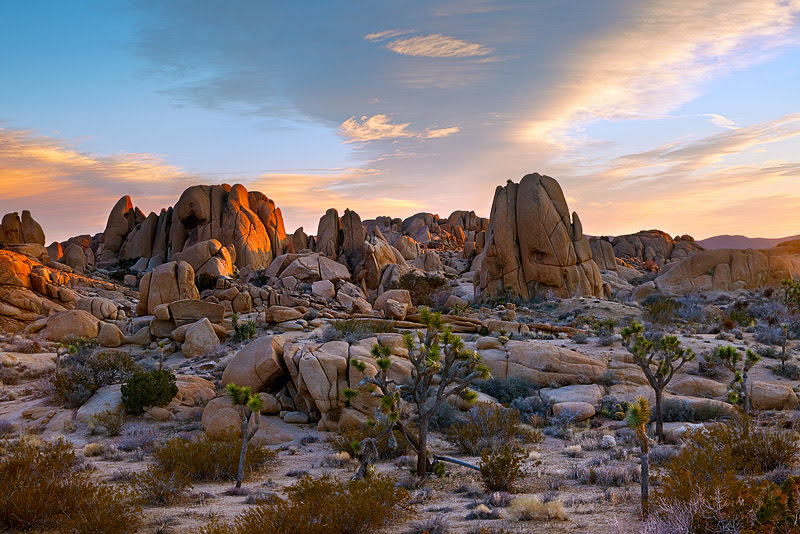
Joshua Tree’s backcountry calls to those who prefer paths untamed, where boulders and scrub challenge footing and horizons shift with every sure-footed step. Off-trail hikes here aren’t just about distance—they test your preparation and respect for a landscape fiercely itself. Expect jagged rock formations and brittle desert brush, with sandy stretches that cling stubbornly to your boots. Elevations vary, commonly between 1,400 and 3,000 feet, with elevation gains sometimes exceeding 800 feet over several miles of unmarked terrain. Ground conditions are uneven, ranging from rocky inclines to loose, sun-warmed dirt that seems to dare you to stay balanced.
Start early to beat the desert’s midday blaze; Joshua Tree’s sun is relentless. The dry air offers little forgiveness, demanding that hydration be your constant companion. Plan to carry a minimum of three liters of water per person. Sturdier hiking boots with aggressive soles are non-negotiable—trail runners won’t hold up well when scrambling over sharp volcanic rocks or prickly cacti-filled flats.
Packing light but smart is key. Layering helps combat the temperature swings from brisk mornings to roasting afternoons, while a sunhat and SPF-protected clothing guard skin from an unforgiving sun that seems to watch, judging the unprepared. Navigation aids are vital here: a detailed map and a reliable compass or GPS device prevent you from becoming another lost shadow in these sprawling expanses.
Bring a small first-aid kit tailored for desert scrapes and bites. Gloves can protect hands from fox-tail grasses and thorny surprise guests. Nutrition should include high-energy bars and salty snacks to replenish burned calories and electrolytes.
Off-trail hiking in Joshua Tree demands attention to detail and respect for the environment. This desert doesn’t yield its beauty freely—it challenges, it pushes forward, and sometimes, it retreats, inviting you to meet it on its terms. Gear up right, travel light but prepared, and you’ll earn moments of silence broken only by shifting rocks and distant winds—a reward for those willing to immerse fully in one of California’s wildest places.
Nearby Trips
All Adventures
Boat Charters
Water Activities
Adventures near Twentynine Palms
Discover the unique and memorable adventures that make Twentynine Palms special.
Frequently Asked Questions
Are there marked trails for off-trail hiking in Joshua Tree?
By definition, off-trail hiking means traveling outside marked paths. Joshua Tree’s official trails are well marked, but venturing off requires self-navigation skills. Always prepare with detailed maps and GPS devices to stay oriented.
What wildlife should hikers be aware of off-trail?
Joshua Tree shelters desert bighorn sheep, black-tailed jackrabbits, rattlesnakes, and coyotes. Maintain awareness, especially near rocky outcrops where snakes may sun themselves.
Is camping allowed in off-trail areas?
Dispersed camping is permitted in many parts of Joshua Tree, but campers must follow Leave No Trace principles and avoid fragile desert plants. Check regulations before setting up away from official sites.
How can hikers minimize environmental impact when going off-trail?
Stick to durable surfaces when possible, avoid trampling vegetation, and pack out all trash. Off-trail travel requires heightened care to preserve the desert’s delicate ecosystem.
Are cell phones reliable for navigation in Joshua Tree?
Cell service is patchy or non-existent in much of Joshua Tree, especially off-trail. Don't rely solely on phones; carry physical maps and a compass or GPS device.
What are the best times to photograph Joshua Tree off-trail?
Early mornings and late afternoons provide the best light, casting long shadows and emphasizing the rugged landscape. Winter months offer clearer skies and less atmospheric haze.
Recommended Gear
Hydration Pack or Water Bottles
Ensures you carry enough water to maintain hydration; required due to lack of natural water sources.
Sturdy Hiking Boots
Protects feet and ankles from sharp rocks and uneven ground.
Sun Protective Clothing
Long sleeves, wide-brim hats, and SPF protect you from intense desert sun exposure.
Navigation Tools (Map, Compass, GPS)
Off-trail routes lack signage; navigation tools keep you on track and safe.
Local Insights
Hidden Gems
- "Barker Dam's lesser-known rock shelters accessible off-trail"
- "Split Rock formation's quiet alcoves"
- "Remote panoramic viewpoints near Ryan Mountain not marked on common maps"
Wildlife
- "Desert tortoises, often elusive but active in spring"
- "Greater roadrunners darting through brush in cooler hours"
- "Nocturnal bobcats that silently patrol after sunset"
History
"Joshua Tree was historically inhabited by the Serrano, Cahuilla, and Chemehuevi tribes, who lived in harmony with the desert's rhythms and trails. Later, miners and homesteaders left a patchwork of relics scattered across the park."