Navigating Accessibility for Families of All Mobilities at Joshua Tree Climbing Spots
Joshua Tree National Park balances dramatic desert climbing with accessible trails that embrace families of all mobility levels. This guide highlights practical routes and tips to help everyone engage with the park’s unique terrain safely and enjoyably.
Hydrate Constantly
Desert air drains moisture silently; carry at least 2 liters per adult and more for kids, refilling whenever possible.
Choose Footwear with Traction
Trails combine sand, loose rocks, and granite—you need shoes that grip uneven terrain to reduce slipping.
Visit Early or Late
Temperatures are more bearable in the mornings or late afternoon, reducing sun exposure risks and enhancing comfort.
Plan Rest Stops
Use picnic areas and shaded spots to regroup, especially useful for families with differing stamina levels.
Navigating Accessibility for Families of All Mobilities at Joshua Tree Climbing Spots
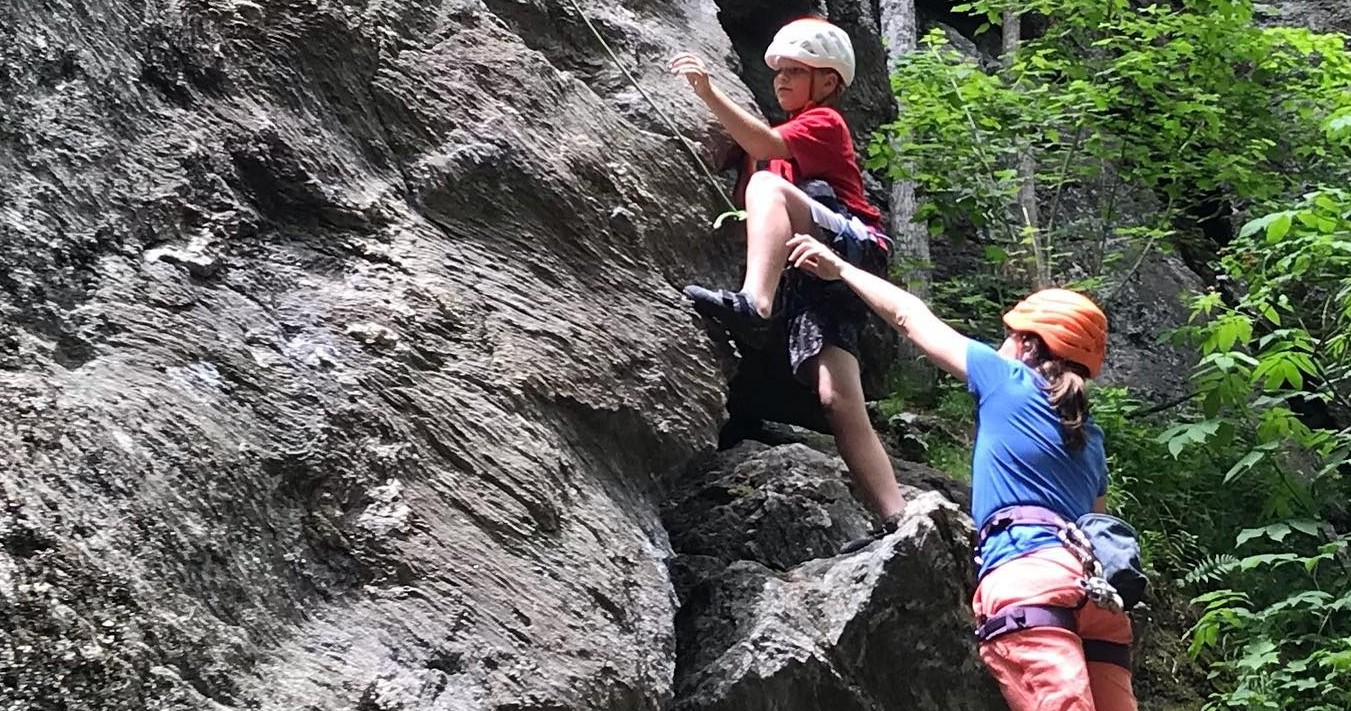
Family Rock Climbing — Half Day
All Ages • 4 Hours • Family bonding!
Discover an exciting family rock climbing experience in Bartlett, New Hampshire, perfect for all ages and skill levels. Guided by expert instructors, this half-day adventure combines fun, learning, and mountain views that your family will never forget.
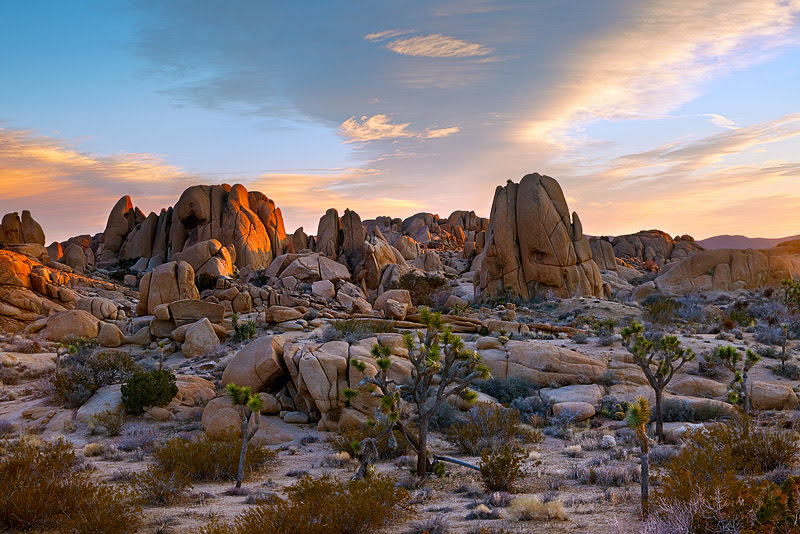
Joshua Tree National Park offers an iconic climbing landscape shaped by granite monoliths and vast desert expanses. For families with members of varying mobility, it presents both thrilling opportunities and logistical challenges. This guide focuses on practical access and inclusive adventure, ensuring everyone stays engaged and safe.
Start with the Barker Dam Nature Trail, a 1.3-mile loop characterized by compact dirt paths and minimal elevation change (approximately 50 feet). It features smooth sections suitable for wheelchairs or those with limited mobility. The trail winds through juniper and pinyon pines, with boulders daring you to explore, and the calm reservoir reflecting a relentless sun above.
Next, the Hidden Valley Picnic Area offers climbing routes approachable with short rugged walks—about 0.2 miles—to several low-angled formations. The terrain here is slightly uneven but manageable with sturdy footwear or walking aids. Families can relax at the picnic site equipped with shaded tables, letting younger adventurers or less mobile members watch as others tackle beginner cracks and slabs.
For those eager to get closer to climbing action without tricky terrain, the Barker Dam Parking Lot provides access to some beginner-friendly climbs spotted within easy reach through a 0.1-mile stretch of a sandy, well-maintained trail. The desert winds here reshape the sand continuously, inviting a tactile, shared encounter with the environment.
Planning is key: bring plenty of water, layered clothing for fluctuating desert temperatures, and consider visiting early mornings or late afternoons when the sun dips low enough to temper the heat without compromising visibility. Footwear with good grip aids those navigating rocky or loose surfaces.
Be aware of seasonal fluctuations—summer heat can be fierce, rendering some routes unsafe for children or those with health considerations. In cooler months, mornings carry a brisk chill, and winter hoverflies become an unexpected presence, humming alongside visitors.
By combining shorter walks, accessible climbs, and rest opportunities at shaded picnic areas, Joshua Tree offers a climbing experience that respects varied family capabilities. Engage with the desert's fierce, raw personality without compromising comfort or safety. This approach transforms an adventure into a shared story, where every step forward feels earned and celebrated.
Nearby Trips
All Adventures
Boat Charters
Water Activities
Adventures near Twentynine Palms
Discover the unique and memorable adventures that make Twentynine Palms special.
Frequently Asked Questions
Are there fully wheelchair-accessible paths at Joshua Tree’s climbing areas?
While most climbing trails have natural rocky terrain, Barker Dam Nature Trail provides relatively smooth surfaces and minimal elevation changes, making it one of the most wheelchair-accessible routes near climbing spots.
What wildlife might we encounter on these routes?
Expect to see desert wildlife such as the curious desert cottontail, roadrunners darting through brush, and possibly bighorn sheep in secluded areas. Early mornings increase your chances of sightings.
Is it safe to climb during the summer months?
Summer climbs are risky due to extreme heat; it’s best to schedule outings early in the morning or late afternoon, and limit climbs to shaded or less exposed areas.
Are there any lesser-known viewpoints worth visiting nearby?
Hidden Valley’s eastern edges provide quieter vantage points overlooking labyrinth formations of boulders, often missed by the crowds but offering spectacular views.
What environmental practices should we follow to minimize impact?
Stick to established trails to protect desert cryptobiotic soils, pack out all trash including organic waste, and avoid disturbing flora and fauna to preserve Joshua Tree’s fragile ecosystem.
Can families with younger children participate safely in climbing here?
Yes, with proper planning—choose beginner routes with low heights, supervise closely, and use climbing helmets. Picnic areas provide safe resting spots between attempts.
Recommended Gear
Hydration Pack
Hands-free water access is crucial in arid heat to maintain hydration without slowing progress.
Supportive Hiking Shoes
Protects feet and offers grip on varied terrains including loose gravel and granite slabs.
Sun Hat and Sunglasses
Blocks sun glare and reduces risk of heat-related discomfort or injury.
Light Layered Clothing
Facilitates temperature regulation over fluctuating desert conditions.
Local Insights
Hidden Gems
- "Quiet dawn view at Keys View during sunrise"
- "Less-traveled slopes at the White Tank Campground vicinity"
- "Hidden petroglyph sites requiring a short hike from split rock trails"
Wildlife
- "Desert tortoise"
- "Black-tailed jackrabbit"
- "Loggerhead shrike"
History
"The park’s namesake Joshua trees were revered by native Serrano and Cahuilla peoples as guiding sentinels. Rock art and historic mining remnants offer glimpses into the layered past here."