Mastering Timing for an Unforgettable Tagalong Trek in Joshua Tree National Park
Joshua Tree’s Tagalong trails offer a dynamic desert hiking experience where timing defines comfort and connection with the land. Navigate sandy washes and rocky climbs by syncing your pace with the park’s shifting light and heat for a hike that’s as practical as it is thrilling.
Start Early to Beat the Heat
Begin your hike at sunrise to take advantage of cooler temperatures and avoid the desert’s midday intensity.
Hydrate More Than You Think
Carry at least 2 liters of water per person and drink regularly; the dry desert air accelerates dehydration.
Wear Sturdy, Breathable Footwear
Choose shoes with strong grip and ventilation to handle rocky terrain and hot sand comfortably.
Plan Breaks in Shaded Spots
Use natural shade under Joshua trees or large boulders to rest and cool down during midday heat.
Mastering Timing for an Unforgettable Tagalong Trek in Joshua Tree National Park

Tagalong
All Ages • Hourly, Daily & Weekly Rental Options!
Discover Newport Beach on two wheels with the private Tagalong bike rental experience. Perfect for adventure seekers and families, this activity offers a leisurely and scenic way to explore local sights. Read on to learn what makes this trip unforgettable!
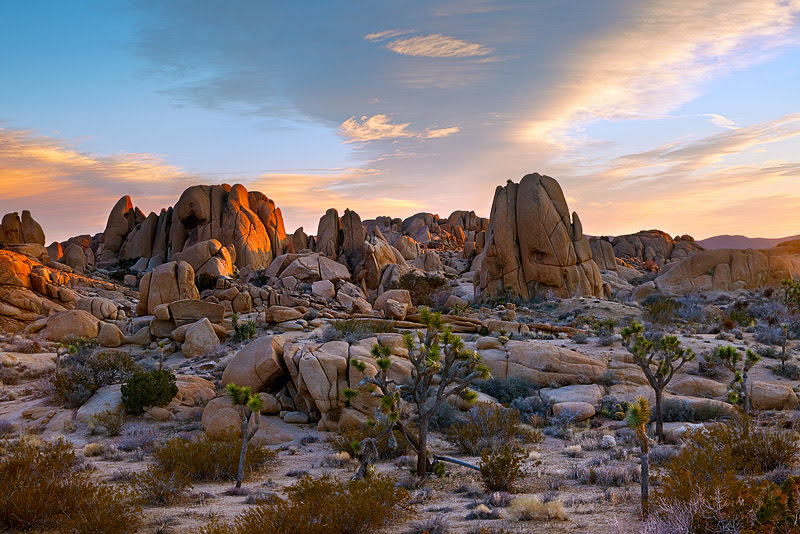
Joshua Tree National Park offers an exceptional backdrop for exploring Tagalong trails where desert meets rugged terrain. These hikes typically span 4 to 6 miles with elevation gains around 800 to 1,200 feet, crossing sandy washes and rocky inclines. The sun doesn’t just shine here; it commands pace and rhythm, urging hikers to move smartly. Starting early in the morning is your best bet—cooler temperatures and softer light make the desert’s cacti and boulders burst with detail and color, while avoiding the midday heat that the parched landscape fiercely demands respect for.
Tagalong trails challenge hikers not only physically but in timing their adventure. The desert plays its own game, with heat waves rising, winds shifting, and shade holding court only briefly beneath stubborn Joshua trees. Packing hydration with ample water—at least 2 liters per person—is non-negotiable. The dry air pulls moisture fast, turning sweat to a dry river on skin. Breathable, sturdy footwear with a firm grip is critical; blistering sand and jagged rock test your footwork with every step.
Midday hikes push you into the desert’s intensity zone, where ground radiates heat and shadows vanish. Plan for breaks in the limited sheltered spots, using these moments to cool down and assess your direction as the sun stubbornly climbs. Afternoon winds can kick up dust, daring you to maintain focus and forward momentum. The Tagalong experience rewards those who respect its rhythm and prepare to move in harmony with the terrain’s tempo.
Late afternoon brings fading light that softens the rugged landscape, revealing valleys and distant mountain lines with clarity. This timing beckons photographers and contemplative hikers alike, but be mindful of the park’s closing hours and ensure you have time to exit safely. When dusk falls, desert creatures begin their patrol—lizards on rocky outcrops, owls gliding silently. The experience turns intimate, a conversation with a world fiercely itself.
Ultimately, timing your Tagalong trek in Joshua Tree means balancing your energy, gear, and daylight with the desert’s bold personality. Preparation is your tool, respect your companion. Move early, stay hydrated, and let the desert’s pulse guide your steps. This is adventure with a sharp edge, waiting not just to be seen but understood.
Nearby Trips
All Adventures
Boat Charters
Water Activities
Adventures near Twentynine Palms
Discover the unique and memorable adventures that make Twentynine Palms special.
Frequently Asked Questions
What is the best time of day to hike Tagalong trails in Joshua Tree?
Early morning is optimal for cooler temperatures and soft light that enhances the desert’s details. Late afternoon is also good but requires careful timing to avoid hiking in the dark.
Are the Tagalong trails suitable for beginners?
The trails are moderate in difficulty with some elevation gain and uneven terrain, suitable for fit beginners or casual hikers with some stamina and proper preparation.
Is it safe to hike alone in Joshua Tree’s Tagalong area?
Hiking alone is possible, but desert conditions make it advisable to inform someone of your plans and carry navigation tools, plenty of water, and emergency supplies.
What wildlife might I encounter during the hike?
Expect to see lizards sunning on rocks, various birds including cactus wrens, and possibly jackrabbits and coyotes—animals active at different times of day.
Are dogs allowed on these trails?
Dogs are allowed but must be leashed at all times. Consider the heat and bring extra water for pets since desert conditions are harsh and dehydrating.
What preparations improve safety on Tagalong hikes?
Preparing by checking weather forecasts, carrying true desert-appropriate gear, pacing yourself with frequent hydration breaks, and respecting the park’s rules enhances safety.
Recommended Gear
Hydration Pack or Water Bottles
Ensures you carry enough water to stay hydrated in the arid climate throughout your hike.
Sturdy Hiking Boots
Provides support and grip on rocky and sandy terrain typical of Tagalong trails.
Sun Protection (hat, sunscreen, sunglasses)
Protects skin and eyes from harsh desert sunlight, especially during peak hours.
Lightweight Layered Clothing
Allows adaptation to temperature fluctuations common in desert environments.
Local Insights
Hidden Gems
- "Skull Rock at dawn reveals less crowded photo opportunities and surreal shadow plays."
- "The nearby Barker Dam offers a quiet spot where wildlife gathers in early morning."
Wildlife
- "Desert tortoises, a threatened species, live here and benefit from conservation efforts."
- "Ravens patrol the skies with curious intelligence, often watching hikers closely."
History
"Joshua Tree was historically a crossroads for Native American tribes and later miners. The park preserves petroglyphs and abandoned mining relics that reveal its layered past."