
Essential Gear for a Safe Climbing Adventure in Joshua Tree
Joshua Tree offers some of the most iconic climbing landscapes in the American Southwest, combining sheer granite faces with classic desert conditions. This guide covers the crucial gear and preparations that keep your adventure safe and enjoyable amid the park’s sharply beautiful terrain.
Hydrate Before and During Your Climb
Bring at least three liters per person. The dry desert climate accelerates dehydration, so drink consistently even if you don’t feel thirsty.
Wear Climbing Shoes with Good Traction
Joshua Tree’s granite is rough and unforgiving. Shoes with sticky rubber soles improve grip and reduce fatigue on slab and crack climbs.
Avoid Midday Sun
Plan climbs for early morning or late afternoon to avoid the harsh, direct desert sun which can overheat rock surfaces and increase risk of heat exhaustion.
Carry Basic Protection Gear
Use helmets, reliable ropes, cams, and nuts to ensure safety on traditional routes. Check all gear before your trip for desert wear and tear.
Essential Gear for a Safe Climbing Adventure in Joshua Tree

Hike & Climb
All Ages! • 8 Hours • Up to 7 people!
Discover the breathtaking beauty of Joshua Tree with a private Hike & Climb adventure. Experience rugged trails, stunning rock formations, and beginner-friendly climbing guided by expert instructors. Perfect for outdoor lovers seeking a personalized desert experience.
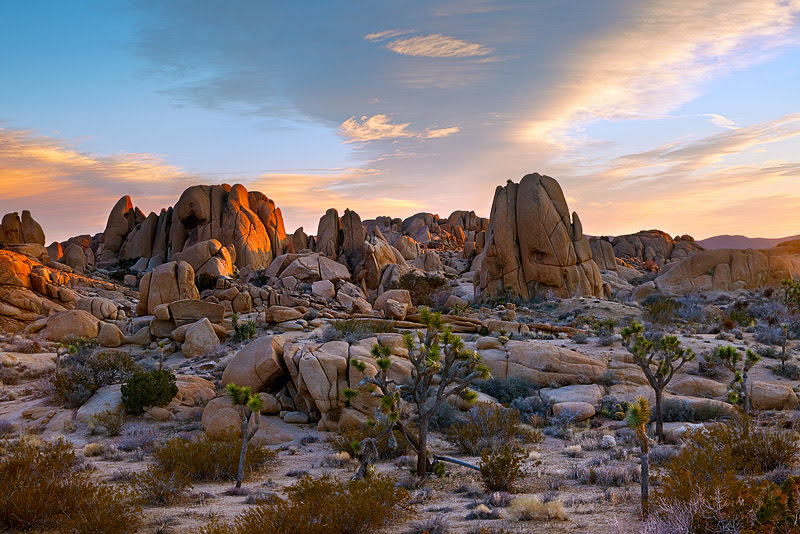
Joshua Tree National Park stands firm—unyielding and ancient—as you prepare to climb its rugged granite faces. Its boulder-strewn landscape invites every level of climber to test their limits against rock carved by time's patient hands. But with adventure’s thrill comes the necessity for caution and preparation; this is a canyon that demands respect.
Start with sturdy climbing shoes designed for friction against rough rock. The park’s famed Joshua trees, prickly and steadfast, seem to watch as you move from one slab to the next, while scrubby bushes and creosote bushes hug the terrain around you. Climbing here means engaging with steep cracks, slabby faces, and occasional chimneys often blanketed with a fine layer of desert dust that can challenge grip.
For safety, a climbing helmet is non-negotiable—protect against unexpected rockfall or slips on the sun-baked granite. Pack a harness paired with a reliable rope, one tested for desert conditions, plus cams and nuts for traditional protection. Anchors here respond to your hands and feet but behave impartially; they test but never guarantee, so redundancy in gear is your shield.
Hydration is your lifeline. The desert air, dry and insistent, pulls moisture out relentlessly. Carry at least three liters per person, and consider a hydration bladder for hands-free drinking as you ascend.
Timing your climb matters: early mornings or late afternoons provide cooler granite and softer light for grips and holds to stand out. Sun exposure is fierce midday; there’s no relief but the rare shade from juniper clusters. Dress in light layers, including UV-protective clothing, and don’t forget sunscreen—hat and gloves serve you well here.
Accessibility varies by route, but expect approaches ranging from half a mile to a few miles with 200-400 feet of elevation gain, traversing sandy washes and rocky trails. Well-marked trails ease the approach but keep a map and compass or GPS device handy; Joshua Tree’s vast, open landscape can confuse in low visibility.
Beyond gear, mental readiness counts. The park’s quiet challenges you. Each climb requires attentiveness and respect—the rock is fiercely itself, not an obstacle, but a partner that can shift your perspective. Festival of shadows, distant coyote calls, and the desert’s relentless heat compel focus.
A final note: Leave no trace of your passage. Pack out what you pack in and avoid disturbing the lichen and rare desert flora that cling to granite surfaces. Adventure in Joshua Tree is not about conquering but about joining a landscape that asks for patience, respect, and careful preparation. Gear up wisely, move confidently, and you’ll return with stories written in chalk dust and desert sun.
Nearby Trips
All Adventures
Boat Charters
Water Activities
Adventures near Twentynine Palms
Discover the unique and memorable adventures that make Twentynine Palms special.
Frequently Asked Questions
Are there any regulations for climbing gear in Joshua Tree?
Joshua Tree mandates climbers use removable protection gear rather than relying on permanent bolts for most routes. Bolting is strictly regulated to preserve natural rock features. Always check current park climbing regulations before your trip.
What is the best time of day to climb for safety and comfort?
Early mornings and late afternoons offer cooler rock temperatures and softer light, which enhance grip and reduce risk of overheating. Midday sun can make rock dangerously hot and drain your energy quickly.
Are guided climbing tours available in Joshua Tree?
Yes, several outfitters provide guided climbing trips which include gear, instruction, and expert navigation of the park’s best routes. This is a good option for beginners or visitors unfamiliar with desert climbing conditions.
Is it necessary to bring a map or GPS for climbing approaches?
While many trails are marked, the park’s vast rock fields and washes can disorient climbers. A map, compass, or GPS device is highly recommended to avoid getting lost, especially on less popular routes.
What wildlife might I encounter while climbing?
Look out for desert species such as the endangered desert tortoise, sidewinder rattlesnakes, and various lizards. Most are shy but stay vigilant, particularly near shaded crevices and rocky outcrops.
How can I minimize my impact on the environment while climbing?
Follow Leave No Trace principles: avoid disturbing vegetation including cryptobiotic soil crusts, pack out all trash, limit group sizes, and stick to established trails and climbing routes to preserve fragile desert ecosystems.
Recommended Gear
Climbing Shoes
Sticky rubber soles designed for rough desert granite improve foot placement and safety on various routes.
Climbing Helmet
Protects against unexpected rockfall and slips, a must-have in the chaotic desert boulder fields.
Hydration Pack (3+ Liters capacity)
Hands-free hydration expedites fluid intake during climbs; vital to combat arid desert conditions.
Trad Protection Gear (cams, nuts)
Essential for securing safety on the park’s many trad climbing routes, where bolts are limited.
Local Insights
Hidden Gems
- "Hidden Valley Picnic Area offers quieter bouldering spots away from busier trails."
- "Arch Rock Trail features a natural rock arch perfect for brief exploration before climbing."
Wildlife
- "Desert Tortoise: often spotted near washes during spring."
- "Common sidewinder rattlesnake: cautious awareness needed during warmer months."
History
"The park holds deep significance for the Serrano and Cahuilla tribes, who left petroglyphs and cultural traces around rock formations. Early miners and homesteaders also shaped site access paths."