Tucson's desert climbing is a thrilling test of timing and preparation. Learn how to navigate the intense heat, shifting seasons, and rugged terrain to make your climb safe and memorable.
Start Your Climb at Dawn
Beat the heat by starting early. The air is cooler, trails are quieter, and the desert wakes slowly, offering better footing and stunning light.
Pack at Least 2 Liters of Water
Hydration is critical. The desert air steals moisture quickly. Plan for a minimum of one liter per hour of active climbing.
Wear Sturdy, Breathable Footwear
Choose trail shoes with solid grip for both rocky scrambles and loose dirt. Breathability will keep your feet cool and dry.
Check Weather and Trail Conditions
Flash floods after monsoons and sudden cold snaps in winter demand vigilance. Monitor local forecasts and ranger bulletins before heading out.
Timing Your Climb: Optimizing Tucson’s Desert Conditions for the Best Experience

2 Hour Climb
Daily • Perfect for small groups or individually
Discover the thrill of outdoor climbing on this private 2-hour adventure in Tucson, Arizona. Perfect for all skill levels, it offers breathtaking views and expert guidance in a safe, personalized setting.
Tucson’s desert climate wears its character boldly—sun-baked days, crisp desert nights, and a landscape carved by time and sun. When planning your climb here, timing is more than a suggestion; it’s your ally against the terrain’s relentless heat and sudden shifts. Optimal climbing conditions hinge on balancing weather’s moods with the desert’s fierce personality.
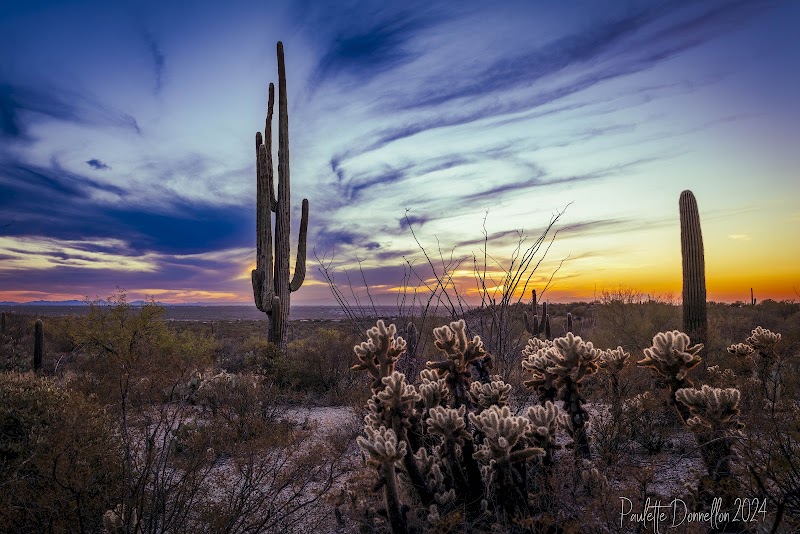
Early mornings are your friend. Start your climb just after dawn, when the cool desert air still lingers and the sun’s gaze softens. Trails like those in Sabino Canyon or the Finger Rock Trail reveal their true selves as the first light charges the rocky slopes and blankets the saguaros in golden hues. The hike is typically between 4 to 7 miles round trip, with elevation gains ranging from 1,200 to 2,000 feet depending on your choice. The surfaces vary; expect rugged rocky scrambles along with scrubby dirt paths that respond quickly to the sun’s hunger.
Midday in Tucson’s desert is a trial—heat rises without warning, turning the sand into a blazing challenge. Temperatures often soar above 90°F in late spring through September, demanding more than just determination. Hydration is critical: plan at least a liter of water per hour of climbing. Lightweight, breathable clothing and sturdy, broken-in footwear with good traction are necessary—slips on loose gravel or sharp rock edges are common without them.
Fall and winter present a different set of dynamics. Cooler temps make climbs more manageable, inviting longer expeditions and less concern about water. Yet, mornings can bite with temperatures dropping below freezing, and afternoon winds can whip up dust. Layer your clothing. The landscape changes with the seasons; migrating birds pass through, and rarely do you miss the subtle fragrance of creosote and mesquite after a winter rain.
Each season offers a chance to engage with the desert’s fierce individuality. After monsoons in summer, trails may be slippery, and flash floods can roar through dry washes, daring you to read their patterns carefully. During winter months, you might find fewer hikers, giving you the chance to meet the desert on its own terms. Stay alert, respect the environment's volatility, and adjust your schedule accordingly.
Practical timing isn’t just about weather; it includes weekend crowds. Aim for weekdays or early starts on weekends to avoid traffic and to feel the pulse of the desert without interruption. Weather apps and local ranger advice should be part of your planning arsenal.
In summary, timing your climb in Tucson’s desert climate is about anticipation and respect. Dawn’s cool promise, seasonal shifts, hydration, and preparation transform this adventure from a mere hike into a vivid engagement with land that is fiercely itself. Climb with awareness, and the desert rewards with expansive views, remarkable solitude, and the quiet roar of the wild under its endless sky.
Nearby Trips
All Adventures
Boat Charters
Water Activities
Adventures near Tucson
Discover the unique and memorable adventures that make Tucson special.
Frequently Asked Questions
When is the safest time of day to climb in Tucson's desert?
Early mornings between sunrise and 9 AM are safest, as temperatures are cooler and dehydration risk is lower. Avoid midday climbs when heat peaks.
How do storms affect climbing conditions in Tucson?
Monsoon storms in summer quickly flood dry riverbeds, making trails dangerous or impassable. Always check the weather forecast and avoid climbs during or immediately after storms.
Are there climbing routes suitable for beginners?
Yes, trails like the Sabino Canyon Loop offer moderate elevation and well-marked paths suited for less experienced hikers while still delivering rewarding views.
What wildlife should climbers be aware of?
Watch for rattlesnakes, especially in warmer months. Gila monsters lurk in shaded areas, and desert birds like roadrunners add life to the trail.
Is there cell service along popular climbing trails?
Cell service can be spotty, especially in deeper canyons and higher elevations. Prepare by informing someone of your plan and carrying a map or GPS device.
Can nighttime climbing be done safely in the desert?
Only for highly experienced climbers. Desert temperatures drop quickly, and visibility is limited. Proper lighting and navigation skills are essential.
Recommended Gear
Hydration Pack or Water Bottles
Carry at least two liters. Hydration challenges remain year-round in Tucson’s desert.
Trail Running Shoes or Hiking Boots
Protect your feet with shoes that grip rock and allow breathability to handle heat and dust.
Sun Protection (Hat, Sunscreen, Sunglasses)
Tucson’s sun is relentless. Combined protection prevents burns and heat exhaustion.
Lightweight Layered Clothing
Supports temperature changes between cold mornings and warm afternoons.
Local Insights
Hidden Gems
- "The less-traveled Phoneline Trail offers quiet solitude and views of Santa Catalina’s rugged ridges."
- "The shallow palms grove near Sabino Canyon provides a unique microhabitat respite."
- "Rincon Peak Lookout yields panoramic views without the crowd."
- "Early morning hummingbird feeders near trailheads can surprise with wildlife encounters."
Wildlife
- "Greater roadrunner"
- "Desert tortoise"
- "Gila monster"
- "Cactus wren"
History
"Tucson’s trails are carved through lands used by the Tohono O’odham people for centuries, with many petroglyph sites and historic water catchments preserved in the region."