
Timing the Glow: Optimizing Your Bioluminescence Experience in Indian River Lagoon, Florida
The Indian River Lagoon transforms into a glowing canvas during select nights, offering an unforgettable bioluminescent display. Learn how to time your visit to catch this mesmerizing natural light with precision and practical tips for a safe and immersive adventure.
Plan Around the New Moon
The darkest nights provide the highest contrast for bioluminescence visibility. Check lunar calendars to schedule your trip during new moon phases.
Bring a Red Filter Flashlight
Preserve your night vision while navigating launch areas by using a flashlight with a red filter, minimizing light pollution for others and wildlife.
Prepare for Insects
Mosquitoes and biting gnats thrive near the water. Use insect repellent and wear lightweight long sleeves to avoid discomfort, especially in summer.
Use Water-Safe Footwear
Soft sand and mangrove roots can be slippery and uneven. Shoes designed for water use will protect your feet during launches and landings.
Timing the Glow: Optimizing Your Bioluminescence Experience in Indian River Lagoon, Florida

Bio-luminescent Guided Tour
Must be 18+ to Book, Minors w/Guardians Must be 4+ • 90 minutes • PFD Included!
Witness the glowing wonder of bio-luminescent creatures lighting up the Indian River Lagoon on this guided night tour. Perfect for nature lovers and adventure seekers alike, it’s a magical journey under the stars that offers a rare glimpse of marine bioluminescence in Florida.
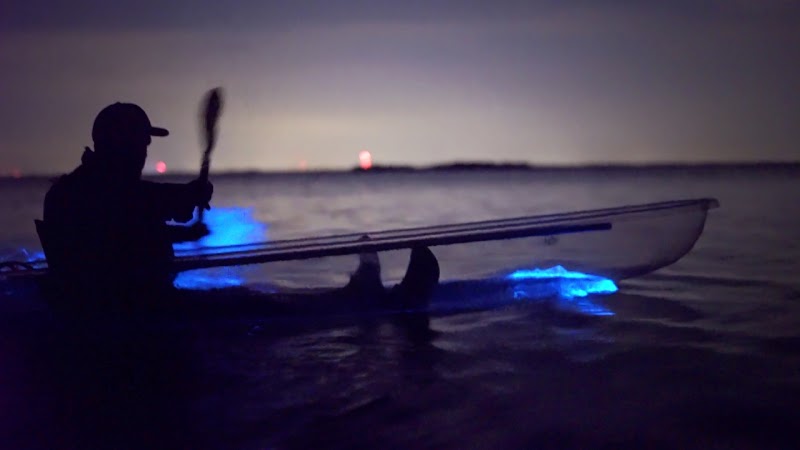
When night falls over Indian River Lagoon, the water stirs with a faint, enchanting shimmer—bioluminescence lighting up the surface in response to disturbance. This natural light show, produced by microscopic dinoflagellates, thrives under precise conditions. To catch Indian River Lagoon glowing at its best, timing is everything.
Optimal bioluminescence emerges during the warmer months, chiefly between late spring and early fall. Temperatures ranging from 75°F to 85°F coax these tiny organisms into peak activity. The lagoon, fed by freshwater inflows and tidal shifts, hosts a delicate balance of salinity, which plays a significant role. After heavy rains, the influx can dilute salt levels, often dimming the glow temporarily. Conversely, stretches of steady, mild salinity heighten bioluminescent displays.
Moonlight is the enemy of visibility here. New moon phases and nights with minimal ambient light unveil the most vivid blue-green sparkles. Plan your visit around these phases to immerse yourself in the spectacle fully. The black velvet backdrop of a moonless night sky sharpens the contrast, making the lagoon’s surface twinkle with near-magical intensity.
Wind also influences the experience. Light breezes cause subtle ripples, activating the glowing plankton with gentle strokes. On calm nights, kayak paddles or fingers dipping into the water produce brighter bursts of light. Be prepared to engage physically; your movements summon this ephemeral light, teasing the bioluminescent organisms into action.
Access points like the Merritt Island National Wildlife Refuge provide easy launch sites. Kayak trips typically range from 2 to 5 miles across flat water, making them suitable for both novices and seasoned paddlers. The terrain around the lagoon is flat with limited elevation changes, but expect soft sand beaches and some mangrove roots to navigate.
Preparation is key. Bring waterproof flashlights with red filters to preserve night vision, and dress for humid air and water spray. Insect repellent is essential, especially in summer. Hydration matters as kayaks don’t offer shade or shelter, and cool night air can be deceptively dehydrating. Wear sturdy, water-safe shoes for launch and return stretches.
While the bioluminescence is dazzling, respect the lagoon’s fragility. Avoid using soaps or chemicals in the water to protect the dinoflagellates. The glow is a natural indicator of ecosystem health—its fluctuations hinting at ongoing environmental shifts. Scheduled guided tours often include informative talks to deepen understanding while preserving this remarkable resource.
This adventure demands patience and attentiveness—quietly waiting for your movements to coax the lagoon’s responses. The experience is an intimate dance with nature, where your presence ignites the lagoon’s luminous pulse.
Timing your visit with lunar cycles, monitoring weather patterns, and arriving with proper gear unlock the lagoon’s glowing secrets. A night kayak in Indian River Lagoon is more than a trip; it’s a measured engagement with a force fiercely alive and fleeting, a chance to witness a rare natural wonder poised at the edge of night and water.
Nearby Trips
All Adventures
Boat Charters
Water Activities
Adventures near Titusville
Discover the unique and memorable adventures that make Titusville special.
Frequently Asked Questions
When is the best time of night to see bioluminescence in the lagoon?
The best viewing occurs between 9 PM and midnight when the night reaches peak darkness, especially during new moon phases with minimal ambient light pollution.
Are guided kayak tours necessary to see the bioluminescence?
While not required, guided tours enhance safety and local knowledge. Guides know optimal locations, tides, and timing to maximize your bioluminescence experience.
What kinds of wildlife might I see during a bioluminescence kayak trip?
Mangrove snapper, Atlantic blue crabs, and occasional manatees inhabit the lagoon. Nocturnal bird species such as herons often hunt along the shore, and the glowing plankton itself feels alive under your paddle.
Can cold weather affect the bioluminescent display?
Yes, colder temperatures slow dinoflagellate metabolism, dimming the glow. Warmer water between late spring and early fall produces the strongest light.
Is the Indian River Lagoon sensitive to human interaction?
Absolutely. The lagoon is a delicate ecosystem; avoid using soaps or disturbing the water unnecessarily. Maintaining respectful interaction helps preserve bioluminescence for future visitors.
Are there less crowded spots in the lagoon for viewing bioluminescence?
Yes. Besides popular access points near Titusville, quieter areas include the northern reaches near Merritt Island and less accessible inlets where kayak traffic is lighter.
Recommended Gear
Red Filter Flashlight
Essential to maintain night vision while launching and paddling in the dark, and to minimize disturbance to wildlife.
Insect Repellent
Repels mosquitoes and biting insects prevalent in spring and summer evenings around the lagoon.
Waterproof Dry Bag
Keeps belongings dry during kayaking, especially important with water splashes in the lagoon.
Water Shoes
Protect feet from sharp shells, mangrove roots, and slippery terrain during launches and landings.
Local Insights
Hidden Gems
- "Launch from Black Point Wildlife Drive for quieter waters and excellent bioluminescence spots."
- "Explore the lagoon’s shallow finger channels where plankton concentrations often spike after tidal shifts."
Wildlife
- "Look for bioluminescent comb jellies, a rarer but stunning companion to dinoflagellates."
- "Manatees occasionally move through the lagoon at night, adding a silent, powerful presence to the paddling experience."
History
"The Indian River Lagoon has sustained indigenous communities for centuries, who revered its waters as a life source. Its role in space exploration history, nearby in Titusville, contrasts the cosmic with the natural."