Glowing Waters: Photography Tips for Bioluminescent Kayaking in Florida’s Scenic Bays
Paddle into the surreal glow of Florida’s bioluminescent bays, where every stroke ignites a luminous shimmer beneath the dark sky. This guide offers practical photography tips and essential advice to help you frame this living light, ensuring an unforgettable night on the water.
Choose Moonless Nights
Plan your kayak trip on nights with minimal moonlight to maximize bioluminescence visibility and get clearer photos.
Protect Your Gear
Use waterproof housing or dry bags for your camera and accessories to avoid damage from splashes or unexpected spills.
Bring Red-Filtered Headlamps
Red light preserves your night vision and prevents startling marine life, helping maintain a quiet, glowing environment.
Practice Manual Focus Beforehand
Autofocus struggles in low light; pre-focusing on a fixed point before beginning paddling will ensure sharper images.
Glowing Waters: Photography Tips for Bioluminescent Kayaking in Florida’s Scenic Bays

Bioluminescence Kayak Adventure
All Ages • 1.5 Hours
Discover the mesmerizing glow of bioluminescent waters on a private kayak tour in Titusville, Florida. This magical experience combines stunning nature with an intimate setting, perfect for creating unforgettable memories.
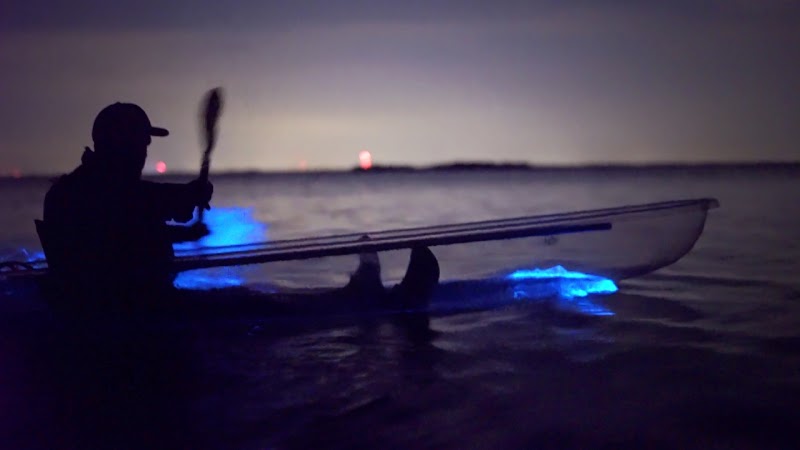
Florida’s bioluminescent bays transform their calm waters into glittering canvases, daring adventurers to capture the surreal magic of glowing plankton stirred by your paddle. Kayaking through this living light is a rare experience where every stroke ignites a shimmer that seems fiercely alive. But photographing bioluminescence requires more than enthusiasm—it demands preparation, timing, and a keen awareness of your gear and environment.
Start by choosing the right conditions. Bioluminescence peaks on moonless, windless nights when the water acts like glass. Florida’s southeastern coast, particularly areas like Indian River Lagoon or the Merritt Island National Wildlife Refuge, hosts these elusive displays, where the subtle current gently pushes your kayak forward and the darkness wraps around, waiting to be illuminated.
Camera settings are crucial: use a wide aperture (f/2.8 or wider) and a high ISO (1600-3200) to gather scarce light without overexposing the frame. Set long exposure times (10-30 seconds) to capture the glowing trails left by your paddle or the flash of a disturbance in the water. Secure your camera on a stable mount to minimize movement; paddling makes steady shots tricky but aiming your lens near the kayak’s edge where bioluminescence concentrates can yield spectacular results.
Manual focus is your friend here as autofocus struggles in near darkness. Pre-focus on a distant light or the kayak’s silhouette to lock sharpness. Experiment with bursts of movement—dip your hand or kayak paddle to animate the water’s blue-green fire under your lens.
Equip yourself wisely: waterproof housings or camera bags are essential to protect gear from splashes. Bring a headlamp with a red-filtered light to preserve night vision and prevent startling wildlife or dimming bioluminescence. Dress in lightweight, quick-drying clothing and secure footwear, as the humid Florida night air keeps moss and marsh scents alive while the water may brush your legs as the kayak rocks.
Arrive early to scout your launch point and observe the water’s surface. Respect the fragile ecosystem; avoid stirring sediment or excessive disturbance of marine life. Be patient—the water’s glow depends on environmental balance and your careful interaction with it.
Finally, remember the bioluminescent show doesn’t last all night. The magic flares and dims with the tide and biological rhythms, offering a fleeting partnership between kayaker and nature. Capture that partnership with both precision and respect, turning your night paddle into a story told by light and shadow.
Nearby Trips
All Adventures
Boat Charters
Water Activities
Adventures near Titusville
Discover the unique and memorable adventures that make Titusville special.
Frequently Asked Questions
What causes the bioluminescent glow in Florida's waters?
The glow is caused by microscopic plankton called dinoflagellates. When disturbed by movement in the water, they emit blue-green light as a defense mechanism.
Can I use my smartphone for bioluminescent photography?
Smartphones have limited ability to capture low light scenes. Specialized cameras with manual settings are recommended for clear, long-exposure photos.
Are guided tours necessary for bioluminescent kayaking?
While you can kayak independently, guided tours offer local expertise, safety, and permit access to prime glowing spots, enhancing your overall experience.
How do tides affect bioluminescence visibility?
Tides influence water movement and concentration of plankton. Optimal viewing often coincides with rising or falling tides when the water stirs plankton gently.
What precautions should I take to protect the environment?
Avoid using sunscreen or insect repellent right before paddling, minimize waste, stay in designated areas, and keep noise levels down to reduce disruption to wildlife.
Is bioluminescence visible year-round in Florida?
It’s present most of the year but peaks in warmer months with lower moonlight. Seasonal plankton cycles and weather conditions affect its intensity.
Recommended Gear
Wide-Angle Lens with Wide Aperture
Captures expansive scenes in low light and gathers more light for glowing water shots.
Waterproof Camera Housing
Protects your camera from splashes and moisture exposure during night paddling.
Red-Filtered Headlamp
Preserves night vision and minimizes disturbance to bioluminescent organisms.
Quick-Dry Clothing and Secure Footwear
Keeps you comfortable and safe from wet conditions and slick shorelines.
Local Insights
Hidden Gems
- "Playalinda Beach kayak launches for quiet glows away from crowds"
- "A hidden mangrove tunnel near Merritt Island that intensifies bioluminescence reflections"
Wildlife
- "Osprey hunting above the water"
- "Manatees sometimes pass through calmer inlets at night"
History
"The Indian River Lagoon area has long been significant to the indigenous Ais people, who relied on its rich ecosystem for sustenance and navigation."