Surf perch fishing along Oregon’s Netarts beaches offers an engaging blend of nature and challenge, heavily influenced by seasonal changes and coastal weather shifts. Planning your trip with a clear view of tides, temperatures, and wind patterns transforms a day on the shore from trial to triumph.
Check Local Tide Charts Daily
Tides dictate fish movements; aligning your fishing with incoming or high tides significantly increases your catch chances.
Wear Layered Waterproof Clothing
Weather changes rapidly; waterproof layers keep you dry and comfortable during unpredictable coastal showers and winds.
Use Sand or Shrimp-Based Baits
Surf perch favor natural baits like sand shrimp or bloodworms, especially in warmer months when feeding activity peaks.
Maintain Physical Balance on Uneven Terrain
Rocky shorelines and shifting sands demand stable footwear and careful footing, especially when the surf pushes inward.
Navigating Seasonal Shifts: Surf Perch Fishing at Oregon’s Netarts Beaches

Surf Perch Fishing
All ages • 6 Hours • Up to 6 people!
Discover the excitement of Surf Perch Fishing along Oregon's stunning coast with Izzi's Big Mouth Guide Service. Perfect for all skill levels, this guided experience offers a memorable outdoor adventure filled with scenic views and rewarding catches.
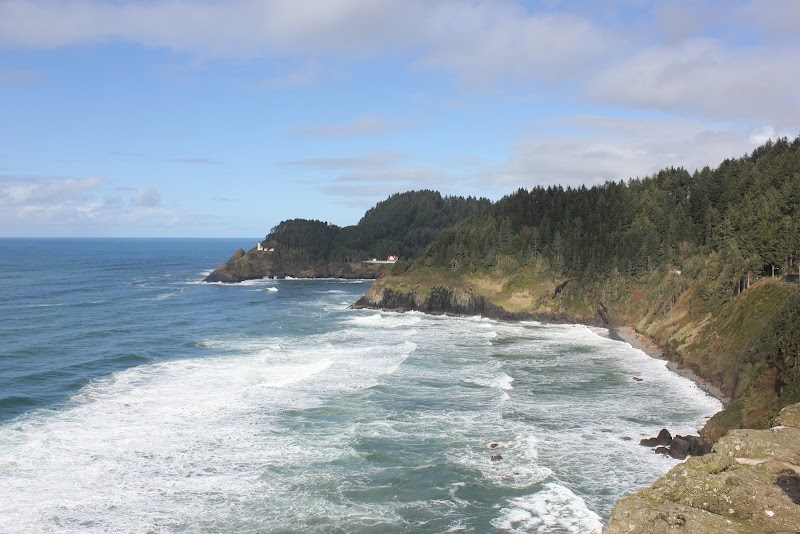
Oregon’s Netarts beaches offer a dynamic stage where surf perch fishing unfolds with the rhythm of the seasons and mood of the weather. This stretch of coastline is more than just a backdrop; it’s an active participant, shaping each fishing session with its tides, temperatures, and winds. Understanding these impacts is crucial if you want to make the most of your time casting into these restless waters.
Spring signals a shift as the oceans start warming, encouraging surf perch to move closer to shore, especially around rocky outcrops and sandy coves. The weather can still be unpredictable—showers and brisk winds push you to prepare layered clothing and waterproof gear. Days lengthen, offering more daylight for longer fishing windows, but chilly waters mean you’ll want to keep your stance firm, both physically and mentally, as currents dare you to hold your ground.
Summer arrives steady with mild temperatures and calmer seas, the ideal time for both casual and seasoned anglers. The water’s warmth heightens perch activity nearshore, often resulting in more frequent bites. Early mornings and evenings are prime, as heat and light provoke perch into feeding frenzies. The beach here stretches wide under a steady sun, but watch for sudden fog rolling off the Pacific, a reminder that the coast remains fiercely untamed.
Fall brings a crisp sharpness to the air and a reshuffling in surf perch patterns. Cooler waters coax fish toward deeper zones, meaning you’ll often need to adjust your casting distance and bait techniques. The wind picks up, challenging your balance and line control, while the shorter days demand efficient use of daylight hours. The beaches take on a rawer aspect, with waves pushing harder and the shoreline roughening for those who choose to explore beyond the main fishing spots.
Winter on the Netarts coast feels elemental. Strong winds, heavy surf, and relentless rain test your resolve and skill. Surf perch fishing doesn’t stop but requires extra preparation: sturdy boots, insulated layers, and attention to tides. The fish themselves become elusive, often retreating to deeper or protected waters, turning your fishing into a strategic game against shifting weather fronts. While few venture out, those who do find solitude and a chance to witness the wild, raw face of Oregon’s coast.
Across all seasons, tide cycles remain a constant influencer. Incoming tides push perch closer, while outgoing tides can scatter them. Early morning and late afternoon usually deliver better success, but monitoring local tide charts is non-negotiable. Gear selection aligns tightly with weather and season: light spinning rods for summer, heavier reels for winter’s brute force, and baits ranging from sand shrimp to worm clusters depending on perch preferences driven by changing water temps.
Fishing at Netarts is a conversation with nature—sometimes calm, sometimes challenging, always demanding respect for the elements. It’s not about conquering but engaging, reading the waves' push and ocean’s pulse, matching your effort to what the beach allows. By understanding seasonal and weather impacts here, you prepare yourself not just for a day of fishing but for a genuine encounter with a fiercely alive seascape that rewards those ready to adapt and learn.
Nearby Trips
All Adventures
Boat Charters
Water Activities
Adventures near Tillamook
Discover the unique and memorable adventures that make Tillamook special.
Frequently Asked Questions
When is the best time of day for surf perch fishing at Netarts?
Early mornings and late afternoons are prime times. These periods align with lower light and temperature shifts that encourage surf perch to feed actively closer to shore.
How do weather patterns affect fishing success at Netarts beaches?
Wind-driven waves and weather fronts can push perch either closer or further from shore. Calm, mild days often mean more predictable fish activity, but challenges like fog or storms can make for more strategic fishing.
Are there any safety concerns specific to surf perch fishing here?
Yes. Slippery rocks, strong surf, and sudden tides require caution. Proper footwear, constant attention to wave patterns, and avoiding fishing alone during rough conditions are essential for safety.
What bait types work best for surf perch in Oregon’s coastal waters?
Natural baits like live or frozen sand shrimp, bloodworms, and small sand crabs consistently produce results. Their scent and movement attract perch especially when water temperatures rise.
Is there an ideal season for beginners to fish surf perch here?
Summer provides the most forgiving conditions for beginners: calmer weather, warmer water, and longer daylight make learning the rhythms of the tides and casting techniques easier.
Can surf perch fishing be combined with other activities at Netarts beaches?
Absolutely. Many anglers enjoy hiking along the beach trails, exploring tide pools, and wildlife watching for herons and sea birds, making it a diverse outdoor experience.
Recommended Gear
Waterproof Jacket
Protects against sudden rain and coastal winds—critical year-round for comfort.
Wading Boots with Good Grip
Offers stability on wet rocks and shifting sands, reducing the risk of slips.
Light Spinning Rod with Saltwater Reel
Versatile for most surf perch conditions, allowing delicate casting and handling varying currents.
Thermal Base Layers
Helps retain body heat during colder months while staying dry beneath outer layers.
Local Insights
Hidden Gems
- "The rocky promontory near Netarts Bay offers less crowded fishing spots and panoramic views of incoming tides."
- "A small wooded bluff trail leads to a vantage point where sandpipers gather during migration seasons."
Wildlife
- "Keep an eye out for black oyster catchers and bald eagles that frequent the coastline during fall and winter."
- "Tide pools at low tide reveal starfish and anemones, adding to the coastal ecosystem’s vibrancy."
History
"Netarts Bay was historically a vital fishing and shellfish harvesting area for the Tillamook Tribe, whose sustainable practices influence modern conservation efforts."