Timing Your Ride: Navigating Time-of-Day and Trail Conditions on Telluride Biking Tours
Timing is critical on Telluride's biking trails—early mornings offer cool, firm paths while afternoons bring dry, fast, yet unpredictable conditions. Understanding how sunlight, weather, and elevation shape trail surfaces will prepare you to tackle this mountainous playground efficiently and safely.
Start Early to Avoid Crowds and Moist Trails
Begin rides shortly after dawn to benefit from cooler temperatures, firmer trails, and less foot traffic on popular routes like Bear Creek Trail.
Hydrate Continuously at High Elevations
Altitude saps hydration faster—carry extra water and plan stops accordingly, especially on exposed and windy mid-afternoon sections.
Use High-Traction Footwear for Mixed Terrain
Expect varied trail surfaces—muddy patches, loose rocks, and sandy gravel—select shoes with aggressive tread to maintain grip.
Plan for Changing Light Conditions
Afternoon and evening rides require backup lighting or route familiarity to navigate shadows and hidden obstacles safely.
Timing Your Ride: Navigating Time-of-Day and Trail Conditions on Telluride Biking Tours

Mountain Bike Half Day
Ages 12+ • 3 Hours • Includes Door to Door Transportation
Discover the exhilaration of mountain biking in Telluride during a half-day tour with Stellar Tours. Perfect for outdoor enthusiasts, this experience combines scenic beauty, adventure, and local flavor in Colorado's mountain landscape.
Telluride’s rugged terrain challenges mountain bikers at every turn, but understanding how time-of-day and trail conditions shape each ride can transform your trip from taxing to thrilling. Morning rides are a tactical choice—the trails awake slowly here, kissed by soft light and cool air. Dew clings to pine needles and the slopes drink in the sun’s early warmth, yet mud from overnight snowmelt or rain can make rocky sections slick and unpredictable. Starting early means fewer crowds and firmer soil, especially on popular corridors like the Bear Creek Trail, where elevation gains hover around 1,200 feet over six miles. The shaded forest shelters you from harsh sun, but beware of lingering moisture that dares your wheels to slip.
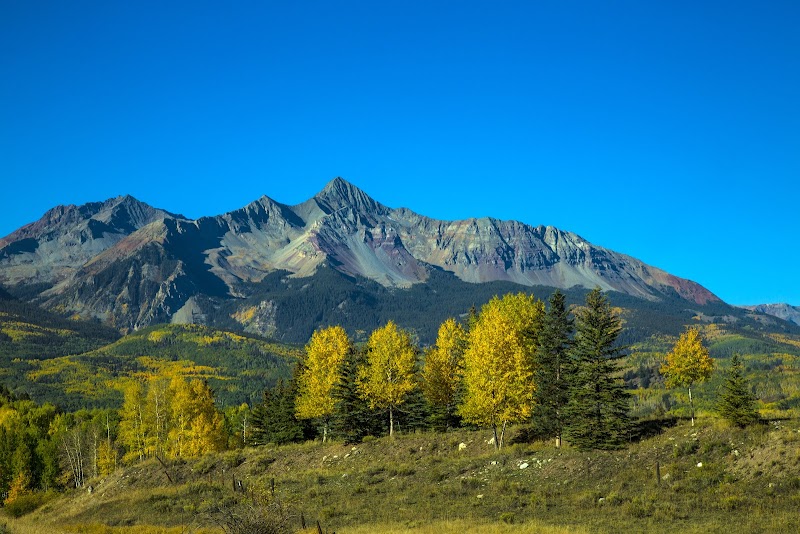
By mid-afternoon, the landscape shifts. Drying trails become faster, with dusty sections eager to test your traction, especially on exposed sandstone outcrops that blaze under the sun’s attention. This is when the San Juan Mountains assert their fierce personality—thermal currents lift and push heat across the ridges, urging riders to hydrate proactively. Wind, often a quiet background player in the morning, grows in volume here, bending scrub and daring bikers to steady themselves. If you plan a ride between 2 p.m. and 5 p.m., prepare for fluctuating trail firmness and occasional gusts that can disrupt balance on narrow passages like along the Imogene Pass Road.
As the day edges toward sunset, everything slows. Shadows stretch long over the Telluride Valley, and cooling temps reduce dust and fade trail glare, presenting perfect conditions for precise maneuvering on technical descents such as the Prospect Trail. Yet, fading light brings its own challenge—limited visibility can mask roots and rocks, turning confident lines into cautious negotiations. A headlamp or good knowledge of your route becomes essential here.
Trail conditions throughout Telluride’s biking network evolve quickly, responding to recent weather, elevation, and season. Spring thaw often leaves lower trails mud-slicked, while higher routes might still hold patches of snow till early June. Summer heat dries everything fast, but afternoon thunderstorms can flood narrow gullies in moments. Fall tightens the weather window: cool mornings and rapidly shortening days demand early starts and swift finishes.
Practical preparation is your best ally. Carry more water than you think you need—Telluride’s altitude (around 8,750 feet) pushes your limits. Choose trail shoes with aggressive treads to meet mixed surfaces: sandy gravel, chunked rock, and moist earth. Dress in lightweight layers that adapt to wide temperature swings between morning chill and afternoon sun. Above all, respect the mountain’s mood—it’s fiercely itself, unpredictable and exacting. With timing and gear in tune, Telluride’s trails open up in vivid detail: forests that breathe, ridges that dare application, and views that reward persistence.
Nearby Trips
All Adventures
Boat Charters
Water Activities
Adventures near Telluride
Discover the unique and memorable adventures that make Telluride special.
Frequently Asked Questions
What is the best time of day to ride to avoid trail congestion in Telluride?
Early mornings, ideally starting just after sunrise, offer the quietest trails with fewer hikers and bikers, allowing a more solitary experience and less wear on soft trail sections from afternoon use.
How does altitude affect biking performance around Telluride?
At approximately 8,750 feet elevation, the thinner air challenges breathing and endurance. Riders should acclimate gradually, stay hydrated, and pace themselves to manage fatigue effectively.
Are there any trail sections prone to sudden weather changes?
Yes, especially on exposed ridges like Imogene Pass Road, where afternoon storms can develop rapidly, bringing strong winds and brief heavy rain. Monitoring weather forecasts and starting early reduces risk.
What kind of wildlife might I encounter on Telluride biking trails?
Local wildlife includes deer, elk, and the occasional black bear. Birds like scrub jays and hawks often patrol the skies. Observing from a distance and avoiding startling animals is important for everyone's safety.
Are there lesser-known trails or viewpoints in the Telluride area worth exploring?
Yes, the Bear Creek Trail offers quieter passages through dense spruce-fir forests and leads to panoramic ridges often overlooked in favor of more famous routes. Upper Bear Creek viewpoints showcase surprising valley vistas.
How can bikers contribute to trail preservation in Telluride?
Sticking to designated trails, avoiding muddy areas when soft conditions prevail, and packing out all trash helps protect fragile alpine environments. Respect seasonal closures designed to protect wildlife habitats and trail sustainability.
Recommended Gear
Hydration Pack
Crucial for carrying enough water and small essentials due to high altitude and fluctuating temperatures.
Mountain Bike with Proper Suspension
Handles rocky, root-laced, and sometimes uneven trail surfaces common on Telluride routes.
Layered Clothing
Allows for quick adjustment to temperature swings—from cold mornings to hot afternoons.
Compact Headlamp
Useful for rides extending into dusk when light fades quickly and trail hazards increase.
Local Insights
Hidden Gems
- "Upper Bear Creek viewpoints with fewer crowds"
- "Secret mini-waterfalls along lower Alpine Loop road"
- "Quiet stretches near the San Miguel River crossings"
Wildlife
- "Rocky Mountain elk"
- "Black bear (primarily in summer)"
- "Mule deer"
- "Mountain bluebirds"
History
"Telluride’s trails weave through regions once mined for gold and silver, with remnants of old mining cabins and veins visible from key viewpoints, offering a glimpse into the area's vibrant 19th-century mining past."