Essential Preparation for High-Altitude Scenic Passes Near Telluride, CO
High-altitude scenic passes near Telluride, CO, offer breathtaking alpine views and challenging terrain that test both stamina and preparation. This guide equips you with practical advice to safely enjoy these iconic San Juan trails, from trail specifics to hydration tips and gear essentials.
Acclimate Before You Climb
Spend a day or two in Telluride at lower elevations to help your body adjust before tackling high passes above 12,000 feet.
Hydrate Consistently
Drink water regularly, even if you don’t feel thirsty, and consider electrolyte supplements to combat altitude dehydration.
Wear Sturdy Footwear
Choose hiking boots with firm ankle support and reliable traction for navigating loose rock, scree, and uneven soil.
Start Early to Avoid Afternoon Storms
High mountain thunderstorms often build in the afternoon, so plan to summit and return before the weather worsens.
Essential Preparation for High-Altitude Scenic Passes Near Telluride, CO

Tomboy / Imogene Pass
Discover Colorado’s stunning mountain scenery with a private Tomboy / Imogene Pass tour in Telluride. This guided adventure offers breathtaking views, historical insights, and unforgettable outdoor exploration all in one trip.
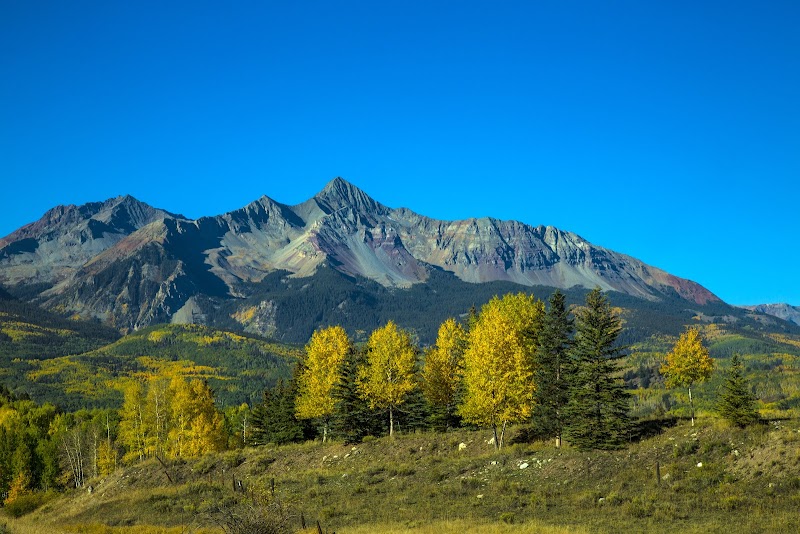
The high-altitude passes around Telluride, Colorado, offer some of the most striking landscapes in the San Juan Mountains. Trails like Ophir Pass and Imogene Pass challenge you with elevation gains often exceeding 3,000 feet, rising above 12,000 feet in altitude. The air thins quickly here, a reminder that nature holds its heights fiercely and demands respect.
Starting from lush, forested lower slopes, these paths climb steadily through groves of aspen and spruce that seem to lean in, whispering encouragement. As the trail ascends, the trees give way to rocky alpine meadows, where wildflowers nod in the mountain breeze and panoramic views stretch without limit. Rivers and creeks run alongside, their currents daring you forward as they carve their way down the steep terrain.
Planning your approach to these passes is crucial. Distance varies from 5 to 12 miles round trip, with uneven terrain ranging from packed dirt to loose scree near summits. Expect several sections with exposure to sun, wind, and sudden shifts in weather. Hydration is vital; the high altitude accelerates dehydration even if you don’t feel thirsty. Quality hiking boots with solid ankle support and good tread will help you negotiate rocky paths safely.
Timing your hike early in the morning or late afternoon means cooler temperatures and softer light for photography but be mindful that afternoon thunderstorms are common in summer months. Layered clothing is essential to manage shifting temperatures and winds that grow more insistent the higher you climb.
Elevation sickness is another challenge. Ascend deliberately and listen to your body—it will tell you when to pause. Carrying electrolyte supplements or sports drinks can aid your energy and stamina. Alternatively, spend a day or two in Telluride to acclimate before setting off.
These passes aren’t merely trails; they are raw engagements with a mountain environment that demands preparation and offers rich rewards. The views from the summit don’t just welcome you — they confront you with nature’s vastness and complexity. Every mile and every breath earned here feeds a genuine sense of achievement.
Whether your goal is a day hike or a base for a multi-day trek, equipping yourself with solid knowledge and practical gear will make the experience accessible and exhilarating. These trails are ready to meet those who come prepared, eager to stand amid Colorado’s fierce alpine beauty.
Nearby Trips
All Adventures
Boat Charters
Water Activities
Adventures near Telluride
Discover the unique and memorable adventures that make Telluride special.
Frequently Asked Questions
What is the best way to avoid altitude sickness?
Acclimate gradually by spending a day or two in Telluride before ascending. Drink plenty of water and pace yourself on the climb. Consider carrying medication such as acetazolamide if prone to severe symptoms.
Are dogs allowed on these high passes?
Dogs are generally allowed but must be leashed to protect wildlife and due to the challenging terrain. Be prepared to manage altitude effects on your pet as well.
What wildlife might hikers encounter near Telluride's passes?
Expect to see mule deer, mountain goats, and the occasional marmot. Raptors like golden eagles patrol thermals above, and songbirds flit in the forested lower reaches.
Are permits required for hiking these trails?
Most high passes around Telluride do not require permits for day hiking, but some trailheads are located within wilderness areas where overnight permits and restrictions may apply.
When is the ideal time for photography on these passes?
Early morning and late afternoon offer the best light, with softer shadows and more saturated colors. Midday light can be harsh, especially above the treeline.
Can you camp along these trails?
Backcountry camping is allowed but only in designated areas. Campfires are generally prohibited above certain elevations to preserve fragile alpine ecosystems.
Recommended Gear
High-Quality Hiking Boots
Supports ankles and improves traction on irregular mountain terrain.
Layered Clothing System
Allows adjustment to fluctuating temperatures and sudden weather changes.
Hydration System with Electrolytes
Maintains hydration and balances electrolytes lost through high-altitude exertion.
Trekking Poles
Provide extra stability on uneven and steep sections, reducing stress on knees.
Local Insights
Hidden Gems
- "The less-traveled Kennebec Pass offers spectacular wildflower meadows and fewer hikers."
- "A viewpoint near Bridal Veil Falls provides a unique angle of one of Colorado’s tallest waterfalls."
Wildlife
- "Look out for the shy pika among talus fields—these small mammals whistle warnings when disturbed."
- "American pine martens occasionally cross trail sections, especially during dawn and dusk."
History
"Telluride’s passes were once critical routes for miners during the late 19th century. Mining ghost towns and artifacts still punctuate the routes, revealing the rugged human history intertwined with the landscape."