
Capturing the Vistas: Best Camera Settings for Imogene and Black Bear Pass from Telluride
Imogene and Black Bear Passes near Telluride offer breathtaking mountain vistas that challenge both adventurers and photographers. This guide breaks down the ideal camera settings and practical tips to help you capture sharp, vibrant images that reflect the wild character of these high-altitude routes.
Prepare for Rapid Weather Changes
Both passes sit above 13,000 feet where weather can shift suddenly—bring layered clothing and protect your camera gear accordingly.
Start Early to Avoid Crowds and Harsh Light
Morning light softens shadows for photos and trail conditions are generally safer before afternoon storms arrive.
Stay Hydrated and Acclimate to Altitude
Hydration supports energy; take time to adjust to the thin air before tackling rugged climbs or long drives.
Footwear with Good Traction is a Must
Loose rocks and steep switchbacks demand shoes or boots that anchor you firmly to the terrain.
Capturing the Vistas: Best Camera Settings for Imogene and Black Bear Pass from Telluride

Imogene/Black Bear Pass Via Ouray
Experience the thrill of Colorado's legendary off-road routes with the Imogene and Black Bear Pass tour from Telluride. Discover stunning mountain vistas, challenging switchbacks, and historic mining sites on this unforgettable sightseeing adventure.
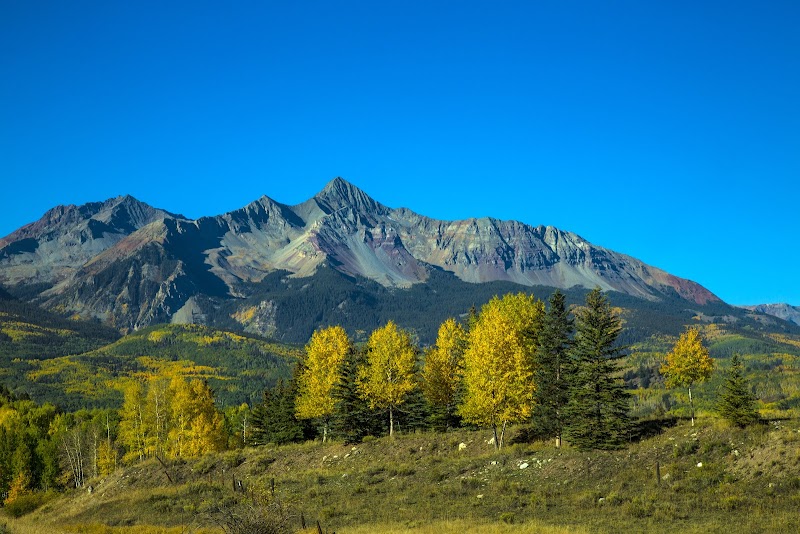
Imogene and Black Bear Passes carve dramatic silhouettes high above Telluride, Colorado, each offering a lens into the uncompromising ruggedness of the San Juan Mountains. Whether you're driving or hiking these routes, the vistas command a camera’s full attention. To translate their raw grandeur into a photo that matches the real experience, adjust your settings purposefully.
Starting with your camera’s mode, use manual or aperture priority to maintain control over depth of field and exposure. The vastness demands a sharp foreground-to-background focus, so set your aperture between f/8 and f/16. This range ensures the ridges and valleys remain crisply rendered without sacrificing light.
ISO should stay low, ideally between 100 and 200, to reduce noise and capture the clean, stark lines of rock formations and ever-shifting clouds. If you’re shooting in early morning or late afternoon—golden hours when light slants low and shadows stretch—adjust exposure compensation to +0.3 to +0.7 to retain detail in shadowed canyons without overexposing snowy peaks.
Shutter speed depends on your vantage point and conditions. On the move, push shutter speed to at least 1/500s to freeze the occasional dust swirl or wind-tossed wildflowers. From a stable perch, slower speeds of 1/60s or less can bring out wispy clouds moving across the panorama if you opt for an ND filter or tripod.
Considering dynamic range is crucial. The bright sky can overwhelm dark rock faces, so consider using your camera’s HDR mode or bracketing exposures to combine later in post-processing. Polarizing filters also play a pivotal role, cutting glare from exposed rock surfaces and intensifying the deep blue of the high-altitude sky.
Imogene Pass (13,114 feet) demands preparation—the terrain is rugged, and conditions shift swiftly as storms dare across peaks. Black Bear Pass, notorious for its steep drop-offs and switchbacks, offers unique vantage points but requires caution and steady footing to get the best frames. Aim to shoot midday when clouds sculpt light across the canyon walls, or during sunrise/sunset for softer tones and longer shadows that carve depth into your images.
Pack your gear with care: a lightweight tripod will stabilize longer exposures; extra batteries for the cold; weather-sealed camera bodies perform better as storms kick up dust or snow. Footwear with solid grip is essential even if you’re only accessing viewpoints by vehicle; the trails demand steadiness. Hydrate frequently—the air is thin, and exertion high.
Mastering these settings ensures your camera captures not just the views, but the fierce personality of this landscape, a visual handshake with a place that is relentlessly itself. The passes don’t just frame the terrain—they dare you to match their clarity and intensity in every shot.
Nearby Trips
All Adventures
Boat Charters
Water Activities
Adventures near Telluride
Discover the unique and memorable adventures that make Telluride special.
Frequently Asked Questions
Are these passes accessible to casual photographers?
Yes, but be prepared for physically demanding terrain and high altitude. Casual photographers can enjoy roadside opportunities or shorter hikes to viewpoints, though a basic level of fitness and acclimation is necessary.
What’s the best lens choice for landscape shots here?
Wide-angle lenses between 16mm and 35mm capture sweeping mountain vistas effectively, while a mid-range telephoto (70-200mm) lets you isolate details such as rock formations and distant peaks.
Is it safe to use drones on Imogene and Black Bear Pass?
Drone use is restricted in some areas to protect wildlife and preserve the natural soundscape. Always check local regulations before flying. Sensitive wildlife species like mountain goats and bighorn sheep are nearby.
When is the best time of day to photograph these passes?
Early morning and late afternoon offer the best light angles, reducing harsh shadows and highlighting the texture of rocks and ridges. Midday light can be flat unless dramatic clouds create contrast.
Are there any lesser-known spots for unique photos along the routes?
Yes, the Woolly Patch Lakes near Imogene Pass are quieter than the main viewpoints and offer reflective alpine water shots. Black Bear Pass’s Devil’s Punchbowl provides a distinctive geological feature seldom photographed.
How can I protect my camera from environmental factors on these passes?
Use weather-sealed equipment or protective covers to defend against dust, wind, and sudden precipitation. Carry lens wipes and a microfiber cloth to manage condensation and grit.
Recommended Gear
DSLR or Mirrorless Camera with Manual Settings
Control over aperture, ISO, and shutter speed is key to capturing the vast, changing multispectral light of the passes.
Polarizing Filter
Reduces glare from rock faces and intensifies sky colors during bright summer days.
Lightweight Tripod
Helps stabilize shots for longer exposures or HDR bracketing when the light dims during sunrise, sunset, or cloudy conditions.
Sturdy Hiking Boots
Ensure grip and ankle support while navigating uneven terrain and rocky paths.
Local Insights
Hidden Gems
- "Woolly Patch Lakes for reflective water vistas near Imogene Pass"
- "Devil’s Punchbowl, a natural amphitheater along Black Bear Pass"
- "Cliffside switchbacks offering dramatic perspectives of Telluride valley"
Wildlife
- "Mountain goats perched on vertical cliffs"
- "Bighorn sheep navigating narrow ledges"
- "Marmots and pika darting through the alpine meadows"
History
"Both passes have historic mining roots tracing back to the late 1800s, with remnants of old cabins and equipment visible. The roads began as access routes for ore transport, surrounded by stories of rugged prospectors."