
Mastering Vehicle Settings For All-Day Red River Side-by-Side Adventures
Prepare your side-by-side for a full day of adventure along New Mexico’s Red River with optimized vehicle settings designed to conquer rocky ascents, sandy stretches, and steep descents. This guide pairs technical know-how with practical tips to keep both rider and machine in flow from sunrise to sundown.
Adjust Tire Pressure for Terrain
Lower tire pressure (8-10 psi) for loose or rocky ground improves traction; increase pressure on hard surfaces to protect rims.
Tune Suspension Before the Ride
Soften suspension to absorb jolts but avoid bottoming out on sudden drops, balancing comfort and control.
Carry Extra Fuel
Extended Red River routes may require additional fuel—bring a spare tank or canister to avoid being stranded.
Inspect Brake and Steering Systems
Ensure brakes are responsive and steering dampers are adjusted to prevent twitchiness during rapid trail turns.
Mastering Vehicle Settings For All-Day Red River Side-by-Side Adventures

Trail Riding - Full Day
May 22 - October 31 • Ages 25+ to Drive • Ages 3+ to Ride
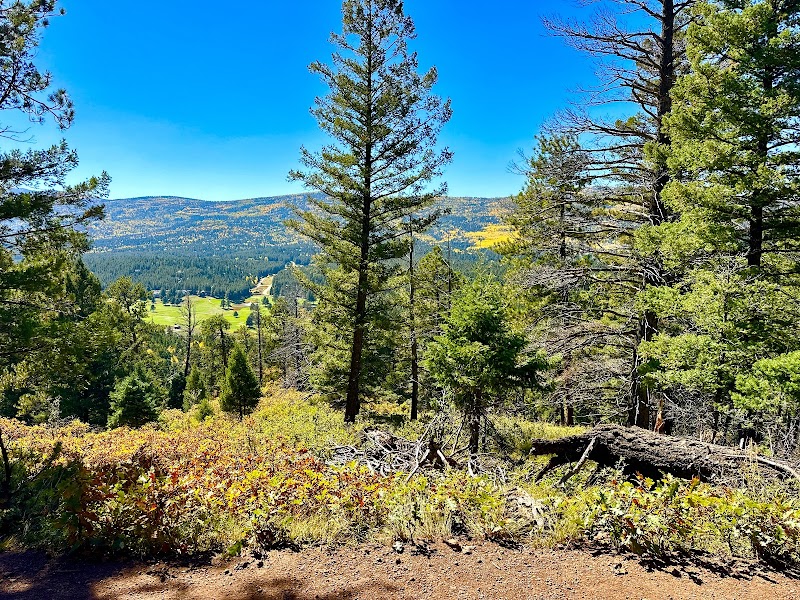
Discover the excitement of a full-day UTV trail riding adventure in Red River, New Mexico. Perfect for thrill-seekers and nature lovers alike, this guided tour offers scenic views and off-road fun in the Sangre de Cristo Mountains.
Red River’s rugged terrain challenges body and machine alike. To keep your side-by-side running smooth from dawn until dusk, smart vehicle setup is non-negotiable. Start with tire pressure—dropping it to around 8-10 psi helps your machine grip rocky sections and sandy stretches with confident steadiness. Remember to adjust PSI upwards for hard-packed trails to avoid rim damage and preserve traction.
Suspension tuning is your next priority. Soften it just enough to absorb the Red River’s relentless, rocky dips and loose gravel patches without bottoming out on sudden drops. This balance protects your chassis while maintaining control over sharp turns where the trail narrows into forest-guarded corridors.
Gear ratios deserve a fresh look before you hit the trail. Engage lower gears for the steep inclines climbing out of riverbeds, allowing your side-by-side to feast on torque rather than strain on the engine. When the trail opens to faster sections, use higher gears to conserve fuel and smoothen the ride.
Check your steering and brake responsiveness; Red River’s unpredictable turns demand instant reaction. Stiffen steering dampers if your vehicle feels twitchy, and beef up brake pads to handle continuous descents where heat buildup can dull performance. Having a good balance here means the river’s current-like flow of the trail never feels like a gamble.
Fuel management completes the full day setup. A supplemental fuel tank or carrying an extra canister is wise—Red River’s all-day runs push your side-by-side harder than shorter jaunts. Hydration for both rider and machine wins the day, especially when afternoon sun pushes into the low 80s.
Finally, pack tools for on-the-fly tweaks. Side-by-sides have temperamental quirks, and having a digital tire gauge, a basic suspension wrench, and spare brake components can turn a stutter into a smooth glide. Your adventure here isn’t just with terrain, but with a machine fiercely itself, demanding respect and understanding.
In tune with your vehicle’s settings, the Red River landscape steps forward boldly: the river dares you near slippery rocks, forest shadows cool your breaks, and distant ridge crests call for just one more push. Equipped and ready, your all-day ride becomes not just a journey but a dialogue with an unyielding but rewarding wild.
Nearby Trips
All Adventures
Boat Charters
Water Activities
Adventures near Taos
Discover the unique and memorable adventures that make Taos special.
Frequently Asked Questions
What tire pressure works best for mixed Red River terrain?
Lower your tire pressure to 8-10 psi on rocky or soft sandy sections for better traction. For hard-packed segments, increase it to 12-15 psi to avoid rim damage.
How should I adjust the suspension for steep inclines and descents?
Soften your suspension enough to absorb shocks on bumpy ascents but keep it firm enough to maintain vehicle control going downhill without bottoming out.
Is it necessary to carry extra fuel on a typical Red River side-by-side trip?
Yes, especially for all-day adventures. The varied terrain increases fuel consumption, so a supplemental canister can prevent being stranded far from refueling points.
Are there any lesser-known viewpoints along the Red River route?
Yes, near the Mill Creek trail junction, you can find a quiet overlook with sweeping views of the valley and distant Sangre de Cristo peaks rarely crowded by riders.
What local wildlife might I encounter during these rides?
Expect to see mule deer, red foxes, and occasionally bald eagles soaring near the river bends, especially in quieter, less-traveled sections of the trail.
How do seasonal changes affect vehicle settings on this trail?
Spring’s wet conditions warrant softer suspension and cautious throttle control, while summer heat requires monitoring engine cooling and carrying extra water and fuel.
Recommended Gear
Digital Tire Pressure Gauge
Critical for monitoring and adjusting tire pressure on the go to maintain grip and prevent rim damage.
Off-Road Suspension Wrench
Allows quick suspension tuning to match trail conditions and rider preferences during the adventure.
Extra Fuel Canister
Extends ride time on all-day trips where refueling stops are scarce, especially critical in hot weather.
High-Performance Brake Pads
Provides better braking power and heat resistance for the demanding descents around Red River.
Local Insights
Hidden Gems
- "Mill Creek Overlook for panoramic valley views"
- "Hidden riverbank trails with untouched sandy beaches"
Wildlife
- "Mule deer frequenting forest edges"
- "Red foxes active at dusk"
- "Bald eagles gliding over river bends"
History
"The Red River area has long served as a corridor for trade and travel, linked to Native American routes and early settlers. Mining remnants still dot the hills, telling stories of the rugged past."