The Gulf Coast offers wildlife sightings synced tightly with nature’s clock—tides, seasons, and sunrises all influence the chances of spotting fascinating creatures. Learn how to time your visit for the richest encounters and practical ways to plan for the tides and temperatures that shape this vibrant ecosystem.
Monitor Tide Charts Before Your Tour
Low tides open mudflats revealing feeding wildlife; high tides bring marine mammals closer to shore. Coordinate your trip with local tide schedules.
Start Early or Late in the Day
Plan excursions near dawn or dusk when animals are most active. Midday heat tends to send wildlife into hiding.
Wear Waterproof Footwear
Marshy trails and tidal flats are often soaked or muddy; water-resistant boots keep feet dry and comfortable.
Stay Hydrated and Protected
Humidity and sun exposure demand ample water intake and sun protection—carry at least two liters and apply reef-safe sunscreen.
Timing Conditions That Shape Wildlife Sightings on Gulf Coast Tours

Dolphin Tour, Island Hopping, and Sunset Cruise
2 Hours • Private Charter • Up to 6 People
Join Clearwater Fishing Company LLC for a two-hour Gulf Coast adventure filled with dolphins, seabirds, and breathtaking sunsets. Perfect for nature lovers seeking an authentic coastal experience in Homosassa.
Exploring wildlife along the Gulf Coast hinges greatly on timing, with subtle shifts in weather, tides, and daylight playing pivotal roles. This coastal stretch, where marshes breathe under salt-laced winds and barrier islands challenge the horizon, invites adventurers to read nature’s clock carefully for the best encounters.
Time of Day: Wildlife activity pulses in rhythm with the sun. Early mornings, just as the horizon blushes, offer the freshest chances to spot wading birds like herons fishing silently through tidal flats. As daylight grows stronger, the marshes reluctantly settle, and many creatures retreat, hiding from the heat or retreating to cool refuge. Late afternoons trigger another wave of activity, with raptors circling overhead, and mammals, such as raccoons and deer, emerging to forage.
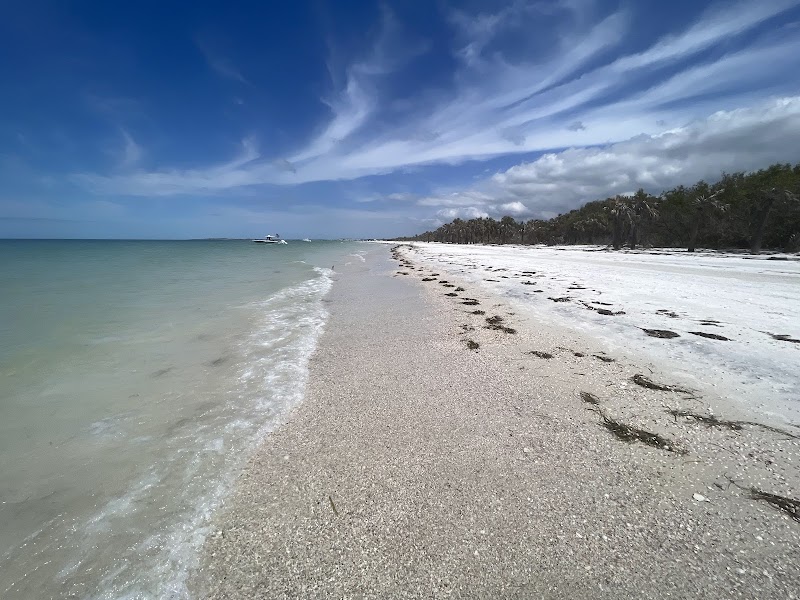
Tide Timing: The Gulf Coast is a landscape shaped by tides—low tide reveals exposed mudflats where shorebirds feast, while high tide conceals those same feeding grounds beneath restless water. Scheduling tours to coincide with falling or low tides enhances sighting opportunities of shorebirds, fiddler crabs, and elusive fish moving into shallow lagoons. Conversely, higher tides bring dolphins closer to shore, following fish pushed by advancing currents.
Seasonal Dynamics: Winter chills bring migratory birds such as sandpipers and ducks, giving birdwatchers a front-row seat to journeying flocks that rest and refuel in protected bays. Spring and summer awaken the Gulf’s biodiversity: shorebirds nesting, sea turtles arriving to lay eggs, and alligators basking under flushed sunrays. Fall invites a quieter pace but ramps up marine life activity as fish prepare for spawning, attracting their predators.
Weather Factors: Overcast skies often encourage animal movement, offering softer light and cooler temperatures that coax wildlife to feed and explore longer. After rains, fresh scents pervade the marshes, and freshwater influxes alter salinity, prompting fish migrations and increased bird activity. Strong winds, however, push animals into shelter, making them harder to spot.
Practical Planning Tips: If you’re targeting specific wildlife, plan tours around tide charts and sunrise/sunset times. Equip yourself with binoculars for spotting distant birds, and wear sturdy waterproof boots suited for muddy terrain. Hydration is key, especially in humid seasons—pack at least two liters per person. Lightweight, breathable clothing protects from insects and sun.
Tracing the Gulf Coast’s living pulse by aligning with natural timing isn’t just practical—it transforms a tour into a genuine wildlife dialogue. The landscape is fiercely itself, a place where currents dare to pull and creatures respond with vital rhythms. Planning with timing in mind unlocks that dynamic relationship, offering encounters that are vivid, rewarding, and respect the wild pulse of this coastal ecosystem.
Nearby Trips
All Adventures
Boat Charters
Water Activities
Adventures near Tampa
Discover the unique and memorable adventures that make Tampa special.
Frequently Asked Questions
When is the best tide to spot shorebirds on Gulf Coast tours?
Low tide provides the broadest exposure of mudflats and tidal pools, where shorebirds forage actively. Plan your trip within 2 hours before and after the lowest tide for the best sightings.
Are there any rare or endangered species visible on these tours?
Yes. Depending on timing, you might see nesting Kemp’s Ridley sea turtles, an endangered species. Certain migratory birds like the piping plover also stop here during migration seasons.
How can I avoid insect bites during summer tours?
Wear long sleeves and pants treated with insect repellent, choose lightweight breathable fabrics, and plan hiking during breezy periods or after storms when bugs lessen.
Is there a risk of strong currents or tides affecting tour safety?
Guided tours follow established trails and boat routes tailored to minimize risks. Still, understanding tide times is crucial to avoid being caught on mudflats during rising tides.
Are dogs allowed on wildlife tours along the Gulf Coast?
Policies vary by tour operator and protected areas, but generally dogs are discouraged because they can disturb sensitive wildlife. Check ahead for specific restrictions.
What’s a lesser-known spot for wildlife viewing on the Gulf Coast?
Look for the lesser-visited backchannels near Fort De Soto Park—these quiet waterways hold rich bird populations and are less trafficked by tourists.
Recommended Gear
Waterproof hiking boots
Protects against mud and water on marsh trails, essential for comfort and safety.
Lightweight binoculars
Key for spotting distant wildlife such as birds or dolphins.
Wide-brimmed hat
Shields face and neck from intense sun exposure during midday.
Reusable water bottle (at least 2 liters)
Hydration is critical in humid Gulf Coast conditions.
Local Insights
Hidden Gems
- "Fort De Soto Park backchannels"
- "Shell Key Preserve sandbars accessible at low tide"
- "Little Manatee River estuary"
Wildlife
- "Bottlenose dolphins"
- "Roseate spoonbills"
- "American alligators"
- "Osprey hunting over estuaries"
History
"The Gulf Coast's barrier islands once served as crucial fishing grounds and trading routes for indigenous peoples; remnants of early settlements can sometimes be spotted near shore."