Florida’s Gulf Coast offers an unmatched blend of vibrant marine wildlife and timeless historic sites. Discover practical tips and detailed guidelines to capture stunning images while respecting this living environment and its rich heritage.
Shoot During Golden Hours
Early morning and late afternoon provide soft, warm light ideal for highlighting both marine life and historic textures without harsh shadows.
Use Long Lenses for Wildlife
Bring a telephoto lens to photograph animals from a distance, minimizing disturbance and capturing natural behavior.
Respect Fragile Ecosystems
Avoid trampling seagrass beds and stay on designated paths at historic sites to protect the environment and cultural remnants.
Prepare for Heat and Sun
Wear sun protection, bring water, and choose breathable clothing; the Gulf Coast sun can be relentless, especially mid-day.
Capturing Florida’s Gulf Coast: Essential Guidelines for Photographing Marine Wildlife and Historic Sites

Cabbage Key Cruise
Manatees, Gopher Tortoises, and a "Cheeseburger In Paradise"
Discover the beauty of Florida's Gulf Coast on the Cabbage Key Cruise with TanMan Charters FL. This relaxing boat tour offers stunning views, wildlife sightings, and a taste of island history—perfect for your next outdoor adventure.
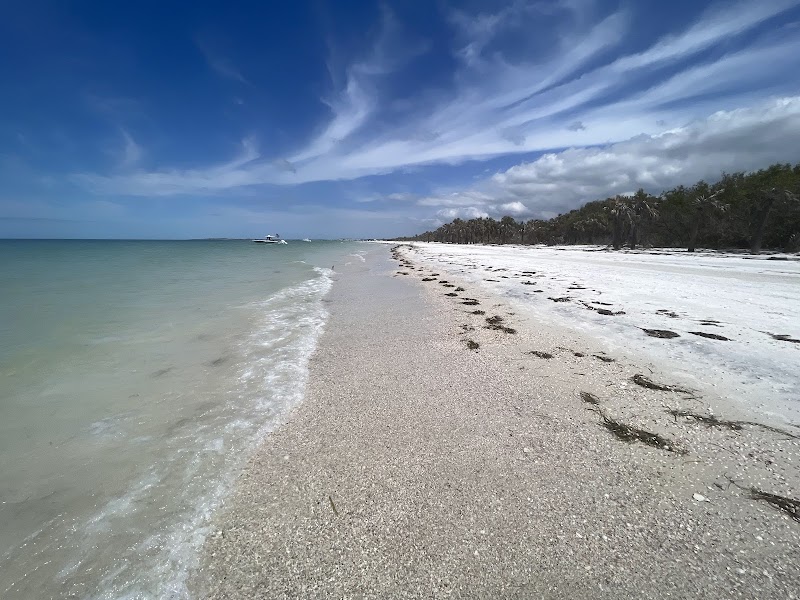
Florida's Gulf Coast stretches wide, where saltwater beckons alongside echoes of the past etched in weathered forts and sleepy shorelines. This dual allure invites photographers to engage with two worlds distinctly alive: the marine wildlife darting beneath sunbaked waves and the historic sites standing firm against time's tides.
Start your photographic journey early, when the golden hour casts long, warm shadows and marine life stirs near the shallows. Tampa Bay and its surrounding waters pulse with activity — dolphins surfing the currents, manatees cruising the seagrass beds, and pelicans perched with sharp eyes scanning the waters like silent watchers. Use a telephoto lens here to minimize disturbance; marine creatures are fierce in their territory and demand respect. Patience wins the best shots — watch and wait for moments of natural interaction.
Historic sites like Fort De Soto Park or the Spanish-influenced architecture of the nearby towns offer sharp contrasts to the fluidity of the coastal ecosystem. The textured stone walls, rusted cannons, and narrow windows tell stories, offering a stable frame against the moving backdrop of waves and sky. Midday’s harsh light is less forgiving here; opt for early morning or late afternoon to highlight the carved details and weathered surfaces that define these locations.
Get practical: sturdy footwear is a must, especially if you intend to traverse uneven paths or sandy stretches between photo spots. Hydration will fend off the sun’s push; the coast can be generous and relentless—the breeze clear, but the heat steady. Bring a lightweight tripod and polarizing filter. The tripod steadies shots in low light or when capturing the subtle movements of marine life at the water's edge. The polarizer reduces glare off water and enhances the colors of both sea and sky.
Respect the environment. Avoid stepping on fragile seagrass beds or disturbing nesting birds. Historic sites demand the same care—stay on marked paths, lest fragile structures or archaeological layers be harmed. Leave no trace, but bring home images that speak to the raw and permanent spirits of this place.
For accessibility, consider locations like Honeymoon Island or Caladesi Island State Park, where boardwalks guide you close to the water and historic points without imposing on delicate habitats. The Gulf Coast challenges you to balance your eagerness with the stealth of a visitor aware of natural rhythms and human history. The wind eagerly shifts, the tides remind of their reach, and the ancient stones watch patiently—your photographs becoming part of their ongoing story.
In this stretch of Florida’s Gulf Coast, your lens catches more than just light: it captures moments where wildlife and history both play roles, fiercely themselves, inviting your presence and awaiting your respectful gaze.
Nearby Trips
All Adventures
Boat Charters
Water Activities
Adventures near Tampa
Discover the unique and memorable adventures that make Tampa special.
Frequently Asked Questions
What permits are required for photographing wildlife and historic sites on the Gulf Coast?
Photography for personal use generally doesn't require permits, but drone use and commercial photography do. Check with local park authorities like those managing Fort De Soto Park or state wildlife agencies to ensure compliance.
Are there any restrictions on approaching marine wildlife?
Yes, federal and state laws protect marine mammals and threatened species such as manatees. Maintain a minimum distance (usually 50 yards) to minimize stress and interference with their natural behavior.
When is the best time to photograph historic sites for softer, more flattering light?
Early morning and late afternoon are optimal, often called the 'golden hours,' when sunlight casts softer shadows and reveals architectural details more vividly.
What local wildlife might I commonly see besides marine mammals?
Expect to spot a variety of shorebirds like ospreys, herons, and pelicans, as well as occasional sea turtles and fish species near the surface, especially around seagrass patches.
Are there lesser-known spots on the Gulf Coast worth photographing?
Yes, locations like Shell Key Preserve and Egmont Key offer quieter, less crowded opportunities with pristine beaches and undisturbed habitats.
How can I minimize my environmental impact while photographing?
Stick to marked trails, avoid flash photography near wildlife, don’t feed or touch animals, and carry out all trash. Respect signage designed to protect nesting or sensitive areas.
Recommended Gear
Telephoto Lens
Critical for capturing distant marine wildlife without disturbing their natural behavior.
Polarizing Filter
Reduces water glare and enhances color saturation for both wildlife and architectural subjects.
Lightweight Tripod
Stabilizes shots during low-light conditions or when using long exposure for smooth water effects.
Sun Protection (Hat, Sunscreen)
Protects against intense Gulf Coast sun, especially during midday hours.
Local Insights
Hidden Gems
- "Egmont Key Lighthouse and surrounding ruins"
- "Rustic trails at Shell Key Preserve"
- "Secluded coves in Caladesi Island State Park"
Wildlife
- "Bottlenose dolphins that often ride incoming currents"
- "West Indian manatees seeking quiet seagrass beds"
- "Roseate spoonbills shimmering pink in shallow lagoons"
History
"The Gulf Coast was a strategic point for Spanish explorers and later U.S. defenses, marked by forts like Fort De Soto that resisted time and battle. These sites reveal Florida’s layered colonial and military past."