Egmont Key invites paddlers and snorkelers to engage with its clear waters and historic shores. This guide helps you pack smartly for a safe, invigorating adventure on the water and beneath the waves, balancing practical advice with the thrill of exploring an island that commands respect.
Waterproof Your Gear
Use dry bags and waterproof cases for your essentials to protect against saltwater and sudden splashes.
Plan for Hydration
Carry at least two liters of water per person; paddling and sun exposure can dehydrate you faster than expected.
Wear Proper Footwear
Water shoes with sturdy soles protect against sharp coral and rocks when snorkeling or landing on shore.
Check Tides and Currents
Currents around Egmont Key can shift swiftly; kayak during slack tide to avoid strenuous crossings.
Packing Smart for Kayaking and Snorkeling at Egmont Key

Egmont Key State Park Tour
Enjoy your day on Egmont Key State Park!
Discover a secluded island near Tampa Bay with Sarasota Coastal Boat Tours. Uncover historic sites, swim in turquoise waters, and walk along untouched sandy trails—an adventure perfect for nature and history lovers alike.
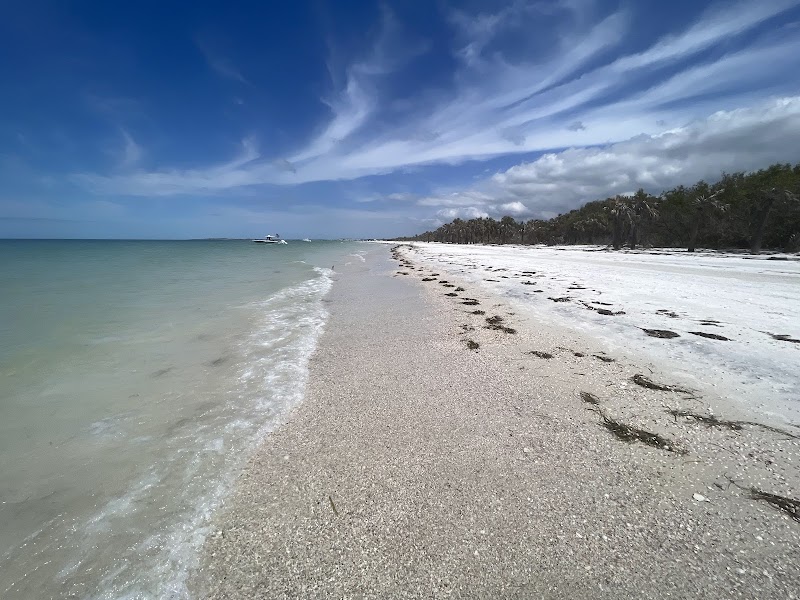
Egmont Key challenges and charms in equal measure—a flat 212-acre island off the Tampa Bay coast, guarded by miles of turquoise waters that coax adventurers to paddle and dive into their depths. Getting there means a boat ride from Fort De Soto or a kayak crossing that pushes your resolve through shifting currents and waves that dare you forward. Planning your gear for kayaking and snorkeling here is more than convenience; it’s about respect for the island’s fierce yet inviting personality.
Start with a lightweight, sturdy kayak bag with waterproof features. Salt spray and sudden splashes will test any ordinary pack. Inside, keep essentials like water, snacks, sunblock, and a small first aid kit organized and easily reachable. Water is your true companion—carry at least two liters per person. The sun hammers down relentlessly on open water, taught to blister any unprepared skin, so a wide-brimmed hat and polarized sunglasses are non-negotiable.
Snorkeling around the key reveals coral ridges and fish darting with purpose. A high-quality mask with anti-fog treatment will keep your vision sharp; rash guards aren’t just for sun protection—they also stave off coral abrasions and jellyfish grazes. Fins should fit snug and fasten securely; losing one in the currents isn’t a challenge to welcome. Waterproof reef-safe sunscreen is a must, applied at least 20 minutes before launch to anchor its effectiveness.
Don’t overlook practical footwear—water shoes with a firm sole protect feet when stepping into the rocky shoreline or wading through underwater rubble. Packing an extra dry bag saves electronics and spare clothing from salt’s grip. Timing also plays a quiet but crucial role: launch early morning or late afternoon to avoid peak sun and benefit from calmer waters.
The island holds traces of old Fort Dade resting squarely on dense dune ridges, offering a silent counterpoint to the energetic lapping of waves. Each step on Egmont Key is a dance with an island fiercely itself, rowdily alive under the sun and quietly watchful once the boat engine fades behind you.
Preparation means less distraction, more immersion. With the right gear and respect for the island’s rhythms, kayaking and snorkeling here blend into a singular adventure—one that stirs the pulse without overwhelming it.
Nearby Trips
All Adventures
Boat Charters
Water Activities
Adventures near Tampa
Discover the unique and memorable adventures that make Tampa special.
Frequently Asked Questions
How do I get to Egmont Key for kayaking and snorkeling?
You can launch kayaks from Fort De Soto Park, approximately a 6-mile paddle each way across Tampa Bay’s open waters. Alternatively, boat tours and ferries operate from nearby piers for a shorter trip.
Are there designated snorkeling spots around Egmont Key?
Yes, snorkeling is best around the northwest and south shores where coral reefs cluster, offering the clearest water and abundant marine life.
What wildlife should I watch for while on Egmont Key?
Keep an eye out for brown pelicans nesting onshore, various shorebirds, and abundant fish species like grunts and parrotfish that dart near reefs.
Is it safe to kayak alone around Egmont Key?
Solo kayaking is possible but not recommended without experience; currents can change, and conditions can become challenging quickly. Always inform someone of your plans and check tides beforehand.
What permits or fees are required for visiting Egmont Key?
There is a small boat landing fee collected at Fort De Soto Park when launching kayaks. The island itself is managed by the Egmont Key State Park system, which is free to enter.
Are there restrictions to protect the island’s ecosystem?
Yes, visitors must avoid disturbing dune vegetation and nesting bird habitats. Anchoring on coral reefs is prohibited, and all visitors should practice Leave No Trace principles.
Recommended Gear
Waterproof Dry Bag
Keeps your gear dry and protected from splashes, critical for phones, snacks, and extra clothes.
Rash Guard
Protects skin against sunburn and jellyfish stings while snorkeling.
Polarized Sunglasses
Reduces glare off water surfaces, helping navigation and eye protection.
Fins and Snorkel Mask
Improves swimming efficiency and underwater visibility in coral areas.
Local Insights
Hidden Gems
- "The old Fort Dade ruins provide quiet exploration spots away from the main picnic areas."
- "Small sandy coves on the island’s east side offer solitude and crystal-clear water for snorkeling."
Wildlife
- "Brown pelican colonies and wintering shorebirds such as sanderlings frequent the shores."
- "Marine life includes colorful reef fish, sea turtles, and occasional manatees nearshore."
History
"Egmont Key was once a strategic military outpost with Fort Dade dating back to the late 1800s; it also served as a quarantine station and lighthouse site, leaving behind a rich historical footprint."