Florida’s Gulf Coast offers anglers a vibrant, ever-changing fishing experience shaped by the region’s shifting seasons. This guide equips you with practical insights to fish smarter by understanding the best times to target species, seasonal challenges, and how the Gulf’s natural forces shape each outing.
Monitor Tide and Weather Patterns
Fishing success on the Gulf Coast hinges on tides and weather shifts—plan trips during favorable tides and check forecasts for sudden changes that can affect fish behavior and safety.
Use Season-Specific Tackle
Adjust your gear according to the species active each season, such as lighter tackle for spring snook or heavier setups for summer grouper offshore.
Early Mornings Are Key
Start before sunrise when fish are feeding actively and waters are calmer, making it easier to read currents and spot activity.
Protect Against the Elements
Prepare for strong sun in summer, sudden rains in spring, and chilly winds in winter with appropriate clothing, hydration, and sun protection.
Navigating Seasonal Fishing Along Florida’s Gulf Coast: What Anglers Need to Know

4 Hour Inshore Fishing Charters
For all ages • Price includes 2 people
Discover the excitement of inshore fishing in Clearwater with a private 4-hour charter. Perfect for anglers of all levels, this experience offers personalized guidance and the chance to catch local species along Florida's Gulf Coast.
Florida’s Gulf Coast is a living, breathing entity—its waters shifting in mood and bounty with every season, daring anglers to adapt and anticipate. From the bustling flats near Tampa Bay to the quieter mangroves hugging the shorelines, fishing here is a dynamic dance with tides, temperature swings, and migratory patterns. Understanding these seasonal rhythms isn’t just helpful—it’s essential to make the most of your time on Florida’s coastal waters.
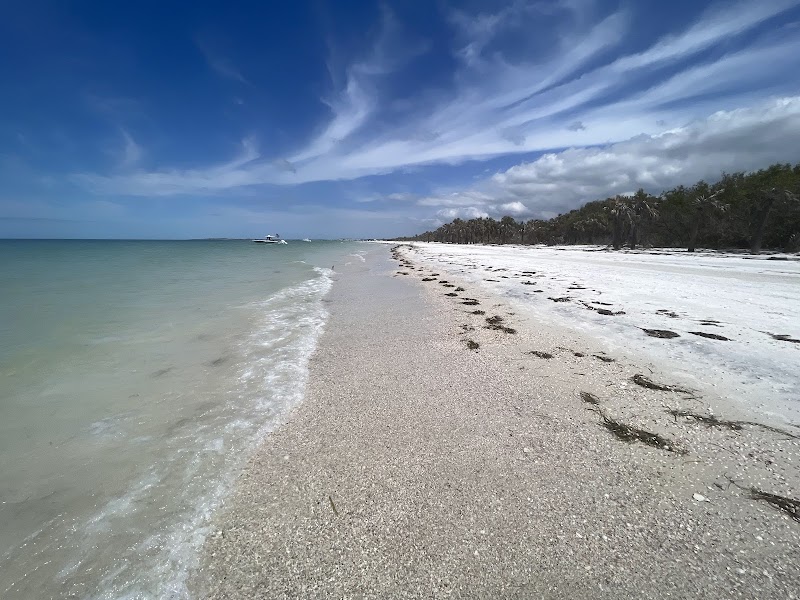
Spring kicks off with water warming and fish waking from cooler months. Reds and snook move into the shallows to spawn, drawing anglers to estuaries and bays where tarpon begin their feast. The terrain here is varied—muddy flats punctuated with oyster beds, narrow channels winding through mangroves, and sandy beaches shaping the horizon. Expect moderate conditions with afternoon thunderstorms that push you ashore early; water clarity tends to improve after rains settle.
Summer brings its own pulse—water temperatures drive many species deeper, but also spark abundant baitfish runs. The offshore reefs and wrecks come alive with snapper and grouper, their colors vivid against coral and steel. Currents speed up around passes, challenging your boat handling, and midday heat becomes an active opponent. Early morning fishing sessions are a must, with hydration and sun protection as your frontline gear. This season tests stamina but rewards with spectacular trophies in cooler depths.
Fall is the Gulf’s second spring: cooler waters push species closer to shore, creating hotspots around river mouths as baitfish gather. Tarpon thrash against the incoming tides, and snook stage near bridges and docks. This transitional season offers steady fishing, though sudden cold fronts can chill the water and slow the bite. Mornings are best—expect a dance between sun and fog as your backdrop, while currents play tricks along barrier islands.
Winter is quieter but far from empty. Trout congregate near deeper channels, and redfish stay in protected passes, tested by cooler brackish water. The Gulf’s temperament stiffens with cold fronts steering wind and wave height. Shore-based fishing takes precedence here with flats and piers offering good access. Dress in layers, prepare for brisk winds, and relish the clear, sharp air that sharpens your senses.
Engagement with the Gulf’s cycle means respecting its fierce independence. Its currents push you, its weather warns, and its fish respond to conditions you’ve learned to read. Preparation is practical: checking tide charts, optimizing tackle for season-specific species, and timing your trips around daily and seasonal cycles. Each fishery is a snapshot—a fleeting moment where opportunity and challenge intersect along the ever-moving coastline.
To come prepared means blending the excitement of the chase with pragmatic planning. Be ready to adjust your lures, locations, and timing as the Gulf shifts beneath your boat. This adventure isn’t just about what you hook—it’s about reading a waterway alive with seasonal purpose, learning its language, and proving your skills in concert with its wild beat.
Nearby Trips
All Adventures
Boat Charters
Water Activities
Adventures near Tampa
Discover the unique and memorable adventures that make Tampa special.
Frequently Asked Questions
What fish species are most active during each season along the Gulf Coast?
Spring favors redfish, snook, and tarpon as they move shallow to spawn. Summer sees deeper water species like snapper and grouper become active offshore. Fall offers good tarpon and snook fishing near river mouths, while winter targets trout and redfish near deeper channels and protected waters.
How do tides affect fishing conditions in the Gulf Coast?
Tides drastically influence fish feeding behavior and access to shallow feeding grounds. High tides bring species onto flats and mangroves, while low tides can concentrate fish in channels. Timing your trip around tide changes optimizes fishing opportunities.
What hazards should anglers prepare for when fishing along the Gulf Coast in summer?
Summer hazards include intense heat, sudden thunderstorms, and strong offshore currents. Sun protection, staying hydrated, and careful weather monitoring are crucial to staying safe.
Are there any lesser-known fishing spots near Tampa worth exploring?
Little-known mangrove-lined creeks and back bays around Hillsborough Bay present excellent opportunities for snook and redfish in less crowded areas, especially during the fall migration.
Is shore-based fishing viable during winter months?
Yes. During winter, shore-based spots like piers and deeper tidal passes remain productive because fish group in warmer protected waters.
What role does local weather play in planning a Gulf Coast fishing trip?
Local weather influences wind, water temperatures, and fish behavior rapidly. Cold fronts can suppress fish activity, while stable conditions promote better bites. Monitoring hourly forecasts helps align your plans with fish activity.
Recommended Gear
Multi-weight Fishing Rod
Versatile rod suited for various species and fishing styles encountered throughout the year.
Hydration Pack
Critical for staying hydrated during hot midday hours when sun exposure is intense.
Polarized Sunglasses
Reduces water glare to spot fish and underwater structures more clearly, improving strike chances.
Layered Clothing
Allows adjustment for sharp temperature drops caused by cold fronts and wind.
Local Insights
Hidden Gems
- "Shell Key Preserve for quiet backcountry fishing"
- "Roberts Bay seagrass beds hosting juvenile tarpon"
- "Little Manatee River mouth for redfish in spring"
Wildlife
- "Dolphins often escort boats near passes"
- "Roseate spoonbills frequent marshy flats in winter"
- "Ospreys nest along coastal mangroves"
History
"The Gulf Coast region around Tampa was historically a hub for Native American fishing communities and later, pioneers who depended on these waters for their livelihoods. Traditional fishing techniques persist among local guides, blending heritage with modern angling."