Egmont Key offers a rugged Gulf Coast escape where beach grass anchors fragile dunes and wildlife thrives in raw, unspoiled habitats. Whether you’re a casual visitor or seasoned adventurer, these practical safety tips will prepare you for a responsible and rewarding experience amid the island’s natural forces.
Stay on Established Paths
Avoid trampling vegetation by sticking to marked trails; beach grass and dunes are vital for shoreline stability and wildlife nesting.
Use Sun Protection
Bring sunscreen, sunglasses, and a hat to guard against the intense Gulf sun, especially during midday excursions.
Respect Wildlife Boundaries
View animals from a distance and never feed or disturb wildlife to maintain natural behaviors and avoid conflicts.
Hydrate Generously
Carry at least two liters of water per person to prevent dehydration, as shade is limited and temperatures rise quickly.
Beach Grass and Wildlife Safety Tips for Gulf of Mexico Adventures Near Egmont Key

Site Seeing and Island Hopping
For all ages! • Prices starting at $300 • Up to 6 passengers!
Discover the beauty of Tampa Bay through an exclusive private island hopping and fishing tour. Explore remote islands, enjoy stunning views, and catch your own fresh fish in this unforgettable adventure.
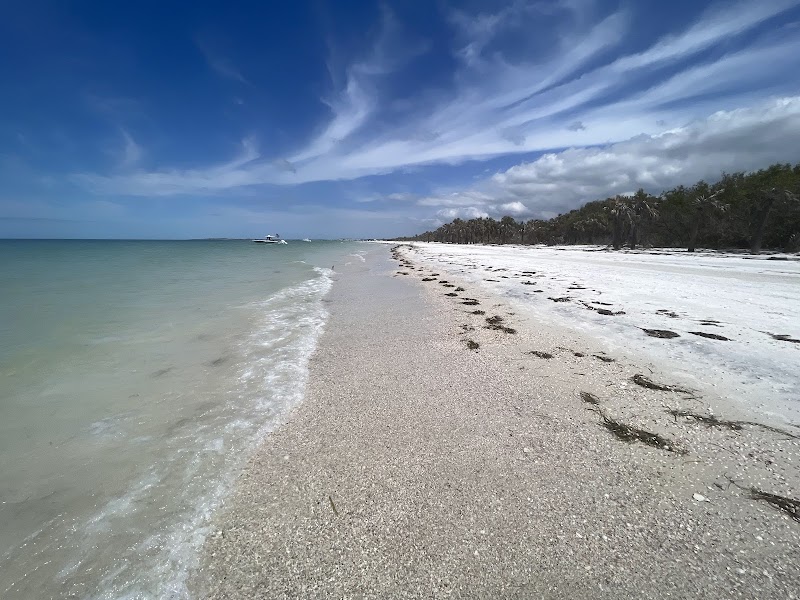
Exploring Egmont Key offers a rugged taste of the Gulf’s raw coast, where scruffy beach grass beckons travelers to slow down and tune in to nature’s rhythm. This small island park lies just off the coast of Tampa Bay, presenting a terrain that’s more than sand and surf—it’s a living, breathing ecosystem. As you set foot on Egmont’s shoreline, the resilient beach grass anchors the dunes, standing as both guard and guide amid shifting sands pushed by the Gulf's currents. Navigating this environment requires respect for its tenacity and the wildlife it shelters.
Start your excursion by plotting your route carefully. The island’s flat terrain means there’s little elevation change, but rough sand and loose shells offer a subtle challenge. From the ferry dock, trails weave between grass patches and salt-tolerant shrubs, each step encouraging deliberate footing—not just for your safety, but to protect fragile plant life that stabilizes the dunes.
This beach grass, thriving in sun-scorched conditions, acts as an essential habitat for nesting birds and small creatures adapting to the island’s sparse shelter. Observe quietly and from a distance. Egmont Key is a wildlife haven, including shorebirds, crabs, and even the occasional sea turtle. Pay attention to posted signs marking protected areas, especially during nesting seasons from March to July, when disturbances can jeopardize fragile populations.
Wildlife encounters here are a call for cautious curiosity. Keep a safe distance from animals and resist the urge to feed them; human interaction disrupts their natural habits and survival. Remember, ticks and mosquitoes are active, particularly in warmer months, so applying insect repellent and wearing long sleeves during dawn and dusk will keep irritants at bay.
Hydration and sun protection cannot be overstressed. The Gulf sun drives heat up quickly over open beaches—a wide-brimmed hat, sunscreen, and water, at least two liters per person for a half-day visit, guard against heat exhaustion. Timing your trip in the cooler morning hours maximizes comfort and wildlife observation opportunities; evenings offer softer light and calmer currents for photography.
Footwear matters here: sturdy, closed-toe shoes handle loose sands and rocky patches better than sandals. Carry a small first aid kit with blister treatments and allergy meds if sensitive. Trash disposal points are scarce, so pack out everything you bring in.
Respect the fierce independence of the island’s ecosystem. Egmont Key’s beach grass and wildlife demand a visitor’s patience, awareness, and a practical mindset. The reward is a raw, unfiltered connection with one of Florida’s most distinct coastal environments, an experience as educational as it is adventurous.
Nearby Trips
All Adventures
Boat Charters
Water Activities
Adventures near Tampa
Discover the unique and memorable adventures that make Tampa special.
Frequently Asked Questions
What wildlife species are common on Egmont Key?
Egmont Key is home to nesting shorebirds like least terns and black skimmers, as well as crabs, small lizards, and sometimes sea turtles that come ashore. Birdwatchers can spot migratory species during spring and fall.
Are there any restrictions on visiting during bird nesting season?
Yes, from March to July certain areas of the island may close temporarily to protect nesting birds. Visitors should follow posted signs and stay on designated trails to avoid disturbing wildlife.
How do I reach Egmont Key and what should I know about the ferry?
Ferries depart from Fort De Soto Park near Tierra Verde, about a 40-minute drive from Tampa. The boat ride takes approximately 20 minutes, and schedules can vary seasonally, so booking in advance is recommended.
Can I swim or fish around Egmont Key?
Swimming is possible but be mindful of currents and marine life; always stay close to shore. Fishing is allowed in surrounding waters outside protected zones—check local regulations for seasonal restrictions.
Is there fresh water available on the island?
No fresh water sources exist on Egmont Key. Visitors must bring their own water, as dehydration is a common risk due to the island’s exposed environment.
Are pets allowed on Egmont Key?
Pets are not permitted. The island's sensitive habitats and wildlife could be disturbed, and there are limited facilities to accommodate animals safely.
Recommended Gear
Sturdy Closed-Toe Walking Shoes
Protect your feet from sharp shells, rough sand, and sudden terrain changes.
Hydration Pack or Water Bottles
Essential to stay hydrated on exposed trails with limited shade.
Insect Repellent
Mitigates bites from mosquitoes and ticks, common around coastal vegetation.
Sun Protection (Hat and Sunscreen)
Crucial to avoid sunburn and heat-related illnesses on the open beaches.
Local Insights
Hidden Gems
- "A small lighthouse tower—off-limits but visible from trails—is a favorite historic photo spot."
- "A forgotten beach bunker from WWII stands quietly among the dunes, often overlooked."
Wildlife
- "Look for the rare Florida Burrowing Owl on the island’s interior grassy areas, especially in early mornings."
- "During winter, migratory wading birds like sandpipers assemble along the shorelines."
History
"Egmont Key served strategically from the 1800s through WWII as a fort and quarantine station. Relics linger, blending military history with natural preservation."