Denali’s tundra changes with every hour, inviting hikers to experience its raw, shifting beauty up close. This guide offers practical timing tips to help adventurers plan their hikes for the best light, wildlife sightings, and weather windows in one of Alaska’s most rugged landscapes.
Start Your Hike at Sunrise
Early morning brings calm air and clear light, perfect for spotting wildlife and capturing sharp photos in soft tones.
Wear Layered Clothing
Temperatures shift quickly on the tundra; layering lets you adjust to chilly winds and sudden warmth from the sun.
Choose Footwear with Good Grip
Trails alternate between rocky and boggy zones, demanding solid ankle support and traction to prevent slips on uneven terrain.
Hydrate Regularly
Cool air can mask dehydration. Bring adequate water and sip steadily, especially during midday when physical effort peaks.
Timing Tips for Catching Denali’s Dynamic Tundra Scenes
Backcountry Walking Tour
Get outside! The mountains are calling, and you must go!
Discover the wild side of Alaska with a private backcountry walking tour in Denali National Park. Experience stunning landscapes, vibrant wildlife, and expert-guided adventure away from the crowds. Read on to learn what makes this trip truly special!
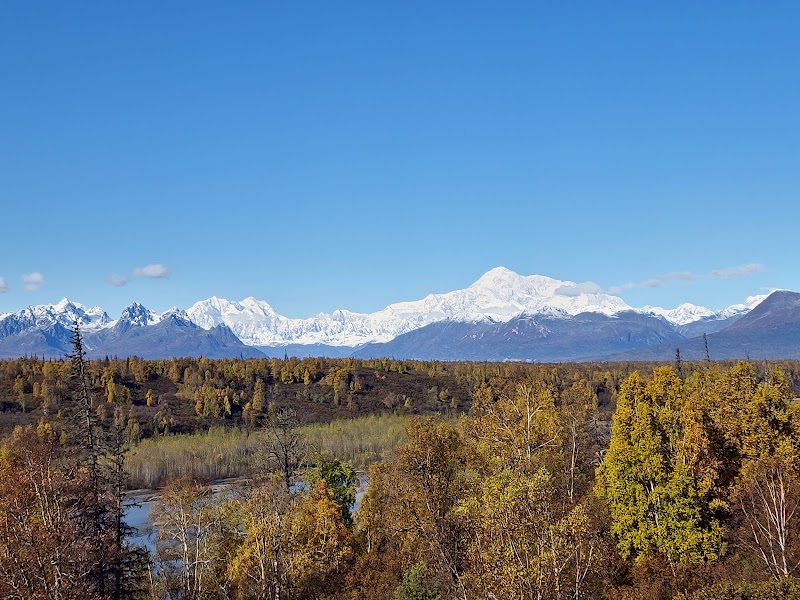
Denali's tundra is a living canvas, shifting with daylight and seasons, daring every hiker to witness its raw, fierce beauty. Planning when to hit the trails can turn a good visit into an unforgettable encounter. The key lies in understanding how the tundra’s character changes—from the slim morning light etching frost on leaves to the afternoon wind bending hardy shrubs and the golden hour painting the valley in amber.
Start early. Mornings just after sunrise offer crisp air and quieter scenes before the sun pushes the landscape into its full blaze. Expect the hike to unfold across rock-studded soil and low-lying vegetation, with a moderate elevation gain around 700 feet over 3 to 5 miles depending on your chosen path. The terrain is unforgiving but straightforward—rocky tundra paths interspersed with patches of spruce and willow stand firm underfoot, though occasional soggy spots remind you nature is alive and changing.
Use the midday hours pragmatically—this is when the tundra pulses with movement. Watch as winds challenge the shrubs and clouds muster shadows for dramatic contrast. Keep hydrated; even in cooler air, the physical demand is constant. Footwear with solid ankle support and grip is non-negotiable, given the uneven ground and hidden wet patches. Layering is key, as the tundra can flip from sun-warmed to chill-swept in minutes.
Afternoon light stretches shadows across the landscape, deepening textures of moss and lichen clinging stubbornly to rocks. Mid to late afternoon is ideal for photography, with light that reveals the contours of the land and its fierce vitality. Look for vantage points where river currents below seem to push forward relentlessly, a symbol of the tundra’s unyielding pulse.
Fall’s arrival rewrites the tundra with splashes of rust, gold, and crimson—a brief but fierce display before the frost returns. Hiking during this window means shorter days and rapidly cooling temps, so plan your timing carefully. Carry layers and be ready for sudden weather shifts. Wildlife is more visible: moose and caribou navigate the thinning shrubbery, while birds like ptarmigans flare their white winter plumage.
Ultimately, timing on Denali’s tundra is about respecting its rhythm—a cycle of light, color, and weather that demands awareness. Let the landscape surprise you but never underestimate it. Each step is a negotiation with a land fiercely itself, promising adventure to those ready to move with it.
Nearby Trips
All Adventures
Boat Charters
Water Activities
Adventures near Talkeetna
Discover the unique and memorable adventures that make Talkeetna special.
Frequently Asked Questions
When is the best time of day to see wildlife on Denali’s tundra?
Wildlife tends to be most active during early mornings and late afternoons when temperatures drop slightly and animals emerge from sheltered areas.
Are guided hikes necessary for exploring Denali’s tundra?
While not required for most trails, guided hikes are recommended for those unfamiliar with tundra terrain or looking to learn about local flora, fauna, and geology safely.
What hazards should hikers be aware of on the tundra?
Besides uneven and sometimes slippery terrain, hikers should watch for sudden weather changes, biting insects in summer, and the possibility of encountering large wildlife like bears or moose.
Are there any lesser-known viewpoints worth exploring?
Yes. The Thorofare Ridge, slightly off main trails, offers a panoramic view of Denali’s glacial rivers and expansive tundra valleys with far fewer visitors.
How does the tundra ecosystem recover from human impact?
The tundra is fragile; vegetation grows slowly. Staying on marked trails, avoiding trampling, and packing out all waste help minimize damage and preserve natural balance.
What role does photography play in experiencing Denali’s tundra?
Photography encourages observation and patience — two traits essential for spotting fleeting wildlife and capturing transient light on this ever-changing landscape.
Recommended Gear
Waterproof Hiking Boots
Keeps feet dry and provides grip on muddy or boggy tundra soil common during spring thaw.
Layered Clothing
Allows quick adaptation to rapid temperature and weather swings typical in Denali's tundra.
Mosquito Netting or Repellent
Protects against persistent insects that thrive in warmer months.
Daypack with Hydration System
Ensures steady hydration and carries extra layers, snacks, and emergency supplies.
Local Insights
Hidden Gems
- "Thorofare Ridge viewpoint offers expansive, less-traveled panoramas of the tundra."
- "Little Coal Creek reveals intimate riverbank flora and occasional moose sightings."
Wildlife
- "Watch for Dall sheep navigating rocky slopes and Arctic ground squirrels darting across the tundra."
- "Ptarmigans shift colors seasonally, blending with the changing landscape."
History
"Denali holds cultural significance for the Koyukon Athabascans who have lived in the area for generations, viewing the mountain and tundra as sacred land."