
A Denali aerial tour offers a unique vantage point to witness Alaska’s tallest peak and its surrounds. Learn how seasonal shifts shape weather, wildlife sightings, and visibility so you can pick the optimal time to experience the mountain’s raw power from the skies.
Book Early for Summer Slots
High season flights fill quickly—reserve your tour at least 3-4 months in advance to secure your preferred time and date.
Layer Your Clothing
Temperatures vary widely during aerial tours, especially with altitude and wind chill; wear moisture-wicking base layers and a windproof jacket.
Check Cancellation Policies
Weather can force last-minute program changes—understand cancellation and reschedule policies to avoid surprises and maximize your chances to fly.
Bring Binoculars and Camera
Although large windows offer great views, binoculars help spot distant wildlife; a camera with zoom capability is ideal to capture the dynamic landscape.
Timing Your Denali Aerial Tour: Seasonal Secrets and Practical Advice

Denali Grand Tour
Recommended for Ages 8 and up • 1.5 Hours • See Denali from All Sides During Your Flight!
Take to the skies with K2 Aviation and see Denali, the tallest mountain in North America, from a breathtaking aerial perspective. This 90-minute flight delivers unmatched views of glaciers, ridges, and the iconic West Buttress Route. Perfect for adventurers seeking a unique way to witness Alaska’s rugged beauty.
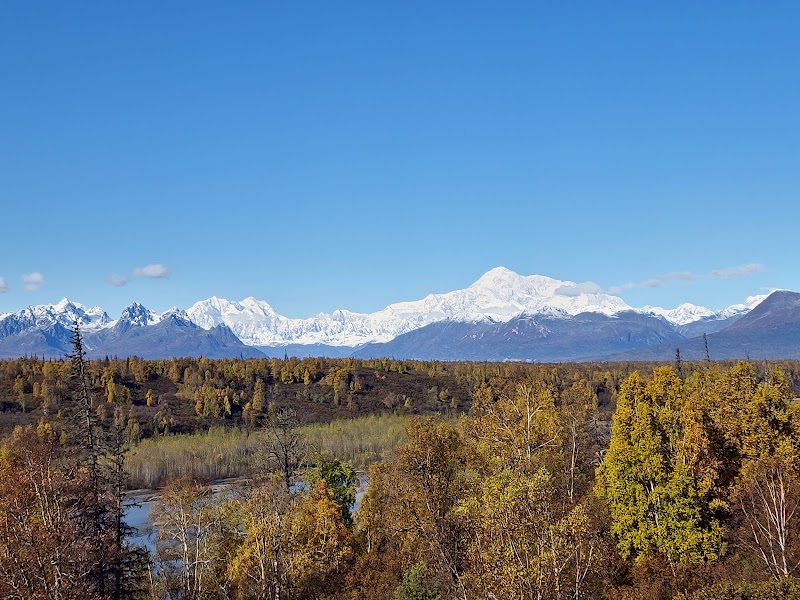
Hovering over Alaska’s Denali National Park by air is a chance to meet a wild landscape that is fierce and vast, weather shifting like a mood, and nature daring you to see it on its terms. The season you choose for your aerial tour sculpts the experience — light, wildlife, and visibility all contest for attention while the mountain reveals itself slowly, sometimes obscured, other times laid bare in breathtaking clarity.
Best Time to Fly
For most adventurers, late May through early September offers the clearest window. Summer’s long daylight stretches allow for flexible scheduling, and the warmer air often parts the clouds that can otherwise coil tightly around Mount Denali’s summit. Early summer brings exploding greenery below, wildflowers dotting the tundra, and active wildlife that prowls the landscape with purpose. August shifts the colors just enough to hint fall is near, and the angle of sun paints the massive peaks with softer, longer shadows.
Seasonal Trade-offs
Spring flights, from late April to early May, grapple with unpredictable weather — cold fronts push in strong winds that can rattle even the toughest aircraft, and clouds often hide the summit. Still, the quiet park below holds a special allure: snowpack stretches wide, and caribou or Dall sheep might dot the hillsides, cautious but visible.
Fall tours from mid-September to early October edge into a colder, quieter park. Days shrink quickly, increasing the chance of low cloud cover. But if luck holds, you’ll catch vivid orange and red bursts across the scrub and a peaceful stillness that summer’s bustle denies.
Weather and Visibility
The mountain itself commands respect. It summons clouds, which thicken suddenly, reducing visibility. Pilots often plan flights early in the morning or mid-afternoon when thermals are less turbulent and light spills cleanly over peak and valley. Afternoon flights risk more cloud cover but can offer dramatic shifting light.
Planning Your Trip
Book early for peak season, especially June through August, and confirm weather policies with your tour provider — cancellations happen, but rescheduling is key. Dress in layers even if the outside temperature feels mild; winds on the plane’s open windows, or slight altitude chills, demand preparation. Use sturdy footwear for pre- or post-flight hiking stops along park trails or viewpoints.
Wildlife and Views from Above
Your eyes will scan a world of ridged glaciers daring gravity’s pull and rivers carving ancient routes. Eagles and falcons might sweep past, casting shadows that race the aircraft. The mountain’s relentless force is visible all around, a reminder that this isn’t a tame landscape but a terrain that expects respect.
Timing your Denali aerial tour is an exercise in patience and preparedness — the mountain’s mood decides the show. Choose your season to balance weather odds, daylight, and wildlife activity, and you’ll be rewarded with a window into Alaska’s powerhouse peak framed against the expansive wilderness it commands.
Nearby Trips
All Adventures
Boat Charters
Water Activities
Adventures near Talkeetna
Discover the unique and memorable adventures that make Talkeetna special.
Frequently Asked Questions
What is the best time of day to take a Denali aerial tour?
Early morning or mid-afternoon flights generally offer the clearest visibility with less turbulent air. Morning light softens the landscape, while mid-afternoon light can create dramatic shadows on peaks.
Are aerial tours available year-round?
No, tours operate mainly from late spring through early fall (May to September) due to weather conditions, daylight hours, and safety concerns in winter months.
Can I spot wildlife from the air during the tour?
Yes, animals like Dall sheep, caribou, and occasionally bears can be seen grazing or moving across tundra and valleys. Eagles and other raptors are often visible soaring around the ridges.
How do weather conditions affect the flight?
Denali’s weather changes rapidly. Clouds can obscure views, and strong winds or turbulence might delay or cancel flights. Pilots monitor conditions closely for safety and optimal viewing.
Is there any walking involved in the tour experience?
Typically, walking is minimal and mostly occurs near the airstrip during boarding or disembarking. Depending on the operator, short hikes to viewpoints might be offered before or after the flight.
What should I bring to stay comfortable during the flight?
Dress in layers, bring a windproof jacket, pack a small water bottle, and have a camera and binoculars handy. Sunglasses can also help with glare from snow and ice.
Recommended Gear
Layered clothing
Light base layers with windproof outerwear help manage changing temperatures and wind chill during flight.
Binoculars
Optional but useful for spotting distant wildlife and details on glaciers and mountain slopes.
Camera with zoom lens
Captures the sweeping vistas and wildlife; zoom optics enable close-ups from the air.
Sturdy footwear
Required for any walking before or after flights on potentially uneven or rocky terrain near the airstrip.
Local Insights
Hidden Gems
- "McKinley Bar Glacier viewpoint accessible by certain tour operators"
- "Airstrip spots with unobstructed panoramic views of the Alaska Range"
- "Quiet tributary valleys where wildlife concentrate during summer"
Wildlife
- "Dall sheep clusters on rocky ridges"
- "Moose feeding along riverbanks"
- "Golden eagles nest in remote cliff faces"
History
"Denali’s aerial tours began as a way to access the park’s vast expanse beyond road limits, allowing early explorers and adventurers to see the mountain’s formidable presence from the sky, a perspective that underscores both natural beauty and the mountain’s imposing challenge."