
Experience Red Mountain’s rugged beauty on horseback, rain or shine. This practical guide equips you for an 8-mile trek across diverse terrain, ensuring you’re ready for whatever Alaska’s weather throws your way.
Layer for Variable Weather
Bring lightweight waterproof layers paired with moisture-wicking base clothes to stay dry and comfortable throughout your ride.
Choose Footwear with Grip
Wear sturdy riding boots with good tread to handle slick, uneven terrain, especially after rainfall.
Hydrate Consistently
Carry at least two liters of water; cold weather can mask dehydration but your body still needs fluids.
Start Early to Avoid Afternoon Weather Swings
Alaska’s weather can shift quickly; morning rides often offer drier, calmer conditions than afternoons.
Navigating Red Mountain’s Rain or Shine: A Horseback Adventure Guide

Horse Back Riding and Alaska Zipline Adventure Combo
Ages 8+ • 80-200 Pounds • 5-6 Hours
Discover the thrill of combining horseback riding with adrenaline-pumping ziplining on Sunderland Ranch near Palmer, Alaska. This adventure pairs scenic trails with canopy flights, creating a perfect day for families and thrill-seekers alike.
There’s a rare kind of adventure waiting at Red Mountain, Alaska — one that challenges you to meet the elements head-on whether the sky pours or holds back. This horseback ride spans roughly 8 miles round trip, climbing about 1,200 feet through thick spruce forests and open ridges where the wind tests the sturdiness of saddle and rider alike. The terrain alternates between soft, mossy trails that cushion your horse’s steps and patches of rugged exposed rock that demand steady footing.
The ride’s pace is steady, but the mountain insists you respect its rhythm: rivers dart alongside the path, daring you to keep focus as their currents rush impatiently; the wind breathes through the pines, sometimes a whisper, sometimes a gust that pushes you onward. Regardless of weather, the trail is well-maintained, yet preparedness is non-negotiable. When the rain falls, the earth becomes slick, so firm-traction footwear and strong gloves aid your grip and balance.
Starting at the Red Mountain stables near Talkeetna, expect to saddle up early to avoid midday wet chills. Carrying at least two liters of water is essential; cold weather can trick your thirst, but hydration fuels your stamina. Light, waterproof layers keep you dry and warm, layering beneath a breathable jacket for flexibility.
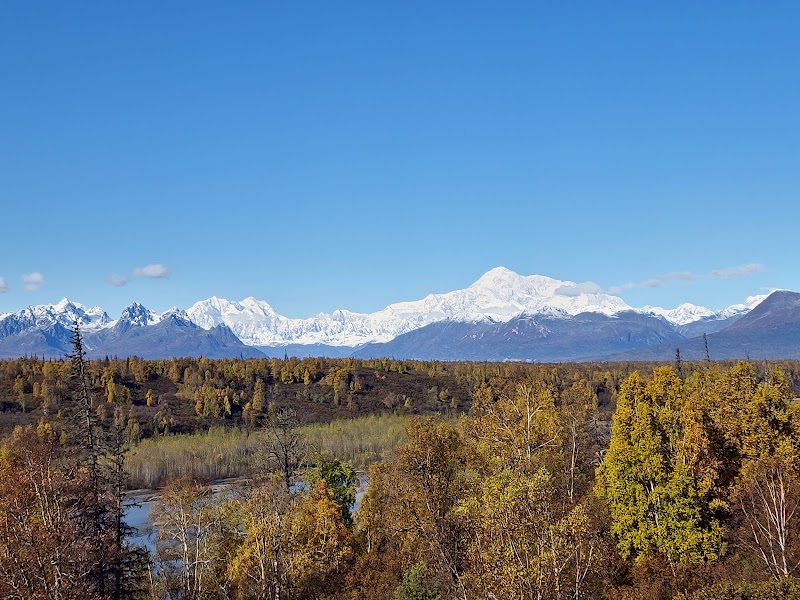
Along the ascent, watch the forest shift—moss-laden trees give way to alpine scrub, and suddenly the mountain opens to reveal a sweeping panorama of Denali’s jagged profiles. It’s a moment to pause, take photos, and breathe in the fierce independence of this place that refuses to be tamed.
For those planning this ride, ensure your horse is accustomed to varied terrain and weather. The partnership between rider and animal sets the tone: patient, alert, and respectful. Rain or shine, the mountain doesn’t negotiate, so check forecasts, prepare for sudden changes, and have a clear communication plan with your guides.
This horseback ride isn’t just an escape; it’s an active dialogue with a mountain proud of its hardships and beauty. The adventure is accessible to anyone ready to meet its demands head-on, rewarding you with a vivid taste of Alaska’s wild heart and the quiet thrill of mastering both path and weather on a journey that goes beyond the usual trail ride.
Nearby Trips
All Adventures
Boat Charters
Water Activities
Adventures near Talkeetna
Discover the unique and memorable adventures that make Talkeetna special.
Frequently Asked Questions
Is prior horseback riding experience required for the Red Mountain ride?
While beginners can participate, riders should be comfortable handling a horse at a slow to moderate pace and confident in maintaining balance on uneven terrain.
How do weather conditions affect the horseback ride?
Weather heavily influences trail safety and comfort. Rain makes the trail slippery, while colder temperatures call for warmer gear. Riders should prepare for changing conditions and listen to their guides.
Are horses provided, or do I bring my own?
Horses are typically provided by local stables near Talkeetna, allowing riders to focus on the experience without logistical concerns.
Can the ride be done in winter months?
Winter horseback rides are not commonly recommended due to snow and ice hazards, cold temperatures, and limited daylight—best reserved for advanced riders with specialized gear.
What wildlife might I encounter on the trail?
Riders often spot moose, eagles, and occasionally black bears from a distance. Keeping calm and quiet enhances wildlife viewing opportunities without disturbing the animals.
Are there any hidden viewpoints along the trail?
Yes. About halfway to the summit, a lesser-known ridge offers unobstructed views of Denali’s peak framed by rolling forested hills, an ideal spot for photography and rest.
Recommended Gear
Waterproof Riding Jacket
Protects against rain and wind without overheating, essential for unpredictable mountain weather.
Sturdy Riding Boots
Provide necessary grip and ankle support for muddy and rocky parts of the trail.
Hydration Pack
Allows easy access to water throughout the ride, crucial during warmer temperatures and long distances.
Thermal Base Layers
Keeps rider warm during colder mornings or sudden drops in temperature.
Local Insights
Hidden Gems
- "Quiet ridge viewpoint past the halfway point with panoramic vistas."
- "Small, secluded creek crosses often missed by casual riders, perfect for a calming water break."
Wildlife
- "Moose frequent the lower forested areas during early mornings."
- "Golden eagles circle the upper ridges, scanning the landscape below."
History
"The area around Red Mountain has been used by indigenous Dena’ina people for centuries for hunting and travel, with the mountain itself holding cultural significance as a landmark of endurance."