Timing is critical when hiking around Talkeetna if you want to spot wildlife in their natural rhythms. From morning bear sightings to dusk raptor flights, understanding daily and seasonal patterns equips you for a rewarding, well-prepared adventure.
Start Early to Catch the Dawn’s Wildlife Activity
Animals are most active just before and after sunrise. Begin your hike before dawn to increase your chances of spotting bears, moose, and birds feeding in the cooler hours.
Wear Waterproof Trail Boots
Spring and early summer trails near Talkeetna are often wet or muddy from snowmelt and river overflow. Proper footwear maintains footing and foot health.
Pack Insect Repellent and Stay Hydrated
Mosquitoes and black flies intensify in summer along forested and watery areas. Carry effective insect repellent and water to avoid fatigue and distraction.
Use Binoculars and Keep Distances
Wildlife in Talkeetna can be elusive. Bring binoculars to observe from a respectful distance that keeps animals undisturbed and you safe.
Mastering Timing to Spot Wildlife on Your Talkeetna Hike

Talkeetna Lakes Hike
2.5 - 3 Hours • 3-Mile Moderate Hike
Discover the serenity and natural beauty of Alaska on the Talkeetna Lakes Hike with Alaska Nature Guides. Perfect for all skill levels, this private trail offers stunning lakeside views and local wildlife encounters. Continue reading to find out more about what makes this adventure so special.
Hiking around Talkeetna isn't just about conquering terrain; it's about engaging with a wilderness fiercely itself, where every rustle and ripple hints at life thriving beyond the trail. Timing matters here—not only to manage daylight and weather but to align your journey with the habits of the area's wildlife. Whether you’re hiking the Jim’s Trail Loop, which covers roughly 5 miles with a moderate 800-foot elevation gain, or tackling the steeper gradient of the Talkeetna Lakes Trail, the flow of time shapes your chances of seeing animals in their natural rhythm.
Early mornings shift the forest into a living theatre. Wildlife wakes with deliberate movements. Bears amble near berry patches while moose venture to drink from lakes as fog clings close to the water’s edge. The forest paths are cooler, the air crisper—a practical advantage for stamina and mosquito avoidance as well. Late afternoons and dusk present another window; creatures like lynx and wolves test their limits under the weakening light. But day hikers should balance enthusiasm with caution: visibility wanes, and nervous wildlife may skitter away.
Seasonal timing adds an essential layer. Spring’s thaw awakens migratory birds and sets salmon upstream, drawing predators to riverbanks—prime viewing but requires prepared footwear for soggy trails. Summer delivers longer daylight hours and easier travel conditions, encouraging encounters with denser insect populations, so insect repellent and hydration packs are non-negotiable. Autumn casts the forest in gold, inviting elk and deer into lower valleys during rut season, while winter’s shorter days and snow challenge even the hardiest trailblazers, as wildlife retreats or relocates, shifting your strategy.
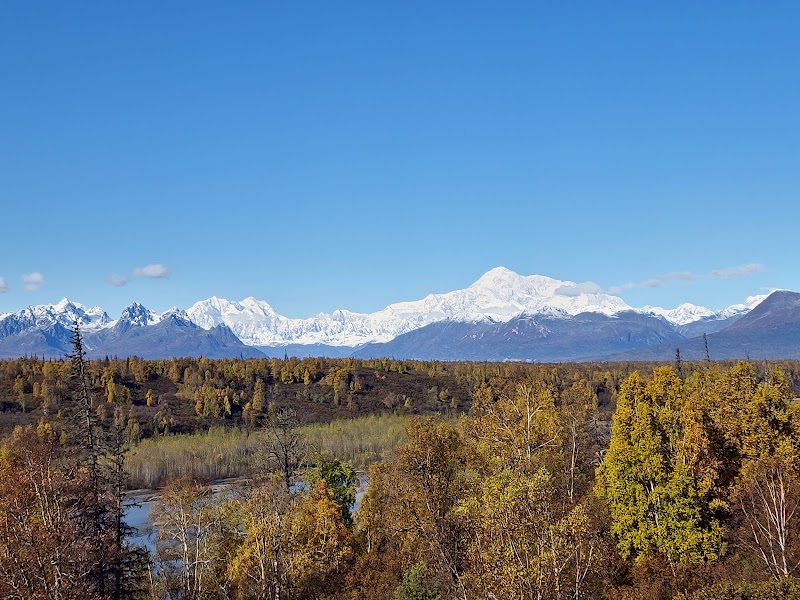
Understanding terrain matters too. Forested stretches along the Susitna River edge conceal otters and eagles perched like sentries, while open ridge lines invite sweeping views with opportunities to glimpse soaring raptors or grazing caribou. Each step, each pause on this hike, is a dialogue between you and the environment—a balance of patience, practical preparation, and respect. Your boots press earth that tells stories: damp moss cushions your stride and unstable, rocky climbs test your focus.
Practical preparation supports success. Break your hike into segments considering wildlife active windows—start early, pack layers for rapid weather shifts, and carry plenty of water to stave off fatigue. Trail boots with ankle support manage uneven ground; binoculars and cameras with zoom let you observe without intrusion. Keep noise levels moderate; stealth invites more than just quiet—it invites presence. With careful timing, your hike becomes a living encounter, a chance to witness Talkeetna’s wild residents as they go about their lives against a backdrop that’s as much a character as it is a setting.
Nearby Trips
All Adventures
Boat Charters
Water Activities
Adventures near Talkeetna
Discover the unique and memorable adventures that make Talkeetna special.
Frequently Asked Questions
What time of day is best for wildlife sightings on Talkeetna trails?
Early mornings just before and after sunrise are best for spotting wildlife such as bears, moose, and birds actively feeding. Late afternoon to dusk also offers chances, especially for nocturnal creatures, but reduced light demands extra caution.
Are bears common on Talkeetna hikes, and how should I prepare?
Yes, black bears and occasional grizzlies roam the region, especially near berry patches in late summer. Carry bear spray, make steady noise while hiking, and keep food sealed and away from your campsite or rest spots.
What are some less crowded viewpoints to see wildlife around Talkeetna?
The overlook near the Talkeetna Lakes Trail junction provides a quieter vantage point where eagles and moose are regularly spotted. Also, the forest edge along the Susitna River reveals otters without the usual crowd.
How can I minimize my impact on Talkeetna’s wildlife habitats?
Stick to established trails to prevent vegetation damage and erosion. Avoid approaching or feeding animals. Carry out all trash and practice Leave No Trace principles to sustain this fiercely wild environment.
What wildlife should I expect to see in fall compared to summer?
In fall, watch for elk and deer engaging in rutting behaviors, plus the shifting patterns of birds migrating. Summer offers more sightings of active moose, black bears, and nesting raptors as wildlife takes advantage of longer days.
Are there any cultural aspects related to wildlife in Talkeetna to be aware of?
Talkeetna’s history is tied to indigenous Athabaskan people who have long respected local wildlife as crucial elements of their traditions. Recognizing these cultural ties enhances understanding and respect for conservation efforts.
Recommended Gear
Waterproof Trail Boots
Keeps feet dry and supports ankles on uneven, wet terrain common during melt seasons.
Insect Repellent
Protects against mosquitoes and black flies prevalent during warmer months.
Binoculars
Enhances distant wildlife viewing without disturbing animals.
Layered Clothing
Allows adjustment to rapidly changing weather conditions throughout the day.
Local Insights
Hidden Gems
- "The quiet bend of the Susitna River near Jim's Trail yields close encounters with otters and kingfishers."
- "A little-used spur along the Talkeetna Lakes Trail offers panoramic views often missed by most hikers."
Wildlife
- "Black bears frequent berry patches late summer."
- "Moose track quietly through marshy areas at dawn."
- "Bald eagles often soar overhead near river crossings."
History
"Talkeetna served historically as a supply and transportation hub for miners heading into Alaska’s interior, shaping a culture closely tied to the land and its creatures."