Navigating Safety Protocols for High-Oxygen Advanced Technical Dives in Lake Tahoe
Explore the thrill of high-oxygen advanced technical dives in Lake Tahoe, where crystal-clear waters meet exacting safety demands. This guide offers practical protocols to help you plan and execute these challenging dives with confidence.
Confirm Your Gas Mix Analysis
Always verify your oxygen mix with reliable gas analyzers before each dive to avoid oxygen toxicity risks.
Hydrate Adequately Before Diving
Cold water increases dehydration risk. Drink water consistently before and after dives to reduce decompression sickness likelihood.
Partner with a Skilled Dive Buddy
Dive with someone who matches or exceeds your technical skill level to manage emergencies efficiently underwater.
Monitor Partial Pressure of Oxygen (PPO2)
Use your dive computer or PPO2 monitors actively to ensure you stay within safe exposure limits throughout the dive.
Navigating Safety Protocols for High-Oxygen Advanced Technical Dives in Lake Tahoe

Adv Nitrox and Deco Procedures
Group Class
Discover an exclusive private fishing experience with advanced Nitrox and Deco Procedures training in Norfolk. Perfect for divers and anglers wanting to improve skills and enjoy Virginia's beautiful waters. Keep reading to find out more about this unique adventure!
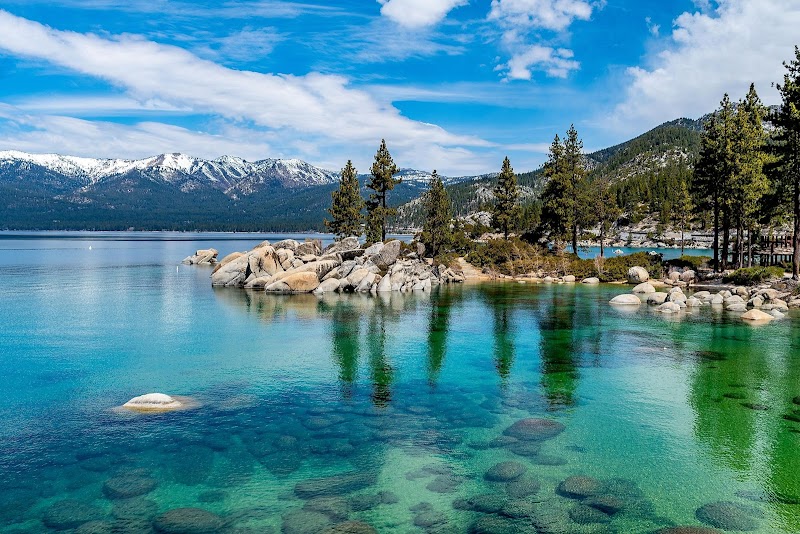
Lake Tahoe’s crystal-clear depths call to the advanced technical diver seeking the thrill of high-oxygen diving. But beneath those serene blue waters, protocols are non-negotiable. High-oxygen mixes require precision, awareness, and respect for physiological limits—dive planning here blends adventure with critical safety.
The dive site terrain pushes forward with steep drop-offs and underwater rock formations daring you to explore carefully. Visibility is often stellar, yet currents near the inlet can shift unpredictably, demanding constant attention to your dive computer and gas management. Oxygen-enriched breathing gases accelerate decompression risk and oxygen toxicity potential, so established safety drills are your lifeline.
Before entry, meticulous planning is essential: confirm maximum operating depths for your oxygen mix—usually no deeper than 30 meters (100 feet) to avoid oxygen toxicity. Pre-dive checks should include verifying gas mix accuracy, reviewing emergency ascent procedures, and designating a dive buddy with matched technical skills. Proper hydration reduces risk of decompression sickness, as the cold Tahoe waters push your body’s systems.
During the dive, maintain controlled breathing and monitor partial pressure of oxygen (ppo2) vigilantly. Use a dive computer or SpO2 sensors to track your exposure and prevent exceeding recommended limits. If you feel disoriented or any signs of oxygen toxicity (e.g., visual disturbances, nausea), initiate a controlled ascent immediately.
Post-dive protocols are equally important; allow adequate surface intervals to off-gas nitrogen safely. Advanced technical divers often carry a decompression gas—usually a lower oxygen mix—to mitigate inert gas buildup during ascent. Nearby dive shops in Tahoe City offer gas blends and dive planning resources tailored for these conditions.
A high-oxygen technical dive here is engagement with a waterbody fiercely itself—beautiful, clear, and exacting. Respecting these safety protocols transforms this demanding experience into a deeply satisfying achievement. Whether you’re a seasoned tech diver or upgrading your skills, Lake Tahoe’s underwater realm rewards diligence with stunning exploration few places can match.
Nearby Trips
All Adventures
Boat Charters
Water Activities
Adventures near Tahoe City
Discover the unique and memorable adventures that make Tahoe City special.
Frequently Asked Questions
Why are high-oxygen gas mixes used in technical dives at Lake Tahoe?
High-oxygen mixes shorten decompression times by facilitating faster inert gas elimination. However, oxygen toxicity risks necessitate strict depth and exposure limits, making precise monitoring crucial.
What protection is needed from the cold water in Lake Tahoe?
Despite summer warmth at the surface, water temperatures around 4–10°C (39–50°F) below 20 meters require insulated dry suits combined with thick undergarments.
Are there emergency facilities near the dive sites?
Tahoe City has dive shops equipped for emergencies and technical support, including oxygen administration kits and access to hyperbaric chambers within an hour's drive.
How can I manage oxygen toxicity risk during technical dives here?
Stay within established partial pressure limits (typically ≤1.4 ATA), use dive computers that monitor PPO2, follow conservative bottom times, and look out for neurological symptoms during dives.
What kind of marine life might a diver expect around Lake Tahoe?
While aquatic life is limited compared to oceans, divers can spot native trout, freshwater shrimp, and occasionally large kokanee salmon swimming near the rock formations.
Is there a best entry point for technical dives in Tahoe?
The West Shore near Rubicon Bay offers controlled access, reliable parking, and proximity to steep underwater walls favored by technical divers.
Recommended Gear
Technical Dive Computer with PPO2 Monitoring
Critical for tracking oxygen exposure and decompression status accurately to avoid toxicity and decompression sickness.
Dry Suit with Thermal Undergarments
Keeps the diver insulated in Tahoe’s cold waters, maintaining core temperature on longer dives.
Oxygen Gas Analyzer
Used pre-dive to confirm oxygen percentages in gas tanks; prevents dangerous mixtures.
Multiple Stage Regulators and Redundant Gas Supplies
Ensures continuous breathing gas supply throughout multiple decompression stages.
Local Insights
Hidden Gems
- "The Sunken Forest – Submerged pine trees left by rising lake levels give eerie and photogenic underwater landscapes."
- "Emerald Bay’s underwater caves – Accessible to only skilled tech divers, these cavities offer dramatic exploration challenges."
Wildlife
- "Tahoe sucker fish"
- "Bald eagles occasionally hunt above the water"
- "Freshwater crayfish that scurry along bottom crevices"
History
"Lake Tahoe’s underwater terrain once served as critical fishing grounds for the Washoe tribe, their presence echoed in submerged campsites and artifacts discovered by divers."